Scleral Contact Lenses
Scleral Lenses Offering Clear Vision and Ultimate Comfort for a Wide Range of Eye Conditions
Scleral Contact Lenses
Our Most Recommended Treatment Method
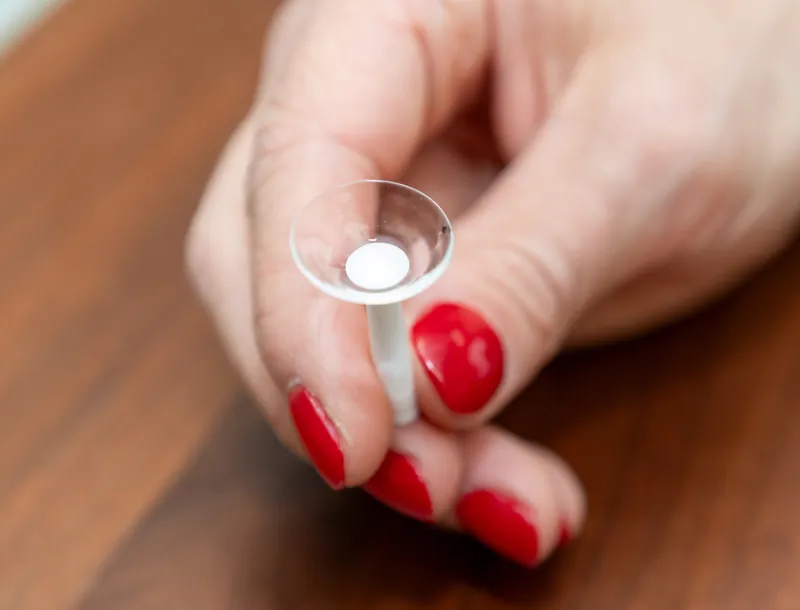
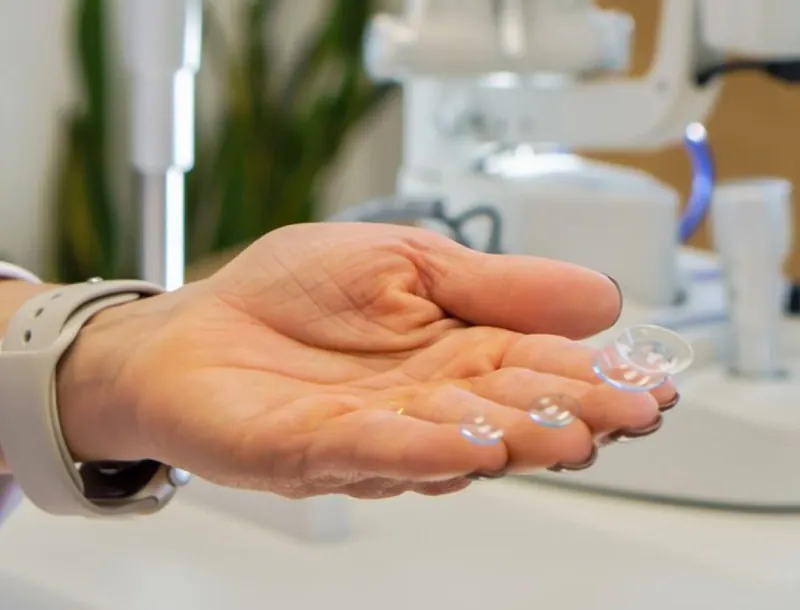
The majority of patients who come to the Charlotte Contact Lens Institute are unable to see well with traditional soft contact lenses, standard spectacles, or conventional diagnostic lenses. For patients who require specialty contact lenses to achieve their best possible visual potential, scleral contact lenses are typically recommended due to their extraordinary adaptability, inherent vaulting design over the sensitive cornea, and extreme customization potential.
It should be noted that some patients are accustomed to wearing a different type of lens, such as a traditional corneal gas permeable (GP) lens. In these situations, our doctors support the patient’s desire to continue using that modality assuming there isn’t a clinically serious reason to switch. However, most often patients requiring specialty contact lenses seek the result that will deliver the absolute best outcome for their vision and ocular surface health. For these patients, our doctors consistently recommend custom scleral lenses due to their superior optical stability, sustained hydration, and custom-engineered fit.
If you have questions on scleral lenses, we can be reached at (704) 800-5230 or hello@charlottecontactlens.com. More clinical details on custom scleral lenses are highlighted below.
Scleral Lens Specialists in North & South Carolina
Why the Charlotte Contact Lens Institute for Scleral Lenses?
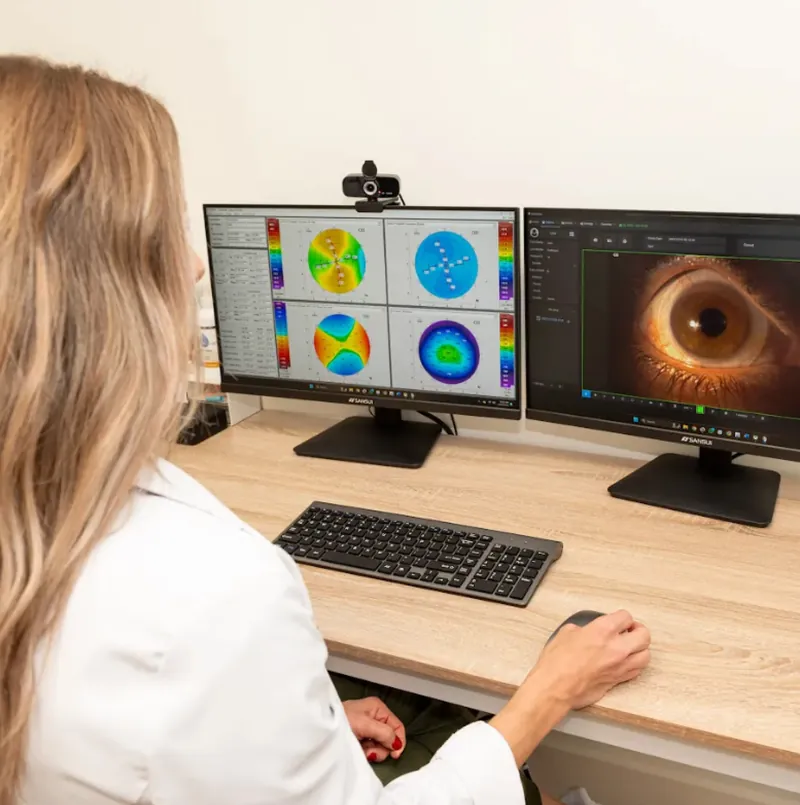
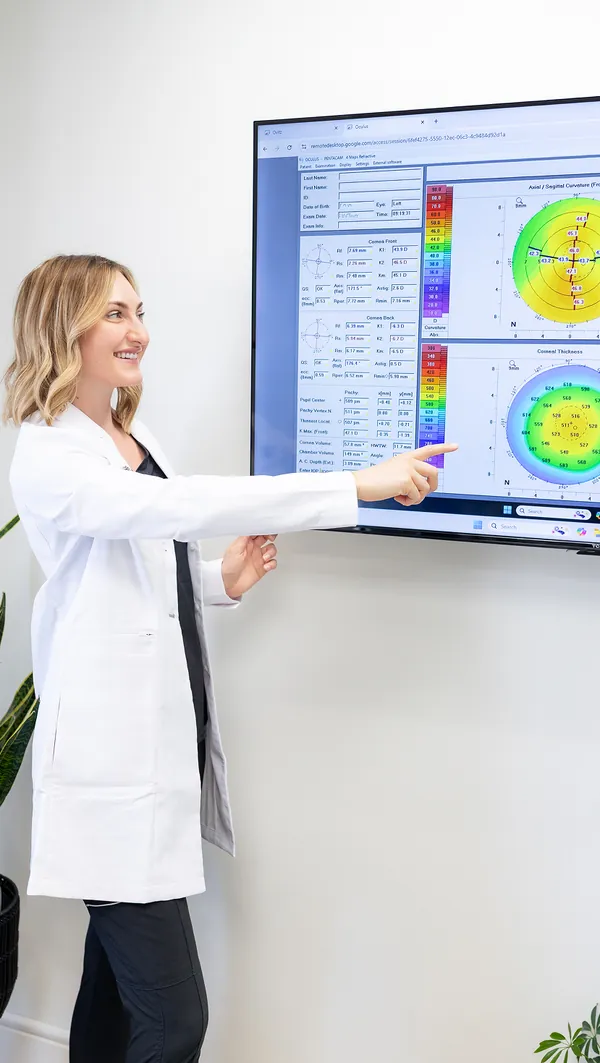
The Ultimate Technology for Scleral Lenses
This device collects up to 240,000 unique data points across the cornea and sclera, and these 240,000 data points are used to design a truly custom scleral lens that is specific to each patient's eyes. For this reason, each scleral contact lens is engineered uniquely for each patient, delivering the sharpest and most comfortable visual outcome possible.
Are Scleral Lenses Comfortable?
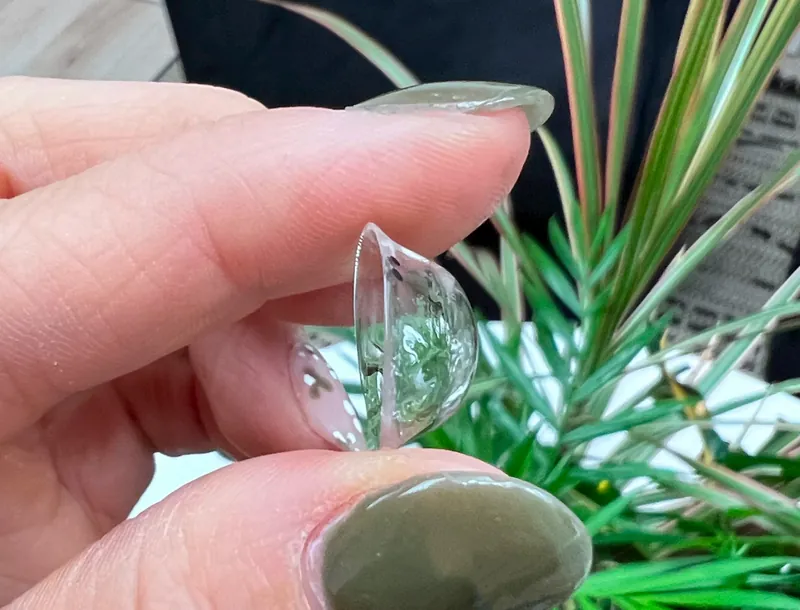
Because of this vaulting design, scleral lenses are remarkably comfortable—often significantly more comfortable than standard corneal gas-permeable lenses. Unlike traditional contact lenses that sit directly on the cornea, scleral lenses extend to the sclera's outer edges. If a scleral lens feels uncomfortable, either the landing zone profile needs precise micro-adjustment or the patient may have underlying dry eye syndrome, which our doctors diagnose and treat collaboratively.
Benefits of Scleral Contact Lenses
- Stability and Comfort: Scleral lenses offer an exceptionally stable fit, eliminating lens movement on the eye and dramatically enhancing all-day comfort.
- Corneal Protection: Scleral contact lenses provide a continuous protective barrier, shielding the fragile corneal epithelium from environmental irritants, lid friction, and mechanical trauma.
- Superior Visual Correction: Scleral lenses are extraordinarily effective at correcting complex irregular astigmatism, high refractive errors, and corneal irregularities, restoring crisp, sharp vision.
- Continuous Dry Eye Hydration: The fluid reservoir between the lens and cornea continuously bathes the ocular surface in sterile, preservative-free saline throughout wear.
- Versatility: Scleral lenses can be customized to virtually any ocular surface asymmetry, offering transformative visual solutions for eyes considered difficult to fit.
Method #1 for Fitting Scleral Lenses – Using a “Fit Set”
A fit set is comprised of 12 to 40 standard, prefabricated scleral lenses provided by lens manufacturers, which serve as a rough starting template. An eye doctor selects a lens close to the patient's estimated eye shape, places it on the eye, and assesses the fit visually with sodium fluorescein under a slit lamp. Modifications are estimated based on these observations.
While effective for straightforward cases, traditional fit sets frequently require multiple trial-and-error visits, remakes, and prolonged fitting timelines. Standard rotationally symmetric or toric diagnostic sets often fall short in complex or highly asymmetrical eyes compared to true freeform lens designs.
Method #2 for Fitting Scleral Lenses – Using the Pentacam AXL Wave
The Pentacam AXL Wave captures up to 240,000 discrete elevation data points across the cornea, limbus, and anterior sclera. Our doctors utilize this dense 3D elevation map to engineer a 100% custom, freeform scleral lens matched precisely to the unique elevation contours of your eye. This eliminates trial-and-error guesswork, drastically reduces necessary follow-up visits, and typically achieves a finalized, highly optimized lens within just 2 to 3 appointments.
Applications for Scleral Contact Lenses
Scleral contact lenses are versatile, medical-grade optical devices beneficial for a comprehensive spectrum of vision and ocular surface conditions, including:
- Keratoconus: Providing smooth optical correction and vaulting over progressive corneal steepening and thinning. Learn more about Keratoconus
- Irregular Astigmatism: Replacing asymmetric corneal refraction with a perfectly spherical or custom wavefront optical front surface. Learn more about Irregular Astigmatism
- Dry Eye Syndrome: Maintaining a therapeutic fluid reservoir that prevents ocular surface desiccation and pain. Learn more about Dry Eye Disease
- Ocular Surface Diseases: Providing vital epithelial healing and shielding for conditions such as Graft-Versus-Host Disease (GVHD), Sjögren’s Syndrome, and Stevens-Johnson Syndrome (SJS).
- Post-Corneal Transplant (PK & DALK): Vaulting over delicate surgical graft junctions and donor mismatches without mechanical graft contact. Learn more about Corneal Transplants
- High Refractive Errors: Correcting extreme myopia, hyperopia, and astigmatism that exceed the optical capabilities of conventional soft contacts or spectacles.
- Post-Refractive Surgery Complications: Rehabilitating distorted vision, ectasia, and diurnal fluctuations following LASIK/PRK ectasia or Radial Keratotomy (RK).
- Photophobia & Light Sensitivity: Protecting eyes sensitive to glare and light resulting from ocular injury, migraines, or severe ocular surface disease. Learn more about Photophobia
- Corneal Trauma & Scarring: Shielding traumatic lacerations, stromal dystrophies, and post-infectious corneal scars during and after rehabilitation. Learn more about Ocular Trauma
- Complex Prescriptions: Neutralizing higher-order aberrations, monocular diplopia, and ghosting where conventional glasses fail. Learn more about Double Vision
- Sports & Active Lifestyles: Providing stable, non-dislodging visual performance during athletics and outdoor activities where wind or dust would dislodge standard lenses.
- Cosmetic & Prosthetic Reconstruction: Masking corneal opacities, aniridia, or coloboma while restoring functional vision. Learn more about Prosthetic Lenses
Disadvantages of Sclerals
While scleral lenses offer life-changing benefits, it is essential to consider both advantages and practical limitations. Our doctors discuss every aspect transparently during your evaluation:
- Investment Cost: Scleral lenses require higher initial investment than disposable soft contacts due to specialized materials, sub-micron diagnostic instrumentation, and dedicated fitting expertise.
- Specialized Fitting Process: Custom scleral fitting requires dedicated instrumentation and fellowship-trained expertise. While traditional methods take numerous visits, our 240,000-point tomography usually finalizes your design in 2 to 3 appointments.
- Practitioner Availability: True scleral lens specialists with advanced elevation tomography and anterior segment OCT are rare. Patients routinely travel from across the Carolinas and neighboring states to our Matthews clinic.
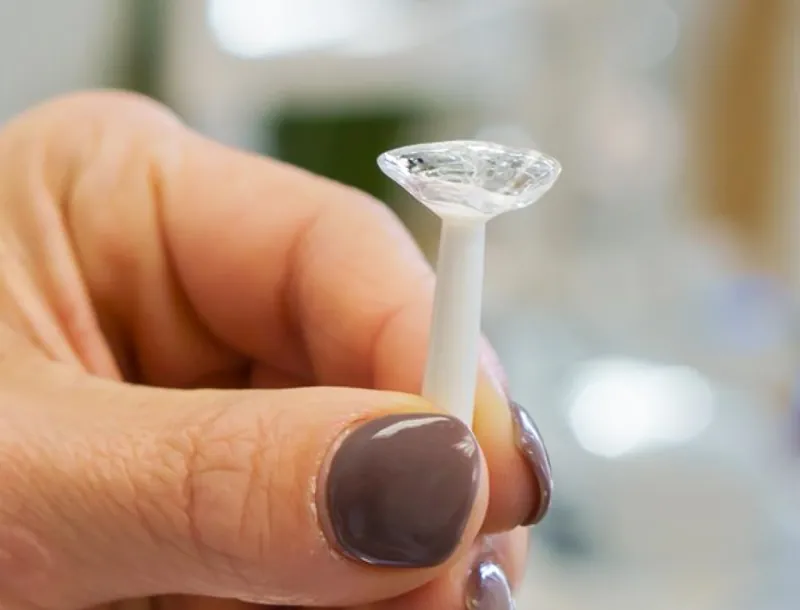
- Initial Insertion & Removal Learning Curve: Patients new to scleral lenses require one-on-one training with specialized insertion stands, DMV plungers, and preservative-free saline. Our clinical team provides comprehensive, unhurried patient training until insertion and removal become second nature.
Cost of Sclerals
While individual clinical requirements vary, an initial comprehensive scleral lens fitting package typically ranges between $3,000 and $3,900. This comprehensive package includes your in-depth 1.5 to 2-hour initial evaluation with the doctor, all precision diagnostic scans, necessary iterative design adjustments, a finalized custom pair (2 lenses), and all follow-up visits throughout the fitting warranty period.
In addition to a paid-in-full option, The Charlotte Contact Lens Institute offers an affordable monthly payment plan that divides treatment into manageable payments of approximately $190 to $280 per month. We also accept CareCredit®, Cherry™ promotional financing, and Health Savings Accounts (HSA) / Flexible Spending Accounts (FSA).
If you have questions regarding your specific insurance coverage or medical necessity benefits, we offer a complimentary phone consultation at (704) 800-5230 or via email at hello@charlottecontactlens.com.
Why the Charlotte Contact Lens Institute for Scleral Contact Lenses?
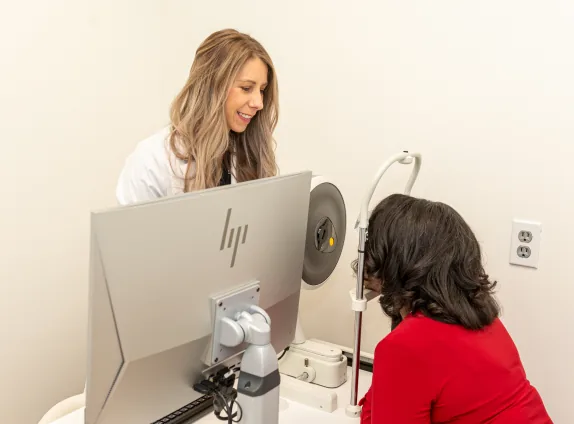
The Team
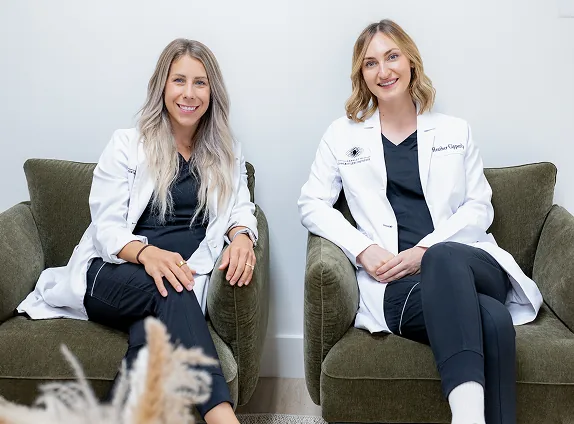
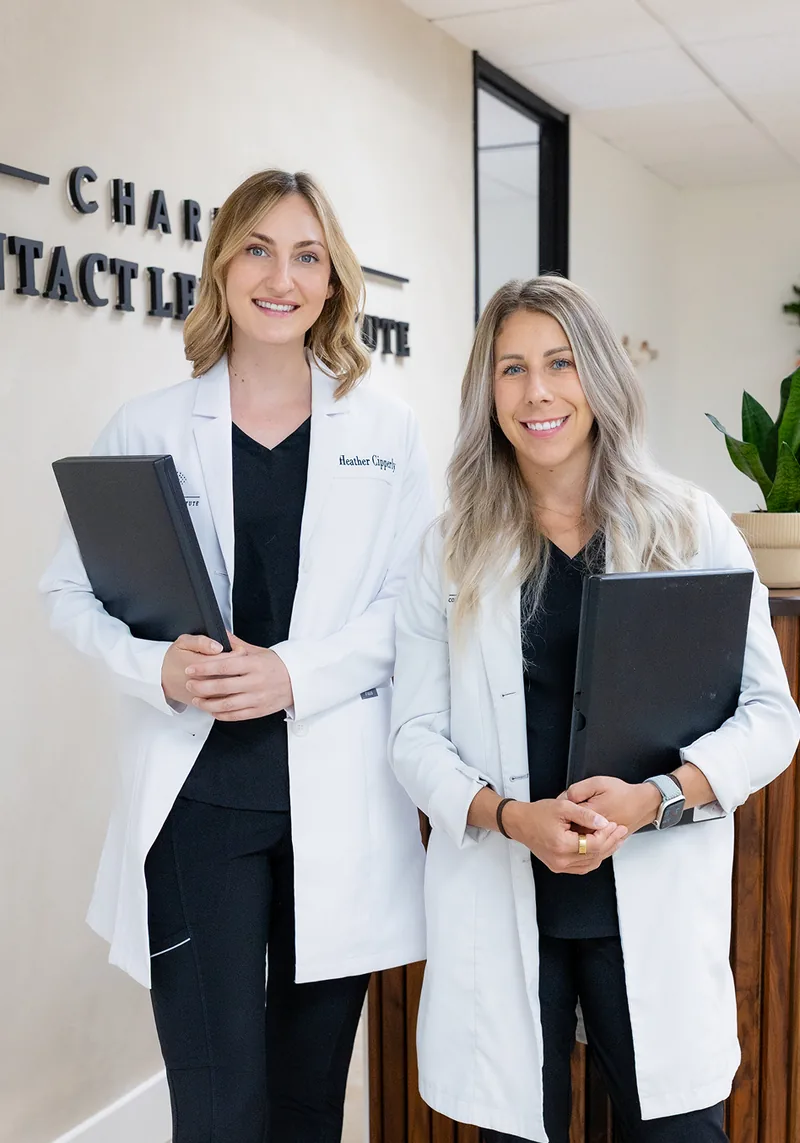
The team at the Charlotte Contact Lens Institute are experts in fitting scleral contact lenses. Our fellowship-trained doctors lecture nationally on specialty lens fitting protocols.
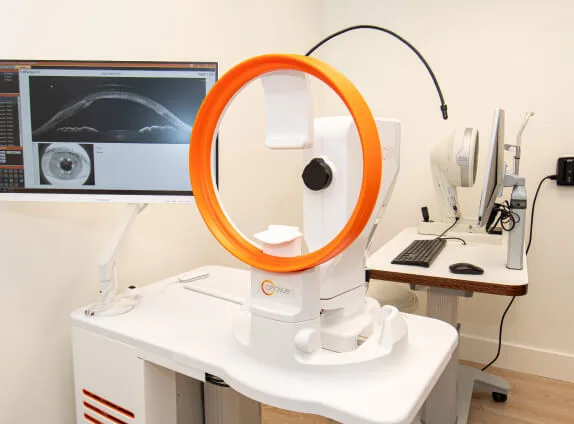
Advanced Technology
Our office is one of a few practices in the country equipped with the Oculus Pentacam AXL Wave and Optovue Solix OCT, capturing up to 240,000 discrete points for sub-micron accuracy.
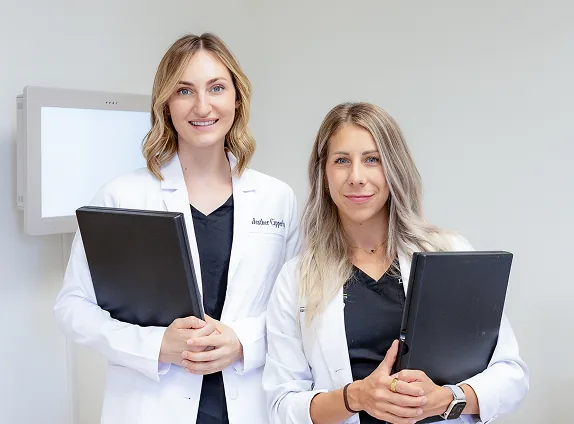
Unlimited Answers
We allow for enough time for thorough comprehensive exams, and plenty of time for answering questions. No rushing in and out here.
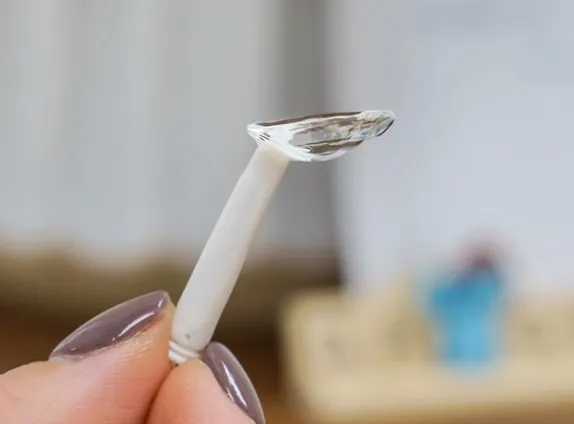
Specializing in Custom Sclerals
We do not offer traditional eye exams for “normal” eyes. Instead, a large percentage of our patients seek advanced, highly customized scleral contact lens solutions.
Access to the Doctor
Our doctors are directly available to answer questions you have after your exam, making sure you have the support and guidance needed for the best possible visual outcome.
Affordability
We keep our overhead costs low and offer very competitive prices. We have monthly payment options available (~$190-$280/mo) and accept Cherry™, CareCredit, HSA, and FSA.
Summary
Scleral contact lenses are a major focus of our practice, and our doctors are nationally recognized for their expertise in the most current research and effective fitting methods for specialty contact lenses. Our doctors regularly present at both local and national ophthalmology and optometry conferences, sharing groundbreaking research and modern fitting protocols.
Additionally, Dr. Ariel Cerenzie has been honored with the distinction of Fellow of the Scleral Lens Education Society (FSLS), bestowed exclusively upon advanced practitioners who demonstrate clinical mastery and peer-reviewed case submission. In fact, there are currently only approximately 300 active Fellows of this elite group worldwide.
During your initial comprehensive evaluation, our doctors thoroughly discuss all viable treatment options—including customized scleral lenses, wavefront-guided optics, and impression-based designs. One of the distinct benefits of visiting The Charlotte Contact Lens Institute is the generous amount of 100% one-on-one time with your doctor, ensuring all questions are answered and your visual outcomes are maximized.
If you have questions on scleral contact lenses or would like to discuss whether you are a candidate, our clinical team can be reached at (704) 800-5230 or hello@charlottecontactlens.com.

Scleral Lens Gallery