Improving Vision in "Difficult to Fit" Eyes
Most patients seen at the Charlotte Contact Lens Institute have what other eye care practices call “difficult to fit” eyes. In truth, caring for complex and difficult-to-fit eyes is the very reason our institute was established.
A substantial portion of our patient community is referred directly by optometrists, corneal specialists, and ophthalmologists across North and South Carolina who trust us with their most challenging vision rehabilitation cases.
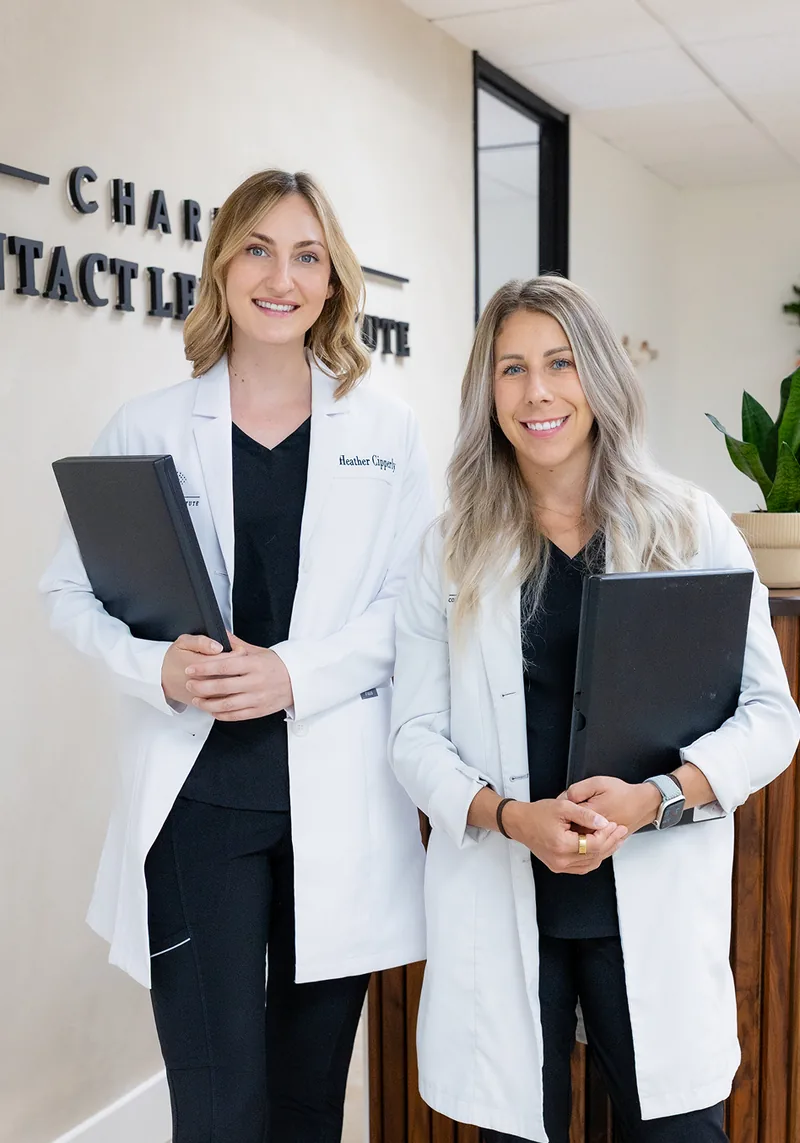
The Charlotte Contact Lens Institute thrives with “difficult to fit” eyes because we allocate the necessary time to fully understand your ocular history, investigate the physiological root causes of visual distortion, and tailor a personalized optical solution.
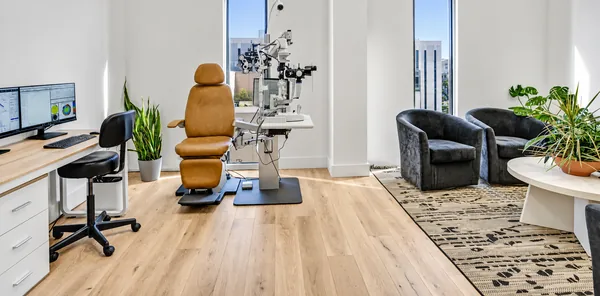
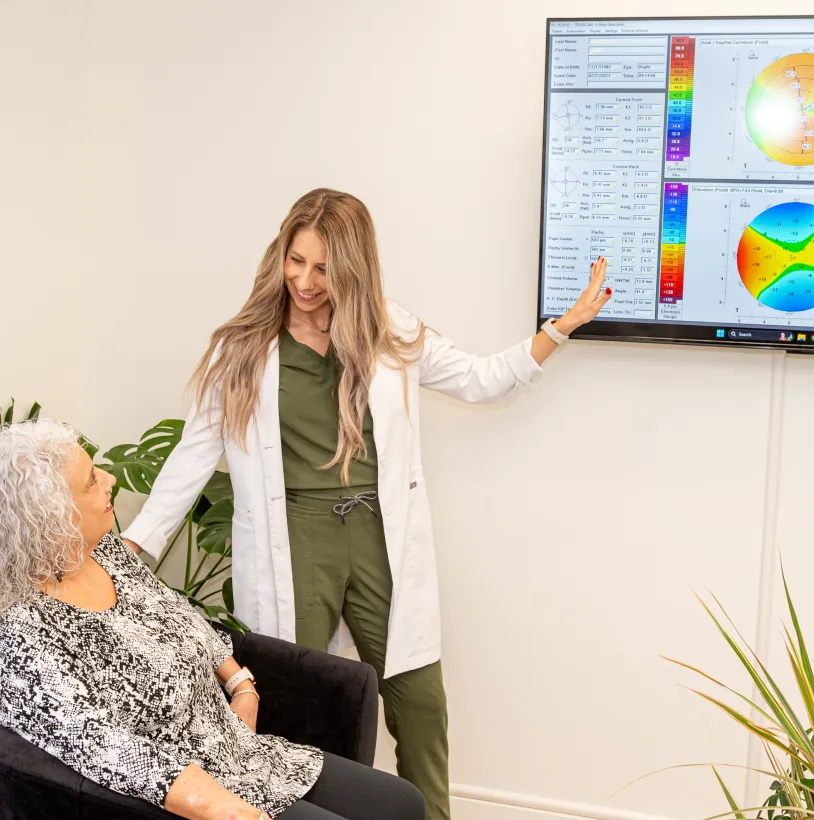
Where else can you receive 1 to 2 hours of dedicated, one-on-one time with your doctor during an initial consultation? In addition to our unhurried approach, our practice is equipped with cutting-edge Scheimpflug tomography and anterior OCT capable of capturing 240,000 individual elevation data points across the cornea and sclera—eliminating guesswork and delivering unparalleled optical precision.

Why Have I Been Told My Eyes are Difficult to Fit?
Sometimes an explicit corneal condition—such as keratoconus or pellucid marginal degeneration—is the obvious reason standard contacts fail. However, more often a patient is categorized as “difficult to fit” because of a compound combination of subtle ocular factors.
For example, you might have moderate dry eye disease that creates chronic friction, paired with slightly steeper-than-normal corneal curvature and mild peripheral scarring from a childhood injury. Individually, these factors might seem minor. Together, they create a biomechanical environment where off-the-shelf soft lenses or standard glasses simply cannot deliver comfortable, sharp vision.
High & Irregular Astigmatism
When the corneal surface is asymmetrical or toric, standard soft lenses rotate unpredictably, causing fluctuating blur, glare, and shadows that glasses cannot fix.
Keratoconus & Corneal Ectasia
Progressive thinning and steepening of the central or inferior cornea create cone-like distortions that require rigid gas permeable or scleral lenses to vault.
Post-Refractive Surgery (LASIK, PRK, RK)
Surgical incisions, flap boundaries, or tissue removal can alter normal corneal mechanics, leaving residual higher-order aberrations and severe dry eye.
Severe Dry Eye & Ocular Surface Disease
Sjögren’s syndrome, graft-versus-host disease (GVHD), or meibomian gland dysfunction make standard lenses intolerable. Scleral lenses bathe the eye in continuous saline.
Atypical Curvatures (Steep or Flat Corneas)
Corneas outside average biological ranges cause mass-produced contacts to pinch, dislodge, or starve corneal tissue of oxygen, requiring custom base curves.
Corneal Scarring, Transplants & Trauma
Previous infections, corneal grafts (PKP, DALK), or physical trauma create localized elevation steps that require sub-micron 3D freeform vaulting.
Why Choose the Charlotte Contact Lens Institute for “Difficult to Fit” Eyes?
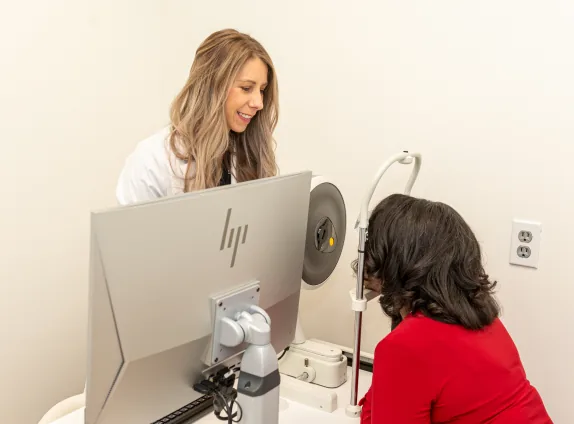
The Team
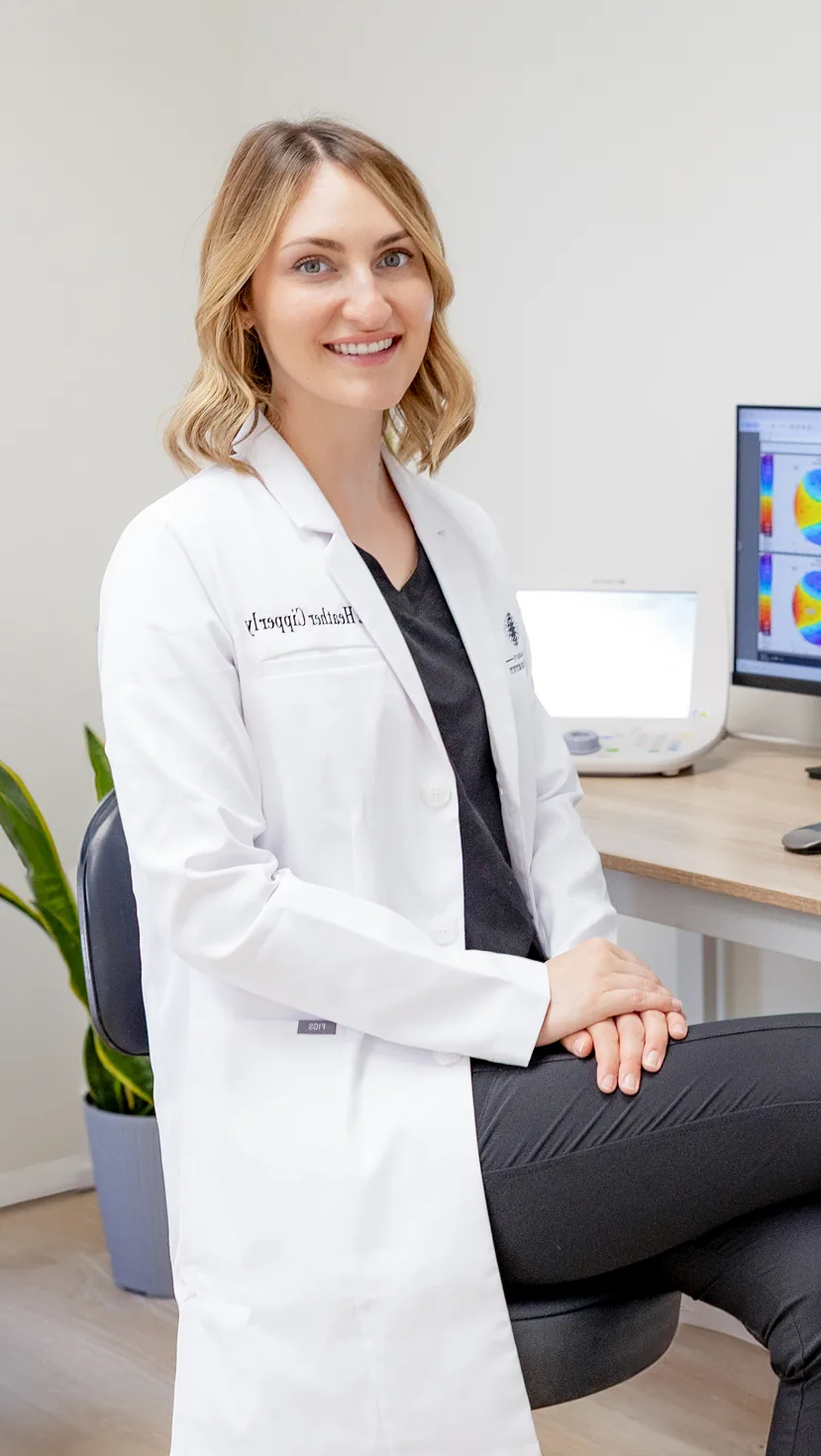
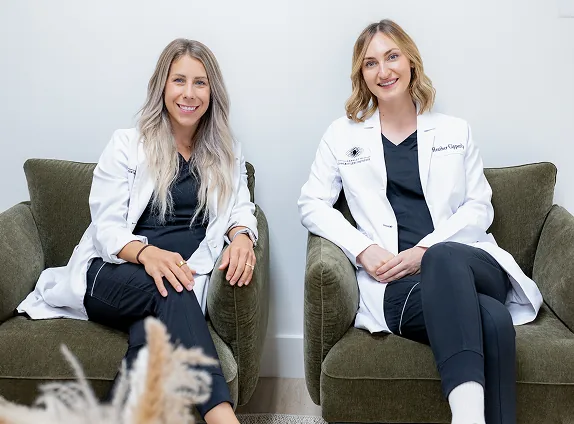
The team at the Charlotte Contact Lens Institute are experts in correcting vision for patients where crisp vision has proven elusive. What others call “difficult to fit” is our everyday patient.
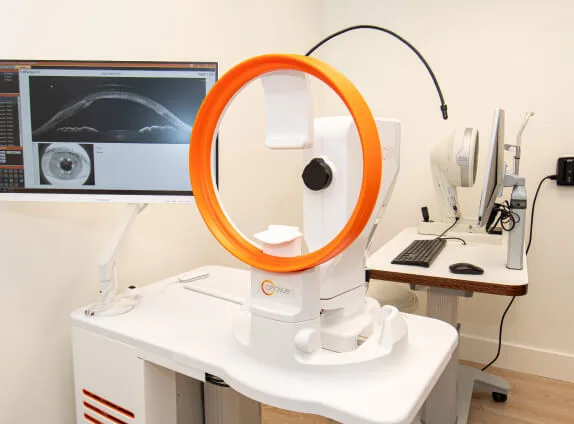
Advanced Technology
Our office is one of a few practices in the country equipped with the Pentacam AXL Wave and Optovue Solix OCT, capturing 240,000 data points to design complex custom specialty contacts.
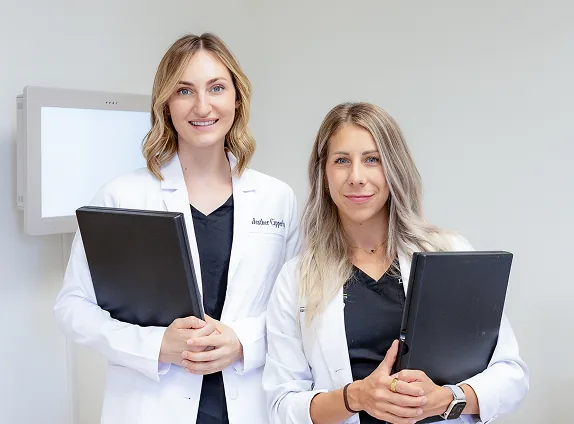
Unlimited Answers
We dedicate 90–120 minutes for initial examinations, providing plenty of time to explore all options, evaluate trial lenses, and answer every question. No rushing here.
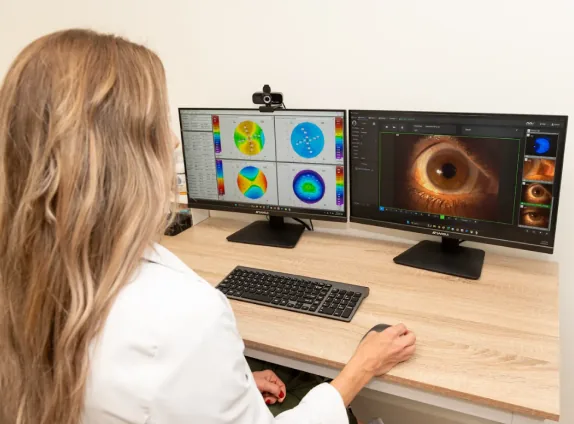
We Focus on Unique Eyes
Our entire practice is purpose-built to provide advanced custom specialty contact lenses to individuals who require tailored, highly engineered vision solutions.
Access to the Doctor
Our doctors are directly accessible to answer questions after your exam, ensuring you have continuous support, reinforcement, and the best possible visual outcome.
Affordability
We keep overhead low and offer transparent, competitive pricing. Flexible monthly payment options are available, and we accept Cherry™ financing, HSA, and FSA.
There Are Always Better Vision Solutions Available
Our doctors have dedicated their careers to the latest scientific applications in specialty contact lenses, regularly presenting research to doctors across the nation. In nearly all situations—even the most complex or previously failed fittings—custom scleral lenses, EyePrintPRO 3D elevation prosthetics, or wavefront-guided optics can restore crisp, stable vision and all-day comfort.
If you have been told your eyes cannot be fit with contacts or that your vision cannot improve further, we encourage you to contact us for a personalized evaluation.