
A New Approach to Sharper Vision for Irregular and Complex Eyes
For patients with irregular corneas or complex vision problems, achieving clear and stable vision can be challenging. Traditional glasses and standard contact lenses often fail to correct subtle optical distortions, leaving patients with glare, halos, or reduced clarity.
Advancements in optical technology are changing this experience. New solutions like ovitz wavefront lenses are helping patients achieve sharper vision by addressing not just basic refractive errors, but also higher-order aberrations that affect visual quality.
- Why Standard Vision Correction Isn’t Always Enough
Most traditional vision correction methods focus on correcting nearsightedness, farsightedness, and astigmatism. However, patients with irregular corneas often experience additional distortions that cannot be corrected with these basic approaches.
These distortions, known as higher-order aberrations, can cause:
- Glare and halos
- Double or ghost images
- Reduced contrast sensitivity
- Difficulty seeing clearly at night
For patients with conditions like keratoconus, post-surgical corneas, or corneal scarring, these visual issues can significantly impact daily life.
- What Makes Wavefront-Guided Technology Different?
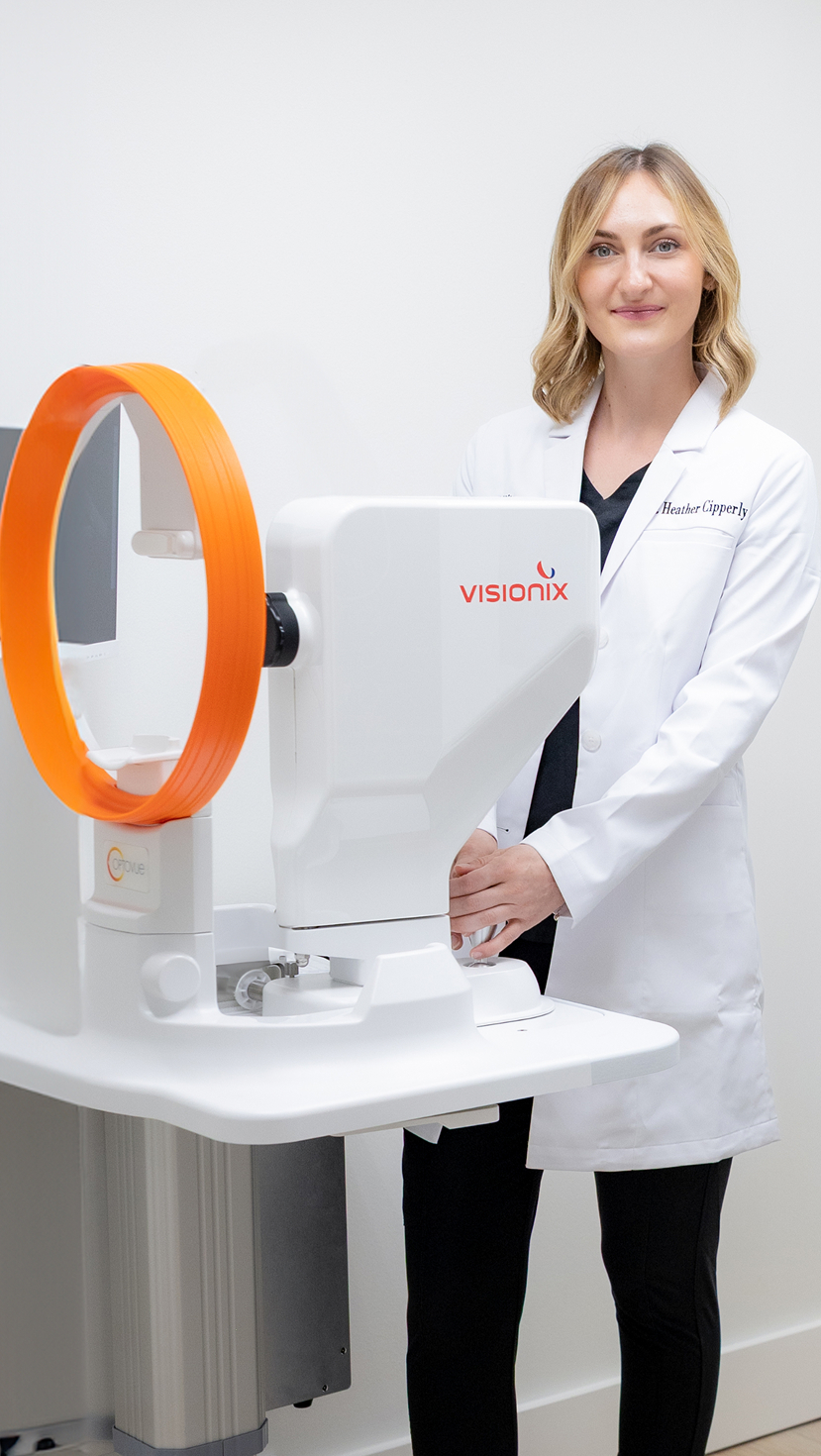
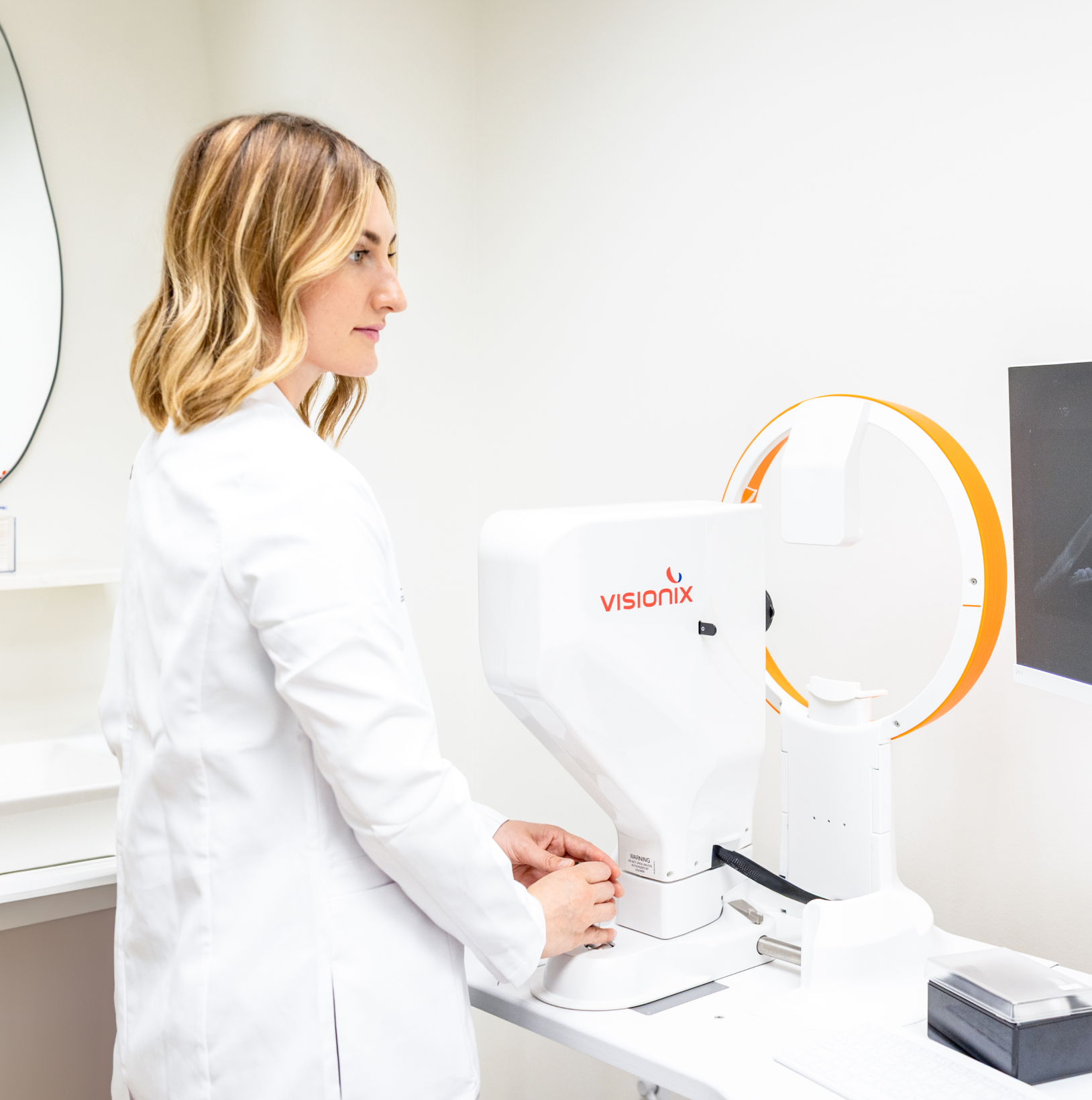
Wavefront-guided technology measures how light travels through the entire optical system of the eye. Instead of only correcting simple refractive errors, it captures detailed imperfections unique to each patient.
Using this data, ovitz wavefront lenses are designed to:
- Correct higher-order aberrations
- Improve overall visual sharpness
- Enhance contrast and clarity
- Reduce visual disturbances like halos and glare
This level of customization allows for a more precise and personalized visual correction compared to conventional lenses.
- Who Can Benefit from This Advanced Approach?
Wavefront-guided lenses are particularly beneficial for patients with:
- Keratoconus
- Post-LASIK or post-surgical vision issues
- Irregular astigmatism
- Corneal trauma or scarring
Patients who feel that their current lenses are not providing optimal clarity may benefit from a more advanced evaluation.
- The Role of Advanced Diagnostics
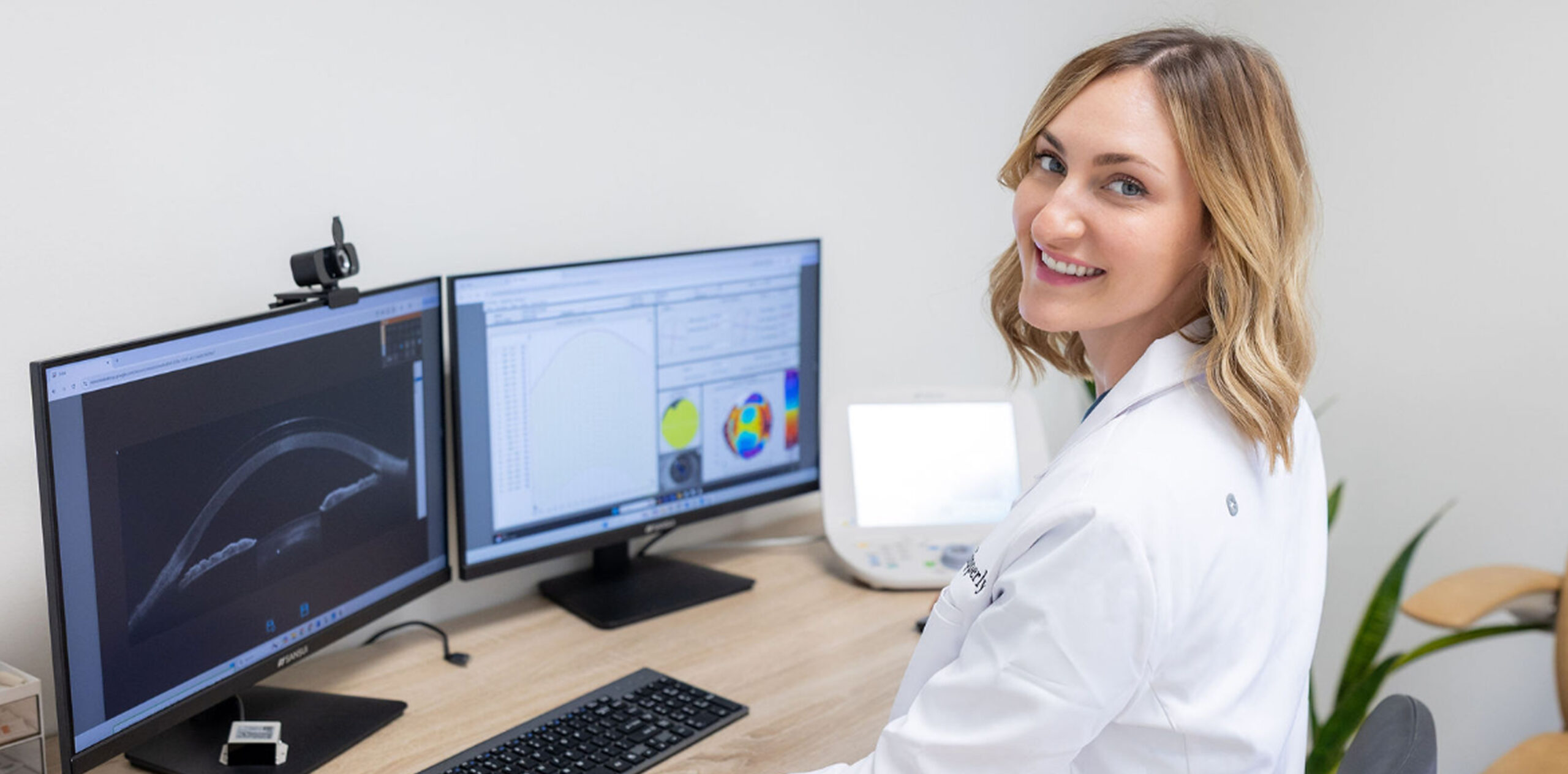
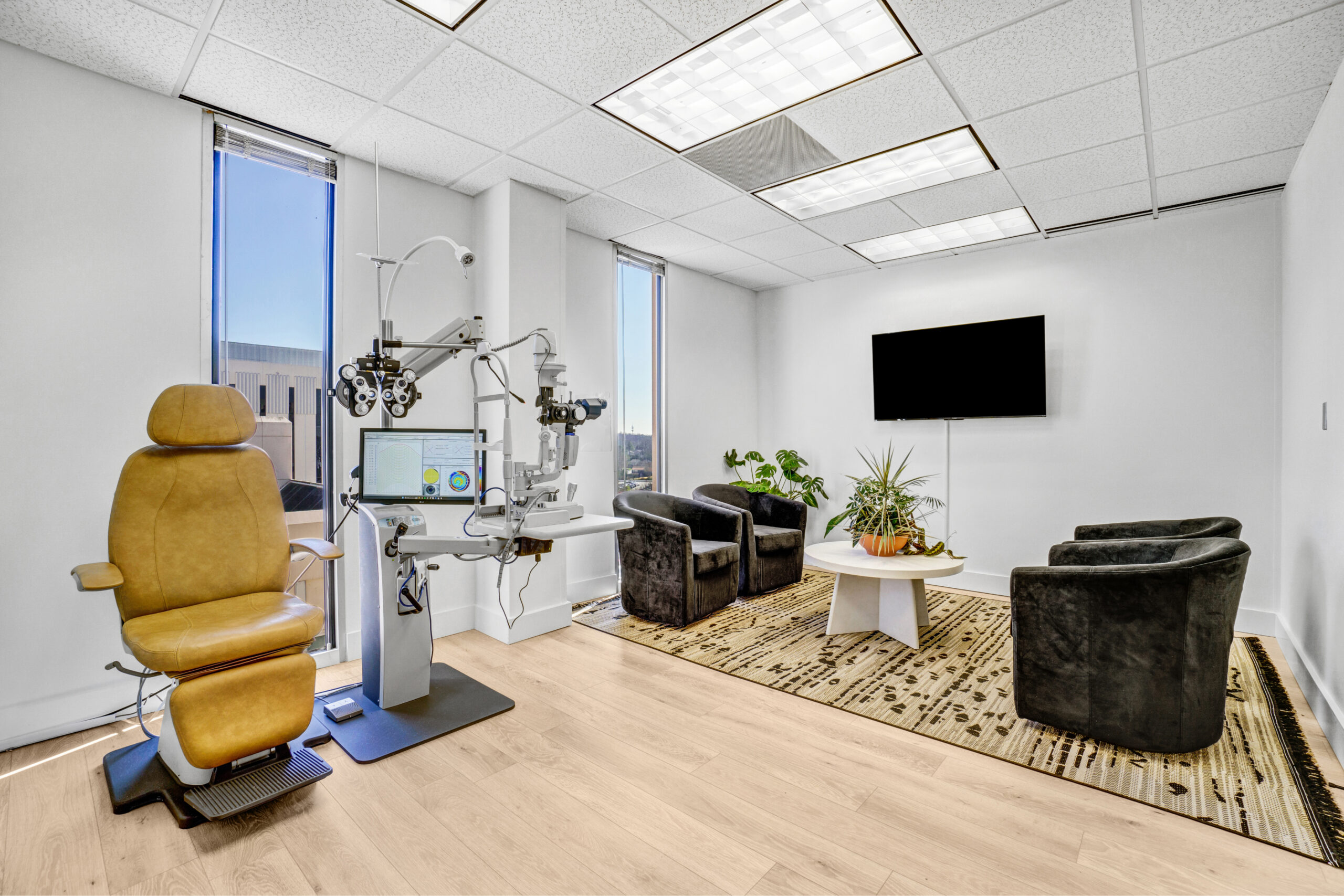
Accurate results depend on high-quality diagnostic data. Advanced imaging systems and wavefront aberrometry are used to map the eye’s unique optical profile.
This detailed information allows practitioners to design lenses that match the patient’s specific needs, improving both vision quality and overall satisfaction.
- A Step Forward in Specialty Contact Lens Care
As technology continues to evolve, personalized eye care is becoming more precise than ever. The integration of wavefront-guided optics into specialty lenses represents a significant step forward for patients who have struggled with traditional correction methods.
With innovations like ovitz wavefront lenses, patients now have access to solutions that go beyond basic vision correction—helping them experience clearer, more stable, and more comfortable vision.
- Frequently Asked Questions
What are ovitz wavefront lenses?
Ovitz wavefront lenses are advanced specialty contact lenses designed using wavefront-guided technology. They correct both standard vision errors and higher-order aberrations to provide sharper and more precise vision.
Who should consider wavefront-guided lenses?
Patients with keratoconus, irregular corneas, post-LASIK complications, or those experiencing glare and halos may benefit from ovitz wavefront lenses, especially if traditional lenses are not providing clear vision.
How are these lenses different from regular contact lenses?
Unlike standard lenses that correct basic refractive errors, ovitz wavefront lenses are customized using detailed optical measurements. This allows them to address complex distortions that affect overall visual quality.
Do wavefront lenses improve night vision?
Yes, many patients report improved night vision because these lenses reduce glare, halos, and light distortion caused by higher-order aberrations.
Is the fitting process more advanced?
Yes. The fitting process involves advanced diagnostic tools such as wavefront aberrometry and detailed corneal mapping to create a highly customized lens design.
Are ovitz wavefront lenses comfortable to wear?
When properly fitted, these lenses are designed to provide both clarity and comfort. Comfort levels are similar to other specialty lenses, depending on the individual’s eye condition.
How long does it take to get these lenses?
The timeline can vary depending on customization and fitting requirements. Because these lenses are highly personalized, it may take longer than standard lenses, but the improved vision quality often makes it worthwhile.