
The Emotional and Visual Benefits of Prosthetic Eye Lenses
Vision challenges can affect much more than eyesight alone. For patients with eye injuries, congenital differences, or visible corneal conditions, the emotional impact can be just as significant as the physical one. Modern prosthetic eye lenses offer a solution that improves not only visual function but also personal confidence and overall quality of life.
Often referred to as prosthetic contact lenses, these custom-designed lenses are created to restore a more natural eye appearance while also addressing light sensitivity, irregular vision, or cosmetic concerns.
- What Are Prosthetic Eye Lenses?
Prosthetic eye lenses are specialty soft or scleral lenses that are carefully painted or tinted to match the natural appearance of the eye. They can:
- Mask corneal scars
- Reduce the appearance of pupil irregularities
- Improve symmetry between both eyes
- Minimize light sensitivity
- Enhance functional vision in certain cases
Unlike purely cosmetic colored contacts, these lenses are medically designed and fitted for both comfort and therapeutic benefit.
- The Visual Benefits
Many patients experience functional improvements beyond aesthetics. Depending on the underlying condition, prosthetic lenses may help by:
- Reducing glare and halos
- Blocking excess light in cases of iris defects
- Improving contrast sensitivity
- Enhancing depth perception
- Creating a more stable visual experience
By controlling how light enters the eye, these lenses can significantly improve daily visual comfort.
- The Emotional and Psychological Impact
For individuals living with visible eye differences, the emotional burden can be substantial. Self-consciousness, social anxiety, and reduced confidence are common concerns.
Custom prosthetic contact lenses are designed to closely match the natural iris color and pattern, often making the treated eye nearly indistinguishable from the other. This aesthetic restoration can:
- Increase self-confidence
- Improve social comfort
- Reduce anxiety in public settings
- Support emotional well-being
For many patients, the psychological benefit is just as meaningful as the visual improvement.
- Who May Benefit From Prosthetic Eye Lenses?
These lenses are often recommended for patients with:
- Corneal scarring
- Traumatic eye injuries
- Congenital iris defects
- Aniridia
- Post-surgical cosmetic irregularities
- Significant light sensitivity
A comprehensive specialty lens consultation is necessary to determine candidacy and create a personalized design.
- Customization and Fitting Process
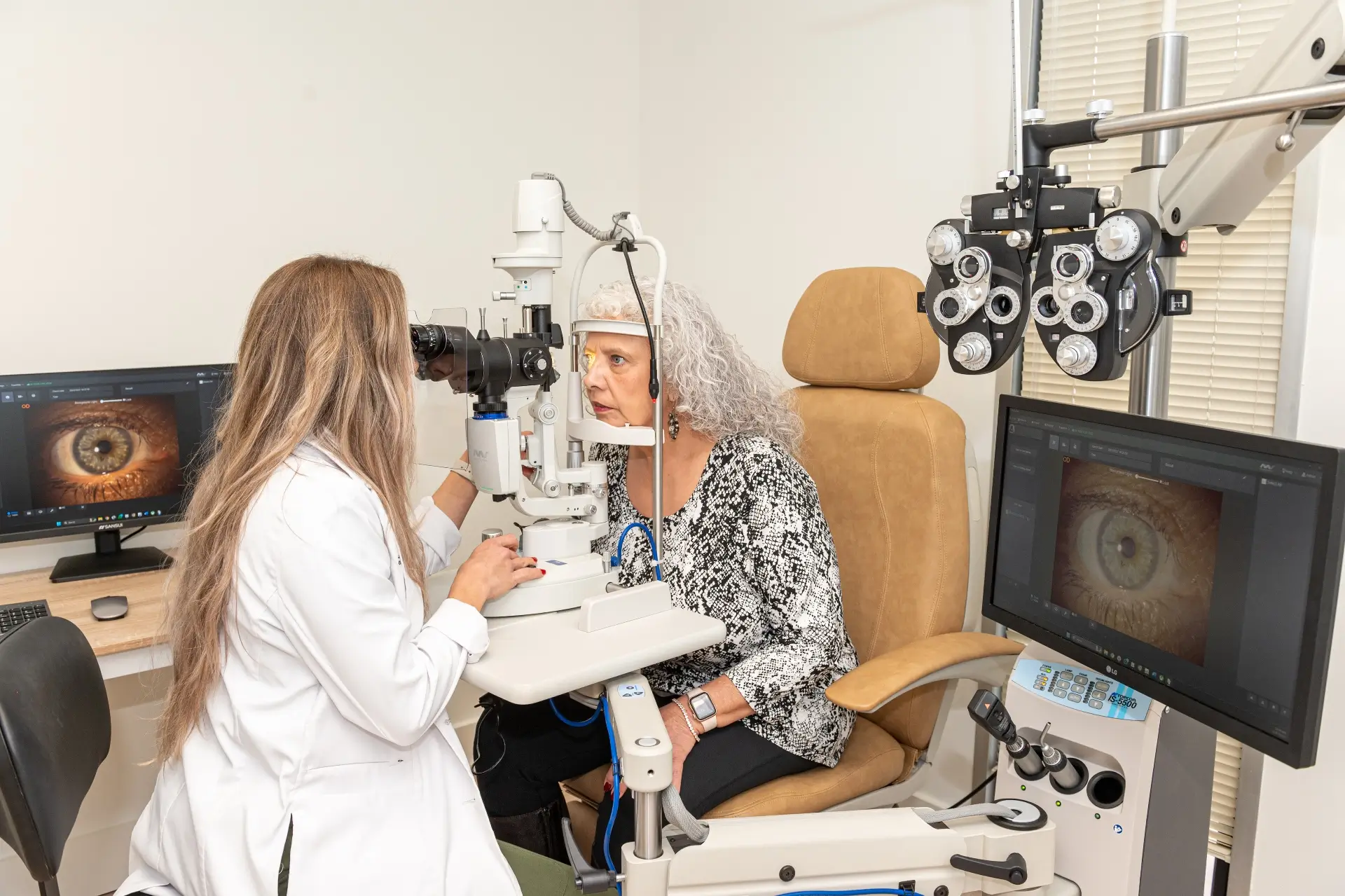
Each prosthetic lens is individually designed using detailed measurements and color matching techniques. The process may involve:
- High-resolution photography
- Iris color analysis
- Custom pupil sizing
- Precise lens fitting
Because the goal is both comfort and cosmetic accuracy, collaboration between patient and provider is essential.
- Restoring More Than Vision
Modern eye care continues to evolve beyond basic vision correction. For patients seeking both cosmetic restoration and functional improvement, prosthetic eye lenses represent a powerful combination of medical precision and artistic design.
By addressing both emotional and visual concerns, these lenses can help individuals feel more confident, comfortable, and secure in their daily lives.
- Frequently Asked Questions
What are prosthetic eye lenses?
Prosthetic eye lenses are custom-designed contact lenses created to improve the appearance of an eye affected by injury, congenital conditions, scarring, or disease. They can restore a natural look while sometimes improving light sensitivity and visual comfort.
How are prosthetic contact lenses different from regular colored contacts?
Unlike cosmetic colored lenses, prosthetic contact lenses are medically customized. They are designed to match the patient’s natural iris pattern, pupil size, and scleral shade for a realistic appearance and may also serve therapeutic functions.
Can prosthetic lenses improve vision?
In some cases, yes. While many patients use them for cosmetic restoration, these lenses can also help reduce glare, manage irregular pupils, improve contrast sensitivity, and provide functional visual support depending on the condition.
Who is a good candidate for prosthetic eye lenses?
Patients with traumatic eye injuries, iris defects, albinism, corneal scarring, or significant cosmetic asymmetry may benefit. A comprehensive evaluation by a specialty eye care provider determines suitability.
Are prosthetic eye lenses comfortable to wear?
When properly fitted by an experienced specialist, they are designed for comfort. Because they are custom-made, the fit is typically more precise than standard soft lenses.
How long do prosthetic contact lenses last?
With proper care, these lenses can last several years. However, replacement may be needed over time due to prescription changes, wear, or changes in eye health.
Are prosthetic lenses covered by insurance?
Insurance coverage varies. Since they are often prescribed for medical or reconstructive reasons, some medical plans may provide partial reimbursement. Patients should verify benefits with their provider.