
Why Some Patients Need Specialty Lenses Even Years After LASIK
LASIK has helped millions achieve clearer vision without glasses—but for some patients, visual clarity changes again years later.
Even long after the initial success of LASIK, certain individuals begin experiencing distortions, glare, or problems that glasses cannot fix.
At the Charlotte Contact Lens Institute, we specialize in helping patients who struggle with post-LASIK complications using advanced specialty contact lenses tailored to their corneal shape.
- Why Vision Can Decline Years After LASIK
LASIK reshapes the cornea permanently, but the eye continues to age and change. Over time, some people experience:
- 1. Corneal Instability or Post-LASIK Ectasia
The cornea may gradually weaken and bulge (similar to keratoconus), causing:
- Irregular astigmatism
- Blurry or distorted vision
- Increased glare and halos
- Difficulty with night driving
- 2. Natural Aging of the Cornea
Even with a successful LASIK procedure, corneal shape can change with age, leading to:
- Reduced focusing ability
- Irregular curvature
- Decreased quality of vision
- 3. Dry Eye Worsening With Age
LASIK can slightly reduce tear production for some individuals.
Years later, dryness may worsen and cause:
- Fluctuating vision
- Burning or discomfort
- Poor tolerance to glasses or soft lenses
- 4. Regression
In some patients, the eye partially returns toward its original prescription, creating:
- Blurry distance vision
- Mild to moderate astigmatism
- Inconsistent clarity
- Why Specialty Contact Lenses Are Needed
When glasses or soft contact lenses fail to solve post-LASIK vision problems, specialty lenses can restore clarity by creating a smooth, stable optical surface.
- How Specialty Lenses Help Post-LASIK Patients
- Scleral Lenses
These large-diameter lenses vault over the irregular cornea, offering:
- Stable vision
- Built-in hydration layer
- Reduced glare and halo
- Exceptional comfort
- EyePrintPRO
For highly irregular eyes, EyePrintPRO uses an impression mold of the entire eye surface.
Best for:
- Post-LASIK ectasia
- Severe irregularities
- Scleral lenses dry eye cases
- Poor fit with standard scleral lenses
- Custom Wavefront Lenses
Correct higher-order aberrations often caused by LASIK-induced corneal irregularity.
- Who Needs Specialty Lenses After LASIK?
You may benefit from a specialty lens evaluation if you notice:
- Increasing glare or halos
- Double or ghost images
- Distorted or fluctuating vision
- Poor night-driving vision
- Dryness that affects clarity
- Reduced quality of vision despite normal eye health
- Trouble wearing soft lenses
Our clinic in Charlotte, NC sees many patients 5, 10, or even 20 years after LASIK who need customized lenses to restore functional vision.
- How We Evaluate Post-LASIK Patients
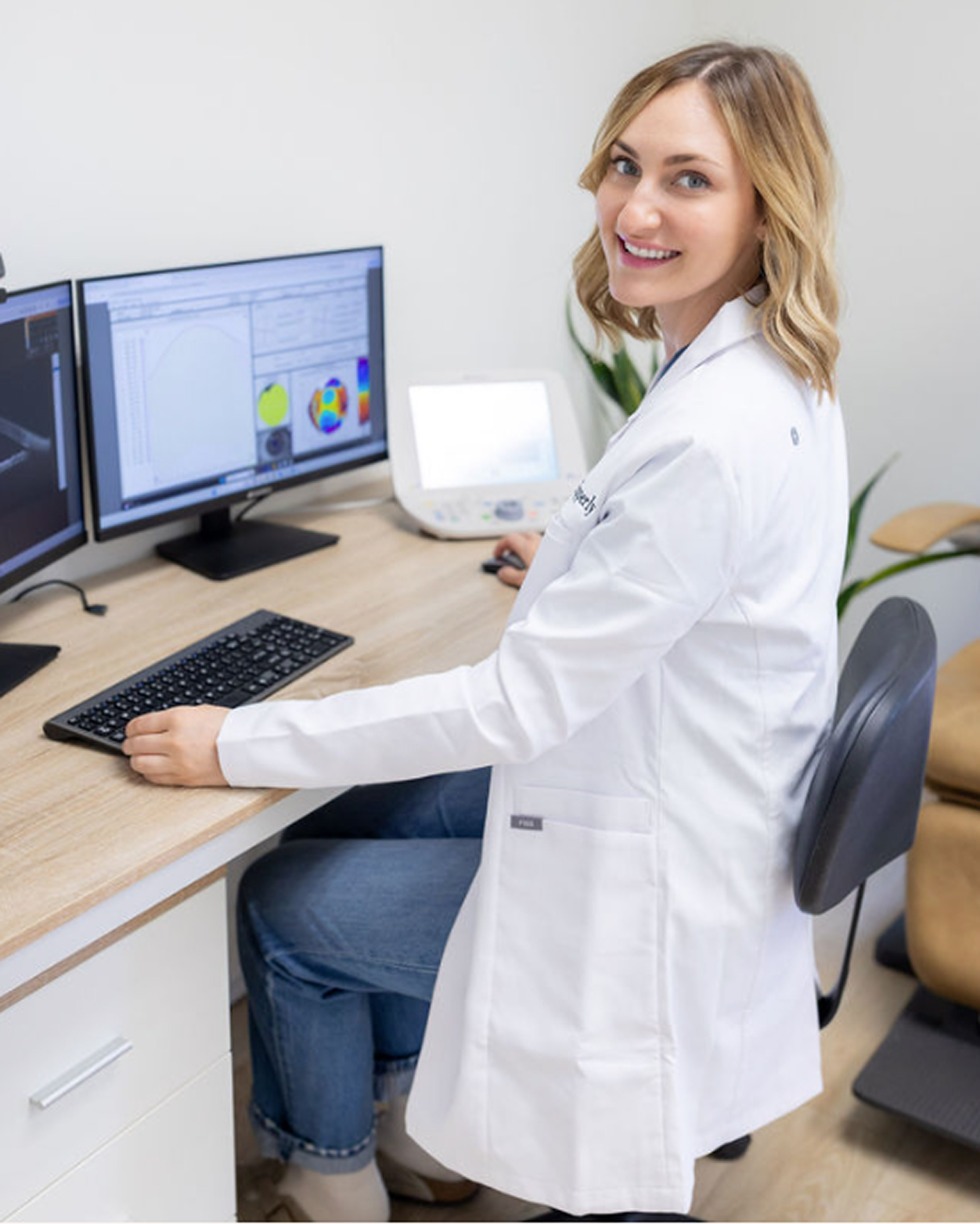
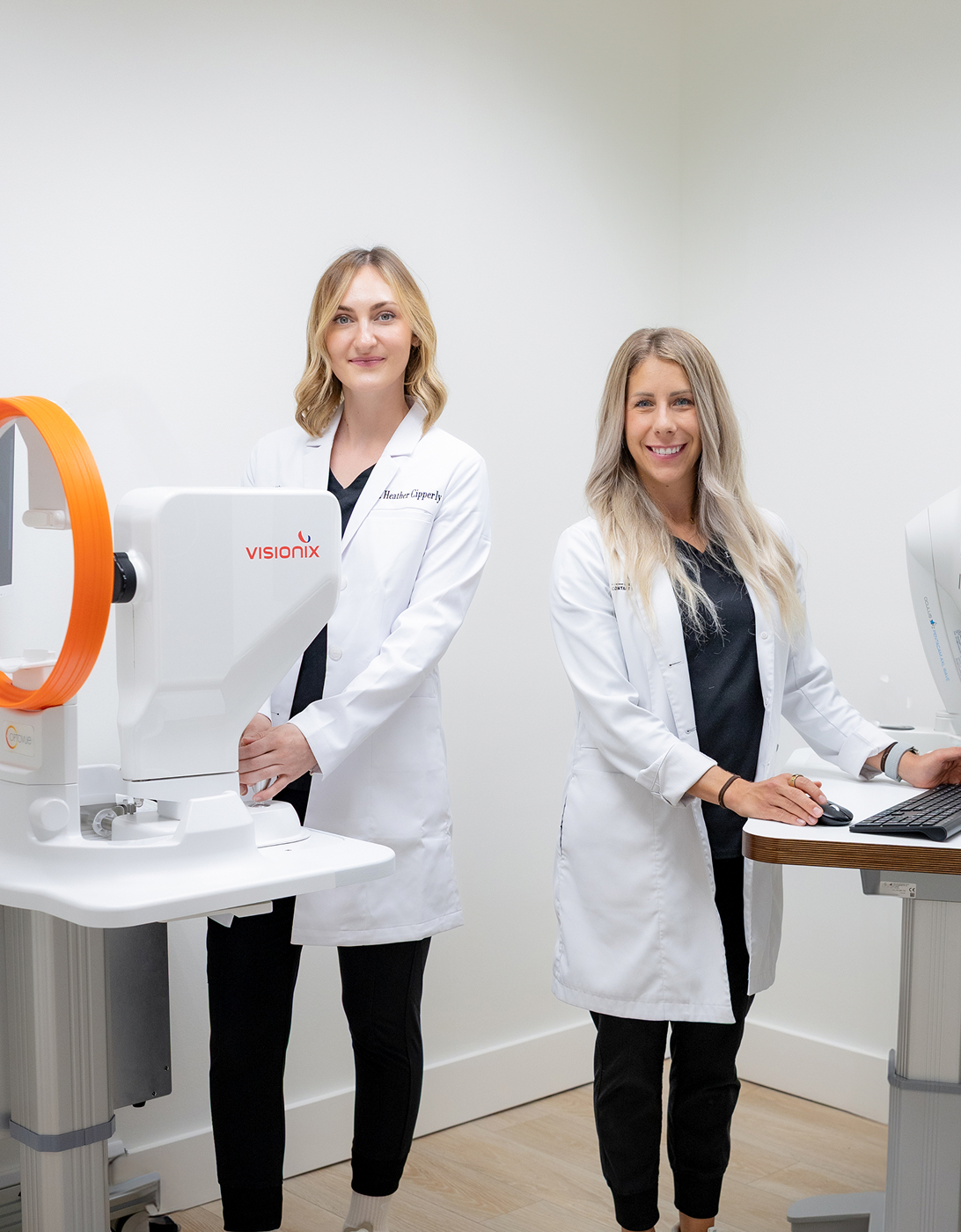
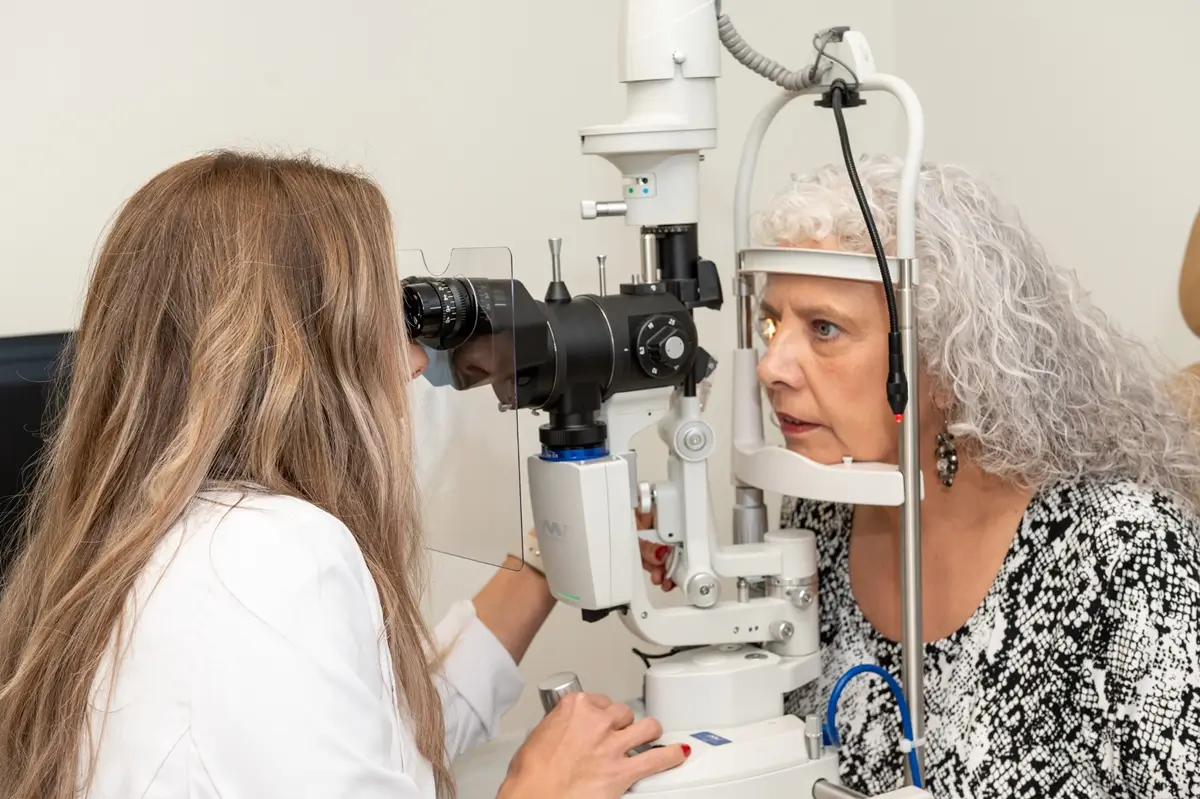
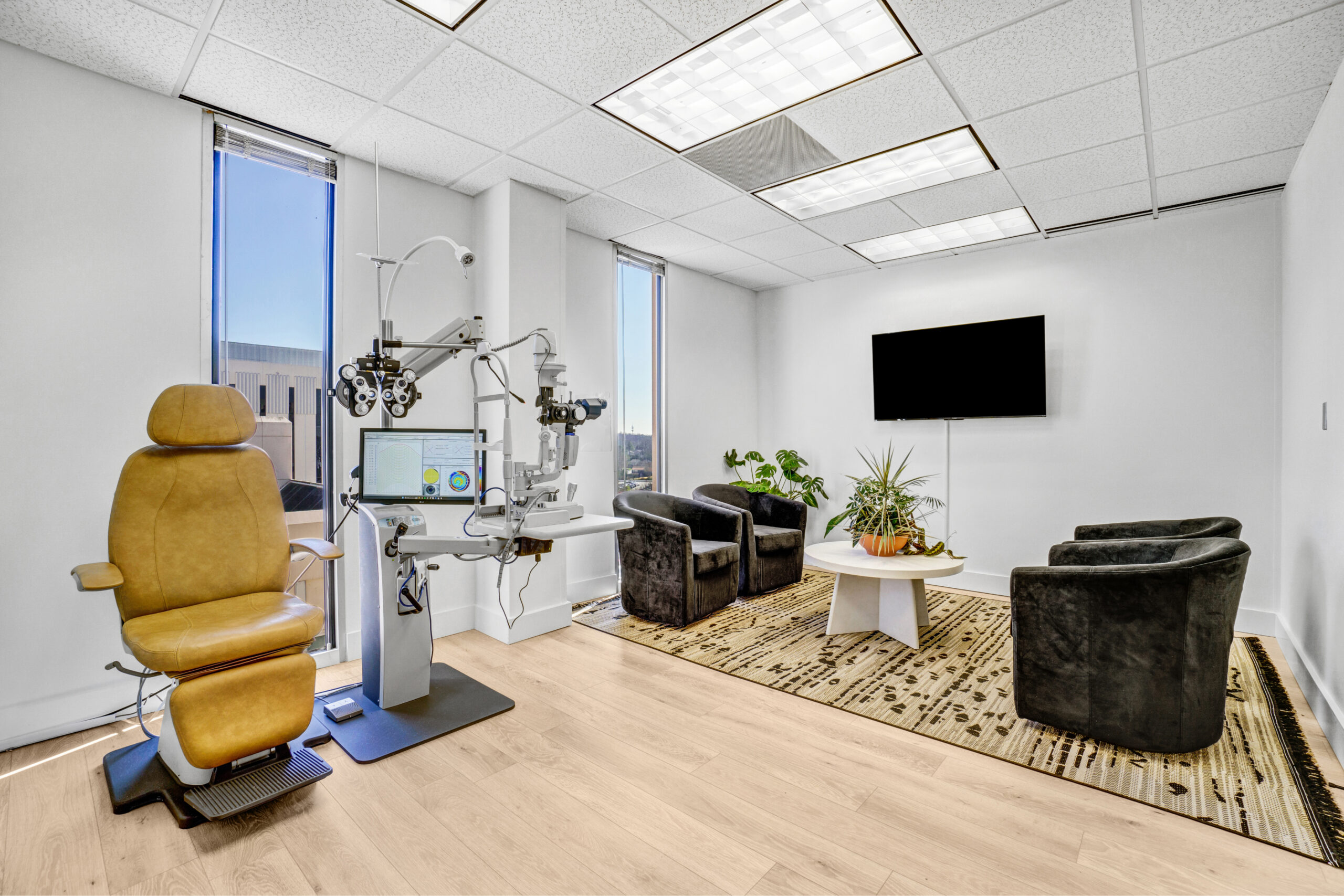
We use advanced diagnostic tools such as:
- Pentacam AXL Wave
- Scleral topography / profilometry
- Wavefrontaberrometry
- Ocular surface analysis
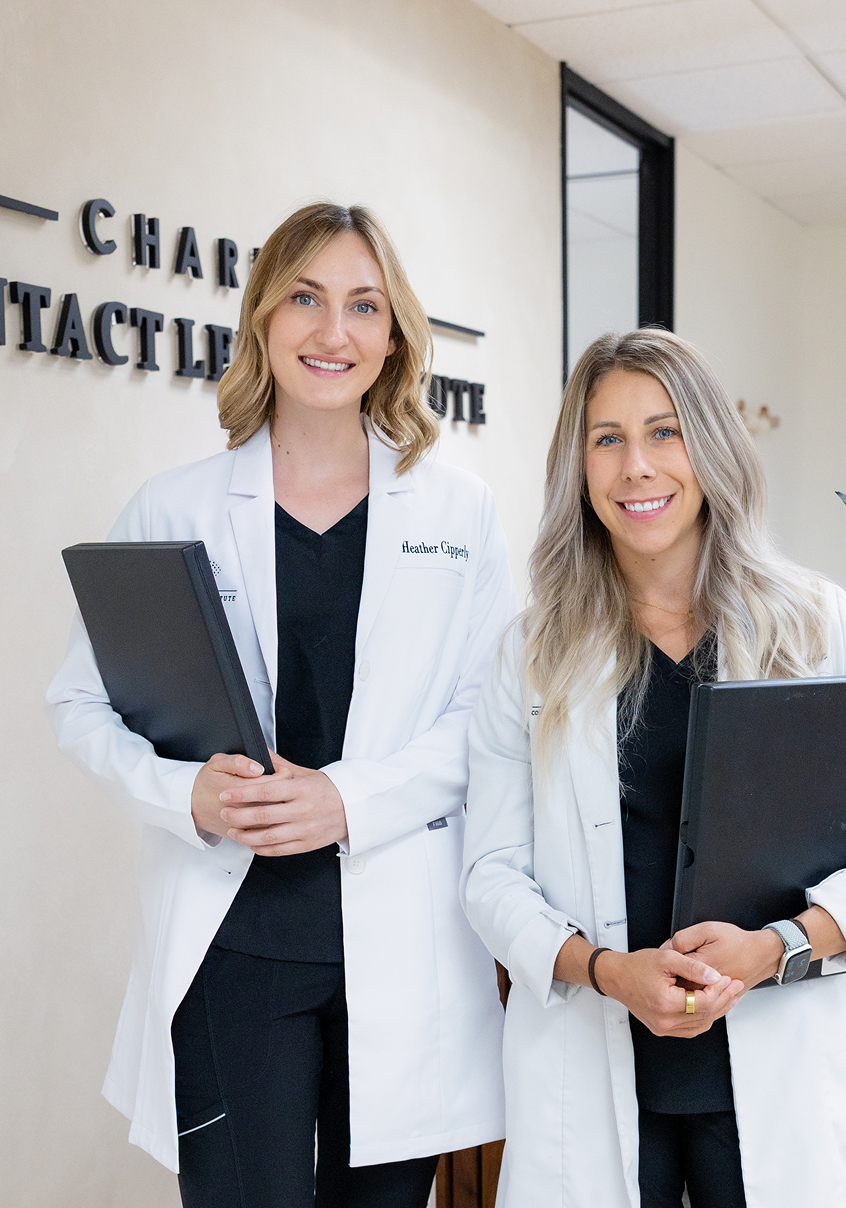
- Why Choose the Charlotte Contact Lens Institute?
Our practice focuses exclusively on specialty contact lens design.
We help patients who:
- Have complicated LASIK histories
- Were told “nothing else can be done”
- Need a fully customized lens
- Want to restore comfortable, functional vision
We routinely fit lenses for severe corneal irregularities, including post-LASIK complications and ectasia.
- Frequently Asked Questions
Can LASIK results weaken over time?
Yes. The cornea can change with age, leading to regression or irregular vision.
Do specialty lenses fix LASIK complications permanently?
They don’t cure corneal changes but provide clear, stable, reliable vision.
Is it normal to need specialty lenses many years after LASIK?
Absolutely. Many patients experience visual changes that only specialty lenses can correct effectively.
Are scleral lenses comfortable?
Yes. Most patients report all-day comfort due to the tear-filled reservoir beneath the lens.
Should I consider a LASIK enhancement instead of specialty lenses?
Enhancements aren’t always recommended for irregular or weakened corneas.
A specialty lens evaluation helps determine the safest option.