
Why the Cornea Loses Its Shape and How Vision Can Still Be Improved
The cornea plays a crucial role in focusing light and providing clear vision. When its shape becomes irregular, vision can quickly become distorted, blurred, or unstable. For many patients, this change is linked to conditions like keratoconus, where the cornea gradually thins and bulges outward.
While this may sound concerning, modern eye care offers effective ways to restore functional vision—even when the cornea no longer maintains its natural shape.
- Why Does the Cornea Lose Its Shape?
The cornea is normally smooth and dome-shaped. In certain conditions, its structure weakens over time, causing it to bulge into a cone-like form. This irregular shape prevents light from focusing properly on the retina.
Several factors may contribute to this change:
- Genetic predisposition
- Chronic eye rubbing
- Allergies and inflammation
- Natural weakening of corneal collagen
As the cornea becomes more irregular, standard glasses often fail to provide clear vision.
- How Irregular Corneas Affect Vision
When the cornea loses its regular curvature, light entering the eye becomes scattered. This leads to:
- Blurred or distorted vision
- Ghosting or double images
- Increased glare and halos
- Poor night vision
- Frequent prescription changes
These symptoms can significantly impact daily activities, especially driving or reading in low-light conditions.


- Modern Solutions to Improve Vision
Even though the cornea may not return to its original shape, several advanced treatments can help improve vision quality.
Specialty Contact Lenses
Custom-designed lenses, including scleral and gas permeable lenses, create a smooth optical surface over the cornea. This helps correct visual distortion and improve clarity.
Patients searching for options like keratoconus contacts raleigh often benefit from specialty lens evaluations that focus on precise customization and long-term comfort.
Corneal Cross-Linking
This procedure helps strengthen the corneal structure and slow or stop progression. While it does not directly improve vision, it plays an important role in preserving eye health.
Advanced Diagnostic Technology
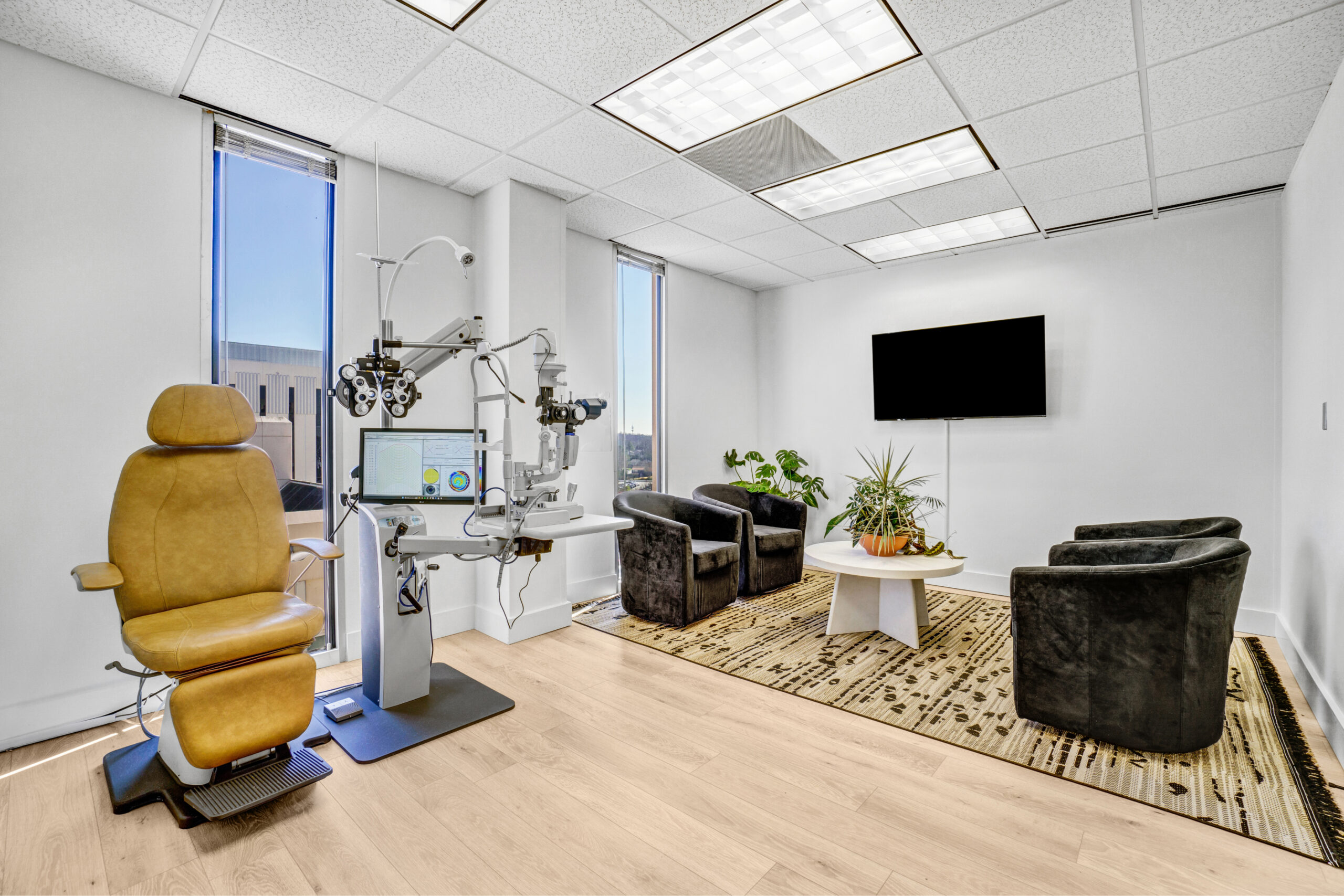
Modern imaging systems allow eye care providers to map the cornea in detail. This ensures that treatment plans are tailored to each patient’s unique eye shape and condition.
- Why Early Intervention Matters
Early diagnosis allows for better management and more treatment options. When addressed early, progression can often be slowed, and vision can be maintained more effectively.
Delaying care may lead to more advanced irregularities, making treatment more complex.
- Living Well with an Irregular Cornea
Although keratoconus and similar conditions can change how the eye functions, they do not mean the end of clear vision. With the right combination of advanced technology and personalized care, most patients can achieve stable, functional vision.
Modern specialty lenses and treatments continue to improve outcomes, helping patients maintain independence and quality of life.

- Frequently Asked Questions
What causes the cornea to lose its shape?
The cornea may lose its natural shape due to conditions like keratoconus, where the tissue becomes thinner and weaker over time. Factors such as genetics, eye rubbing, and chronic irritation can contribute to this change.
Can vision be improved if the cornea is irregular?
Yes. Even if the cornea cannot return to its original shape, vision can often be significantly improved using specialty contact lenses that create a smooth optical surface over the eye.
What are the best contact lens options for keratoconus?
Scleral lenses and gas permeable lenses are commonly recommended. Patients searching for keratoconus contacts raleigh often find that customized specialty lenses provide the best clarity and comfort.
Does corneal cross-linking restore vision?
No, corneal cross-linking is designed to strengthen the cornea and slow or stop progression. It does not directly improve vision, but it helps preserve long-term eye health.
How is an irregular cornea diagnosed?
Eye care professionals use advanced imaging tools such as corneal topography and tomography to map the surface of the cornea and detect irregularities.
Is early treatment important?
Yes. Early detection allows for better management and can help prevent further progression, improving long-term visual outcomes.
Can keratoconus get worse over time?
Yes, keratoconus is a progressive condition. Without proper monitoring and treatment, vision may continue to decline. Regular eye exams and timely intervention are essential.