
Best Contact Lenses for Keratoconus: Scleral, GP, Hybrid, and Custom Options Compared
Keratoconus is a condition where the cornea gradually becomes thinner and changes shape, creating an irregular surface that can affect vision quality. As the cornea becomes more uneven, traditional glasses and standard contact lenses may no longer provide clear or comfortable vision.
Fortunately, modern specialty contact lens technology offers several options to help patients with keratoconus achieve better vision. The best lens choice depends on the severity of the condition, eye shape, comfort needs, and lifestyle.
- Why Regular Contact Lenses May Not Work for Keratoconus
In keratoconus, the irregular corneal shape can cause:
- Blurry or distorted vision
- Increased glare and halos
- Difficulty seeing clearly at night
- Frequent prescription changes
- Reduced comfort with standard lenses
Specialty lenses work by creating a smoother optical surface, helping light focus more accurately on the retina.
- Scleral Lenses for Keratoconus
Scleral lenses are one of the most advanced and commonly recommended options for moderate to advanced keratoconus.
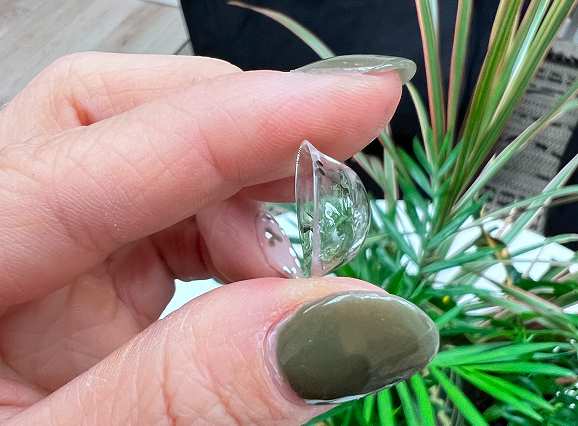
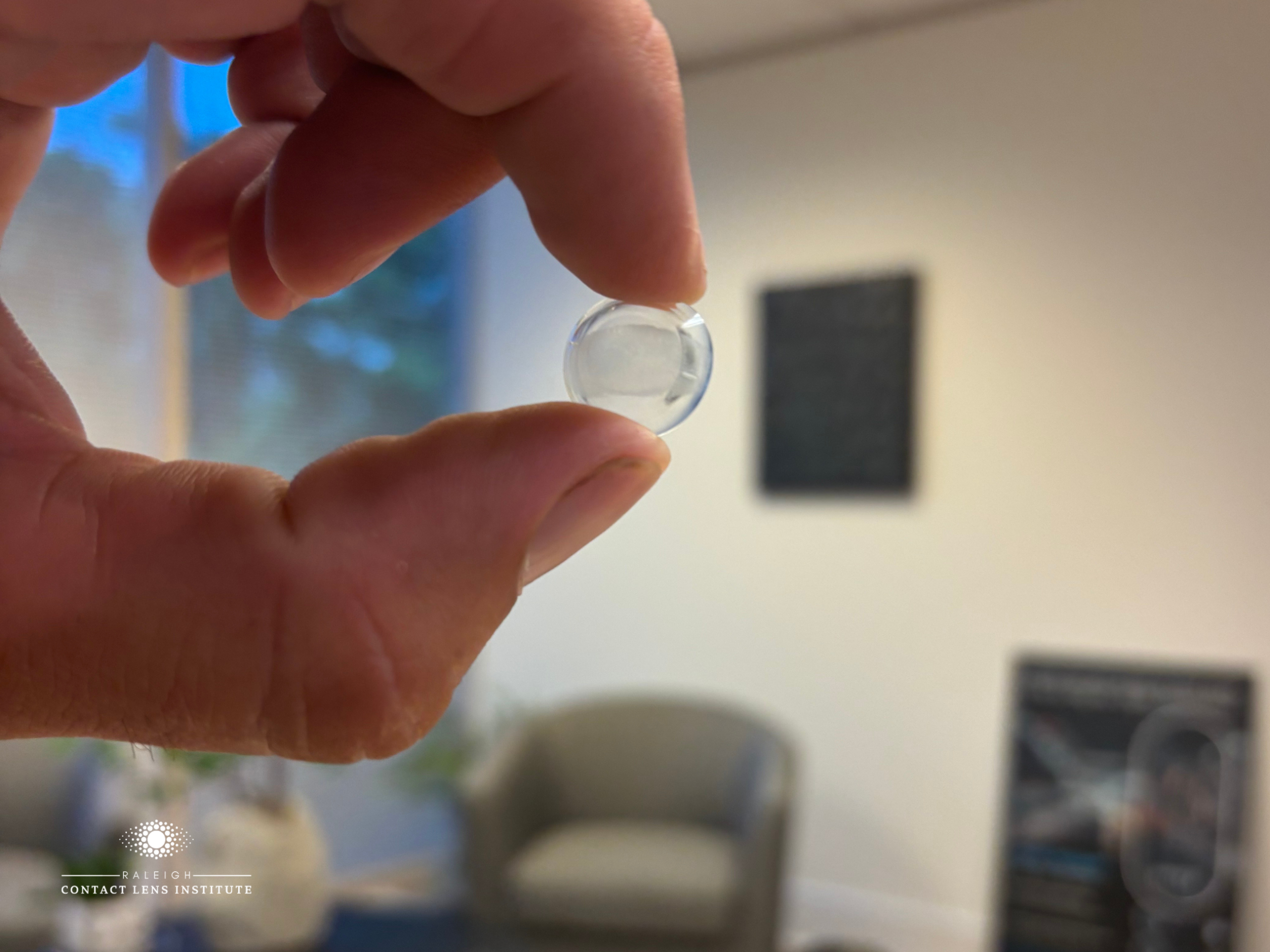
Unlike traditional lenses that sit directly on the cornea, scleral lenses vault over the corneal surface and rest on the sclera (the white part of the eye). A fluid reservoir underneath the lens helps maintain hydration and improves comfort.
Benefits of scleral lenses include:
- Excellent vision correction
- Increased lens stability
- Better comfort for many patients
- Support for irregular corneas
- Relief for patients with dry eye symptoms
Many patients searching for scleral lenses Charlotte are looking for advanced solutions when standard contact lenses are no longer effective.


- GP (Gas Permeable) Lenses for Keratoconus
GP lenses are rigid lenses that sit directly on the cornea. Their firm surface helps mask corneal irregularities and can provide very sharp vision.
They may be a good option for:
- Early keratoconus
- Mild to moderate corneal irregularity
- Patients who tolerate smaller rigid lenses
However, some patients may experience lens awareness or discomfort because GP lenses move directly on the corneal surface.
- Hybrid Contact Lenses
Hybrid lenses combine two technologies:
- A rigid gas permeable center for sharp vision
- A soft lens skirt for improved comfort
They are designed to provide the visual benefits of GP lenses while improving comfort.
Hybrid lenses may work well for some keratoconus patients, but the ideal choice depends on individual eye shape and wearing needs.
- Custom Contact Lens Options
Every keratoconus patient has a unique corneal shape. Some cases require highly customized lens designs created through advanced measurements and specialty fitting technology.
Custom lenses can help patients who:
- Have complex corneal irregularities
- Have struggled with previous lens fittings
- Need improved stability and comfort
Patients exploring scleral lenses Fort Mill or nearby specialty options often look for providers experienced in customized keratoconus solutions.
- How to Choose the Right Lens for Keratoconus
The right lens depends on:
- Corneal shape
- Severity of keratoconus
- Eye comfort
- Lifestyle requirements
- Previous contact lens experience
A specialty contact lens evaluation helps determine which design provides the best balance of vision and comfort.
- Why Specialty Lens Expertise Matters
Keratoconus fittings require more than selecting a standard lens size. Advanced evaluations, corneal measurements, and follow-up adjustments are important for achieving successful results.
Patients searching for scleral lenses Hickory and surrounding areas may benefit from working with providers who specialize in complex contact lens cases.
- Living Better With Keratoconus
With modern specialty lens options, many keratoconus patients can achieve clear and functional vision without surgery. Whether the solution is scleral, GP, hybrid, or a custom design, the right lens can make a major difference in daily life.
- Frequently Asked Questions
What are the best contact lenses for keratoconus?
The best contact lens option depends on the severity of keratoconus, corneal shape, and individual comfort needs. Common options include scleral lenses, GP lenses, hybrid lenses, and custom specialty lenses.
Are scleral lenses better than GP lenses for keratoconus?
Scleral lenses may provide better comfort and stability for many patients with moderate to advanced keratoconus because they vault over the cornea and create a fluid reservoir. GP lenses can still be effective, especially in earlier stages.
How do scleral lenses help keratoconus patients?
Scleral lenses create a smooth optical surface over the irregular cornea, which can improve vision clarity and reduce distortion caused by corneal changes.
Can hybrid lenses work for keratoconus?
Yes. Hybrid lenses combine a rigid center for sharp vision with a soft outer skirt for improved comfort. They may be a good option for some patients depending on their eye shape.
Are custom contact lenses necessary for every keratoconus patient?
Not every patient needs custom lenses, but individuals with complex corneal shapes or previous fitting challenges may benefit from customized designs.
How do I know if scleral lenses Charlotte are right for me?
A specialty contact lens evaluation can determine whether scleral lenses are appropriate based on your corneal shape, vision needs, comfort goals, and previous lens experience.
Can keratoconus patients wear contact lenses long term?
Yes. Many patients successfully wear specialty contact lenses for many years with proper fitting, regular follow-up visits, and good lens care habits.
Where can I find scleral lenses Fort Mill or nearby specialty care?
Patients looking for scleral lens options in areas like Fort Mill often seek experienced specialty contact lens providers who offer advanced fittings and customized solutions.
Are scleral lenses Hickory patients use different from regular contact lenses?
Scleral lenses are different from standard contacts because they are larger, customized, and designed to vault over the cornea rather than sitting directly on it.
How long do keratoconus contact lenses last?
With proper cleaning and maintenance, specialty lenses can last several years. Replacement may eventually be needed due to changes in vision, eye health, or normal lens wear.