
Why Am I Still Seeing Halos With Scleral Lenses? How Ovitz Can Help
Many patients are excited when they receive scleral lenses because they often provide dramatically better vision than glasses or traditional contact lenses. However, some people continue to notice halos, glare, ghosting, or starbursts—especially when driving at night or looking at bright lights.
If you’re asking, “Why am I still seeing halos with scleral lenses?”, you’re not alone. In many cases, the problem isn’t the fit of the lens—it’s something called Higher-Order Aberrations (HOAs), which standard scleral lenses may not completely correct. Advanced wavefront-guided technology like Ovitz is designed to measure and address these subtle visual distortions.
- Why Can Halos Still Occur With Well-Fitted Scleral Lenses?
Traditional scleral lenses are excellent at correcting lower-order vision problems such as nearsightedness, farsightedness, and regular astigmatism. They also mask many corneal irregularities by creating a smooth optical surface.
However, some patients continue to experience:
- Halos around lights
- Glare while driving at night
- Starbursts
- Ghost images
- Reduced contrast sensitivity
These symptoms are often caused by Higher-Order Aberrations that cannot always be corrected with conventional lenses alone.
- What Are Higher-Order Aberrations (HOAs)?
HOAs are tiny optical imperfections within the eye that affect how light travels to the retina. They may result from:
- Keratoconus
- Corneal scars
- Previous LASIK or RK surgery
- Irregular corneas
- Other complex eye conditions
Even when a scleral lens fits perfectly, these microscopic distortions may continue to affect vision quality, especially in low-light conditions.

- How Ovitz Technology Helps
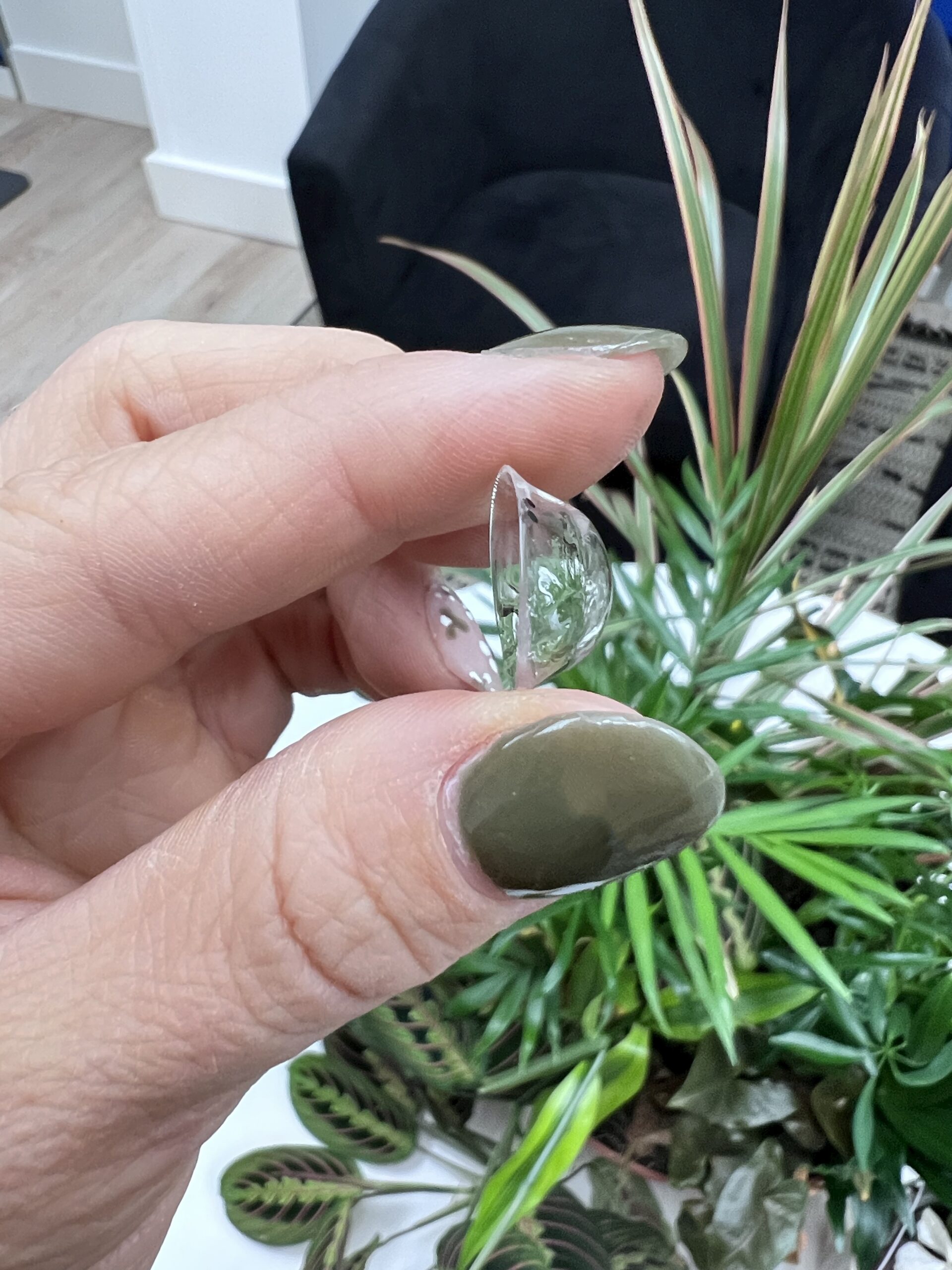
Unlike traditional testing, Ovitz technology Charlotte uses advanced wavefront aberrometry to measure the entire optical system of the eye—not just the front surface of the cornea.
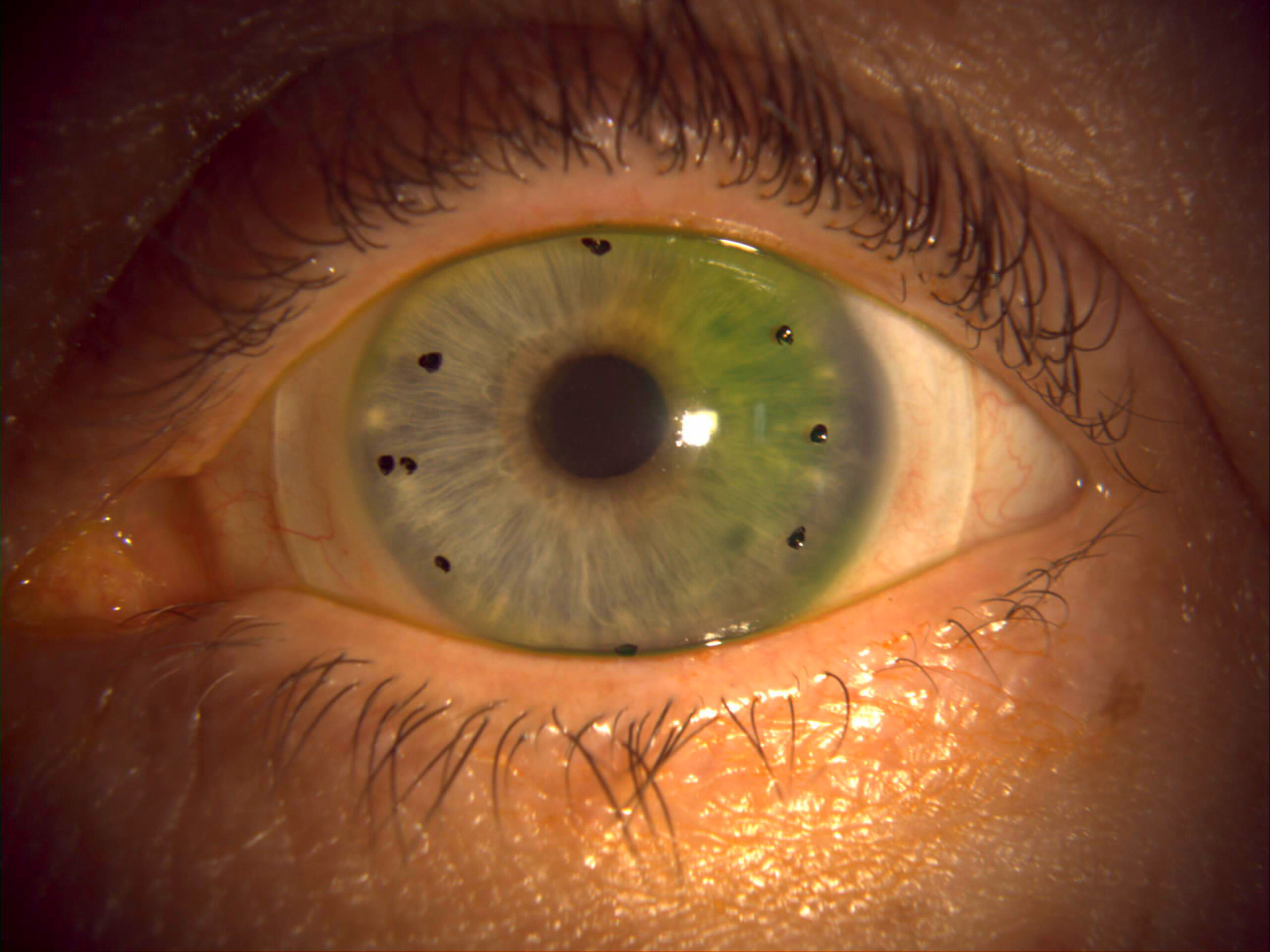
This detailed information is used to design customized optics that are incorporated into a stable scleral lens, helping reduce visual distortions that standard lenses may leave behind.
Potential benefits include:
- Reduced halos
- Less glare during night driving
- Improved contrast sensitivity
- Sharper overall vision
- Better visual quality in challenging lighting
- Why Lens Stability Matters
Wavefront-guided optics only work when the lens remains stable on the eye. This is one reason scleral lenses are often the preferred platform for HOA correction.
Because scleral lenses rest on the sclera instead of the cornea, they provide excellent stability, allowing customized optics to remain properly aligned with the eye.
- Who May Benefit From Ovitz-Enhanced Scleral Lenses?
Patients who may benefit include those with:
- Persistent halos despite wearing scleral lenses
- Glare or starbursts at night
- Keratoconus
- Post-LASIK visual disturbances
- Corneal irregularities
- Previous unsuccessful specialty lens fittings
Patients looking for Ovitz scleral lenses Charlotte often have good vision on the eye chart but still feel that their vision is not as crisp or comfortable as it should be.
- What Happens During an Ovitz Evaluation?
A specialty evaluation may include:
- Comprehensive eye examination
- Corneal imaging
- Wavefront aberrometry
- HOA measurement
- Trial scleral lens assessment
- Customized treatment recommendations
The goal is to determine whether HOA correction could further improve your vision beyond what standard scleral lenses provide.

- When Should You Ask About Ovitz Technology?
If your scleral lenses fit comfortably but you still notice halos, glare, or ghosting, it may be time to discuss advanced wavefront-guided technology with your eye care provider.
For some patients, the difference is not simply seeing 20/20—it’s seeing more clearly and comfortably in real-world situations such as night driving, reading, and working on digital screens.
- Frequently Asked Questions
Why am I still seeing halos with scleral lenses?
Halos can occur even when scleral lenses fit well because of higher-order aberrations (HOAs). These subtle optical imperfections are not always corrected by traditional scleral lenses and may continue to affect vision, especially at night.
Can Ovitz technology reduce halos and glare?
Yes. Ovitz technology Charlotte uses advanced wavefront aberrometry to measure higher-order aberrations and create customized optics that may reduce halos, glare, starbursts, and ghosting for eligible patients.
What are higher-order aberrations (HOAs)?
Higher-order aberrations are complex optical imperfections that cannot be corrected with a standard glasses or contact lens prescription. They often contribute to poor night vision, glare, halos, and reduced contrast sensitivity.
Who is a good candidate for Ovitz-enhanced scleral lenses?
Patients with keratoconus, irregular corneas, post-LASIK vision changes, corneal scarring, or persistent halos despite wearing scleral lenses may benefit from an evaluation to determine if Ovitz technology is appropriate.
How are Ovitz scleral lenses different from traditional scleral lenses?
Traditional scleral lenses correct many vision problems by creating a smooth optical surface over the cornea. Ovitz scleral lenses Charlotte incorporate wavefront-guided optics that are customized to reduce higher-order aberrations and improve overall visual quality.
Will Ovitz technology improve my night driving vision?
Many patients who experience glare, halos, or starbursts while driving at night may notice improved visual quality with wavefront-guided scleral lenses. The actual results depend on the underlying cause of the visual symptoms and a comprehensive eye evaluation.
Does every patient wearing scleral lenses need Ovitz technology?
No. Many patients achieve excellent vision with standard scleral lenses. Ovitz technology is generally considered for patients who continue to experience visual distortions that cannot be corrected with conventional lens designs.
What happens during an Ovitz evaluation?
An evaluation typically includes a comprehensive eye examination, advanced corneal imaging, wavefront aberrometry, assessment of higher-order aberrations, and a discussion of customized treatment options.
Can Ovitz technology help patients with keratoconus?
Yes. Patients with keratoconus often have higher-order aberrations that affect vision quality. Wavefront-guided technology may help improve visual sharpness beyond what standard scleral lenses can provide for some individuals.
How do I know if Ovitz-enhanced scleral lenses are right for me?
The best way to determine whether Ovitz technology is appropriate is through a specialty contact lens consultation. Your eye care provider can evaluate your vision, measure higher-order aberrations, and recommend the most suitable lens design based on your individual eye condition and visual goals.