
Night Driving Problems After LASIK or Keratoconus: Can Ovitz Improve Clarity?
For many people, vision appears clear during the day but becomes much more challenging after sunset. Halos around headlights, glare from streetlights, starbursts, and poor contrast sensitivity can make night driving stressful and even unsafe.
These symptoms are especially common in patients with keratoconus, irregular corneas, or those who have undergone LASIK surgery. While standard glasses and even traditional scleral lenses often improve vision, they may not fully correct the subtle optical imperfections responsible for poor nighttime vision.
Advanced wavefront-guided technology offers another level of customization that may help improve visual quality for eligible patients.
- Why Night Driving Becomes Difficult
Good night vision depends on more than simply reading the smallest letters on an eye chart. When the pupil enlarges in dim lighting, more light enters the eye, making tiny optical imperfections more noticeable.
Patients commonly report:
- Halos around headlights
- Glare from oncoming traffic
- Starbursts around lights
- Ghost images
- Reduced contrast sensitivity
- Difficulty recognizing road signs at night
These symptoms often interfere with confidence behind the wheel.
- How LASIK and Keratoconus Affect Night Vision
After LASIK
Although LASIK successfully corrects vision for many patients, some individuals continue to experience nighttime visual disturbances. Changes in the shape of the cornea may contribute to higher-order aberrations (HOAs), which cannot be corrected with a standard glasses prescription.
With Keratoconus
Keratoconus creates an irregular corneal surface that scatters incoming light. Even after being fitted with specialty lenses, some patients may continue to notice glare and halos, particularly in low-light environments.

- What Are Higher-Order Aberrations?
Higher-order aberrations are complex optical imperfections that reduce overall visual quality. Unlike nearsightedness or astigmatism, these distortions cannot be corrected with ordinary glasses or traditional contact lenses.
HOAs may cause:
- Night glare
- Halos
- Double or ghost images
- Reduced contrast
- Poor visual sharpness despite achieving 20/20 vision
This explains why some patients say, “I can read the eye chart, but my vision still doesn’t feel clear.”
- How Ovitz Technology Can Help
Ovitz technology Charlotte uses advanced wavefront aberrometry to analyze the eye’s complete optical system. Instead of correcting only the basic prescription, this technology measures higher-order aberrations unique to each patient.
The information is then used to create customized optics that work together with specialty contact lenses.
Potential benefits include:
- Reduced halos
- Less glare during night driving
- Improved contrast sensitivity
- Sharper vision in dim lighting
- Better overall visual quality
- Why Scleral Lenses Work Well With Ovitz Technology
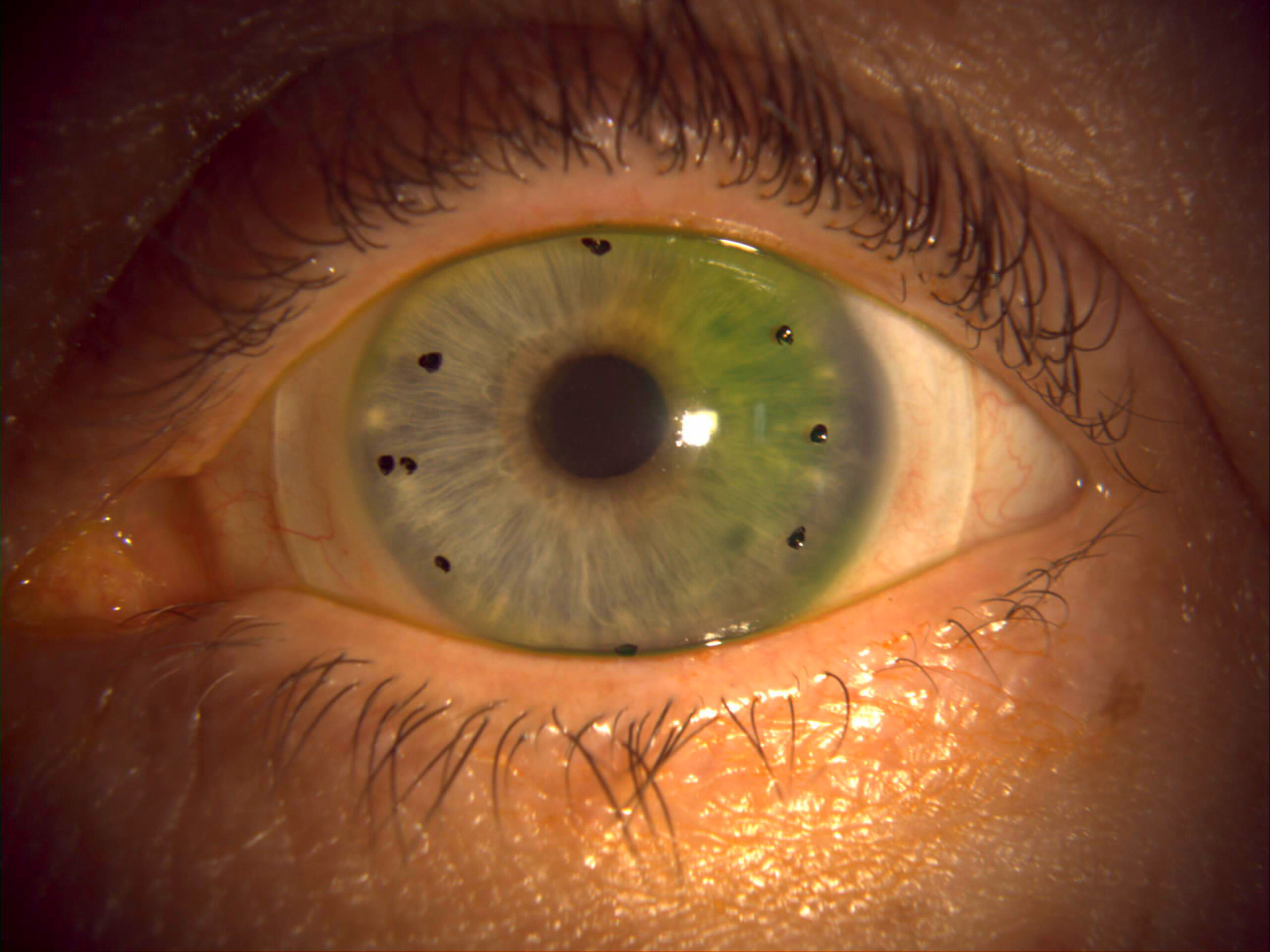
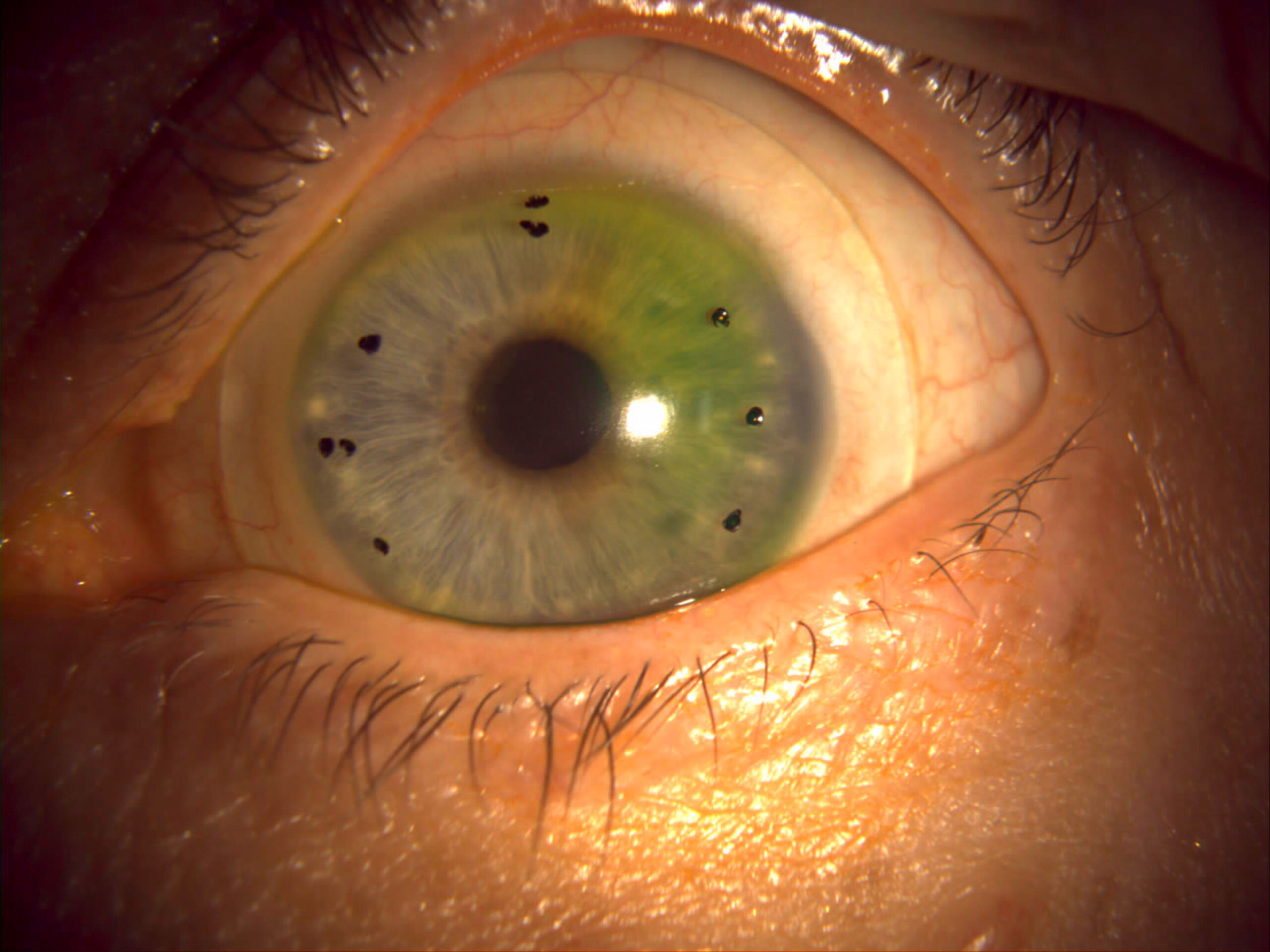
Scleral lenses provide excellent stability because they rest on the sclera rather than the cornea. Their stable position allows wavefront-guided optics to remain properly aligned with the eye.
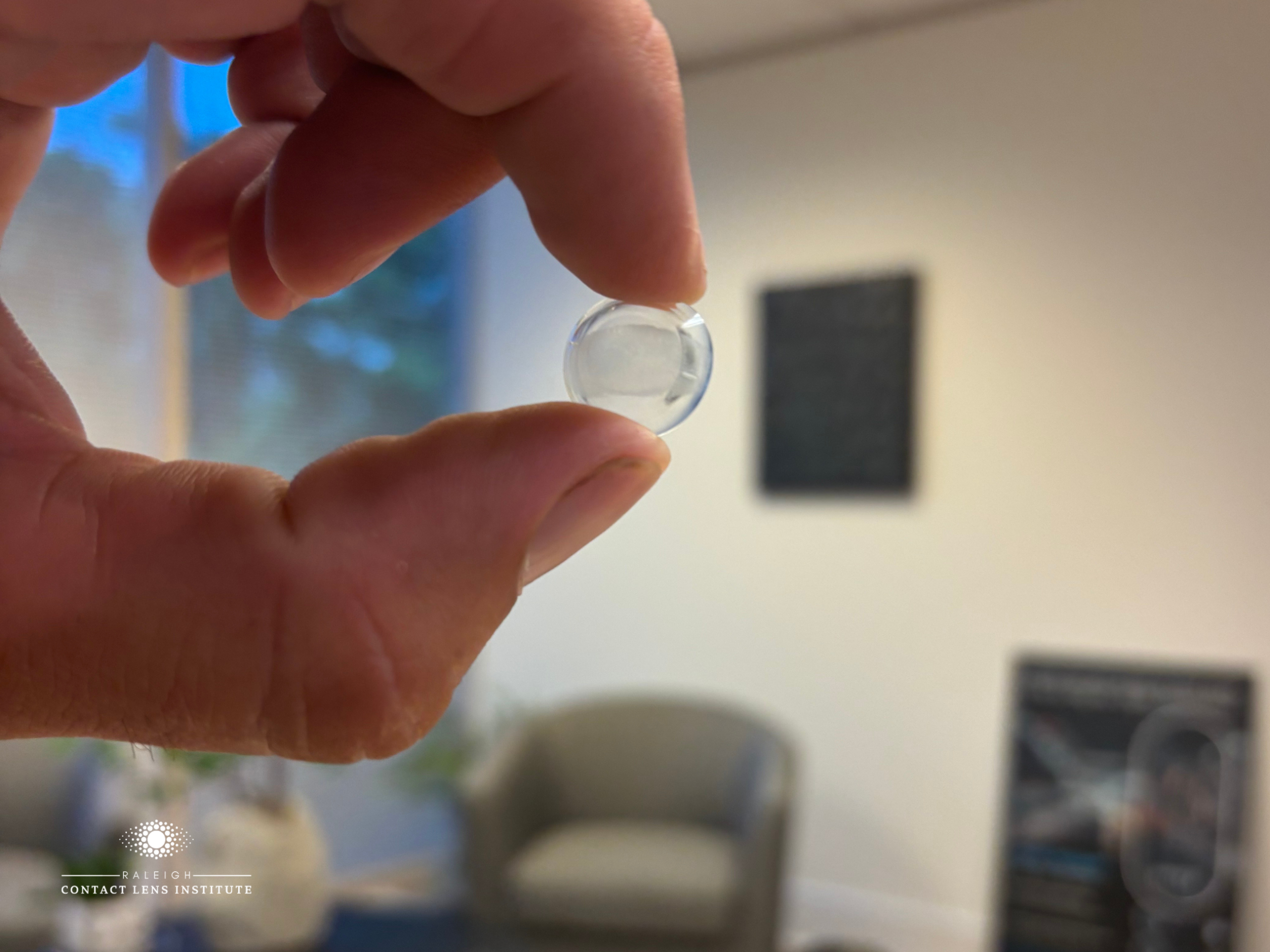
Patients exploring Ovitz scleral lenses Charlotte may benefit from combining customized scleral lens designs with advanced HOA correction, particularly when standard scleral lenses do not completely eliminate nighttime visual symptoms.
- Who May Benefit From an Ovitz Evaluation?
You may be a candidate if you:
- Experience halos or glare after LASIK
- Have keratoconus with persistent visual distortion
- Notice poor night driving vision
- Have irregular corneas
- Already wear scleral lenses but want sharper vision
- Have been told your prescription is correct but still struggle with visual quality
A comprehensive specialty lens evaluation can determine whether wavefront-guided technology is appropriate for your individual needs.
- What to Expect During Your Consultation
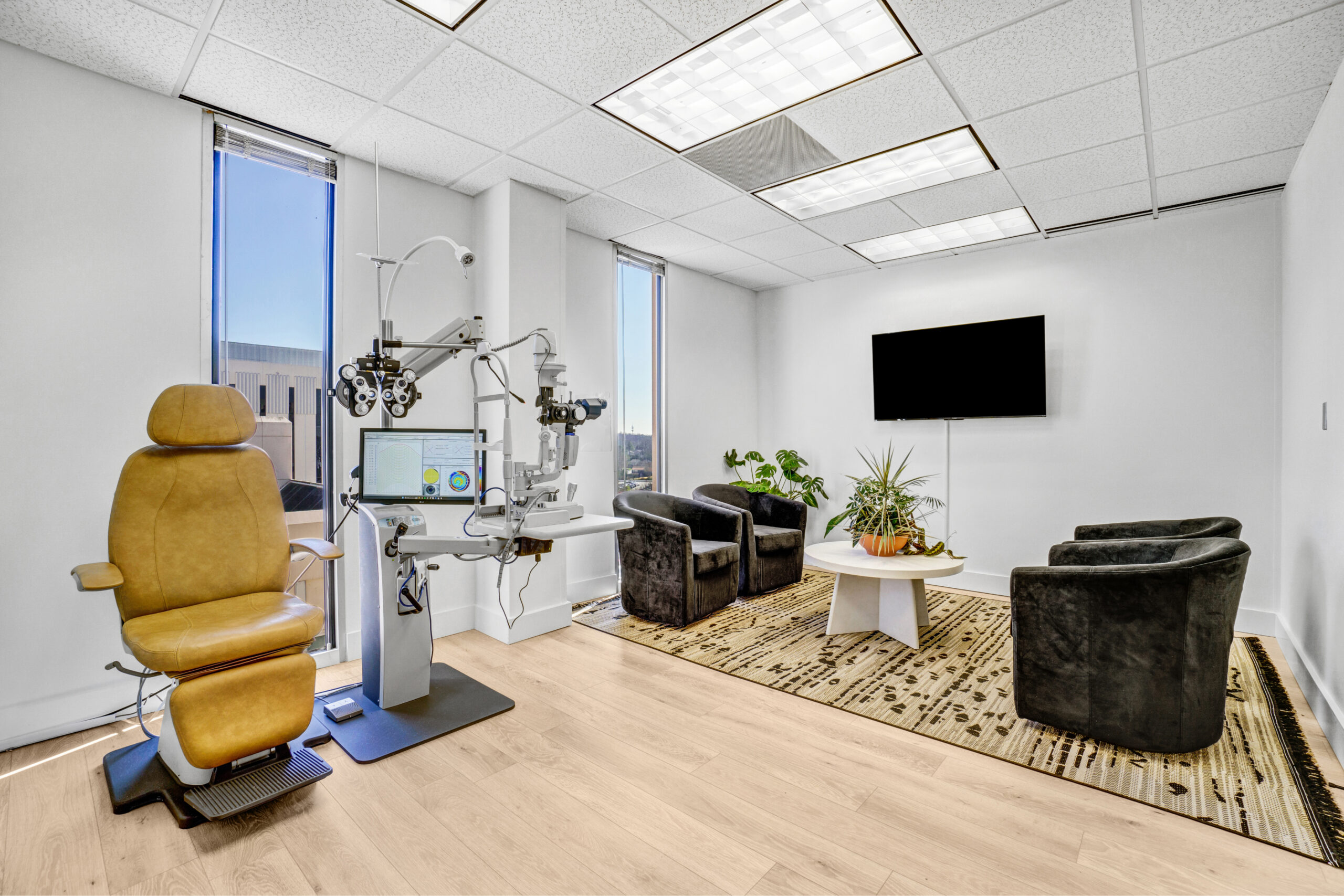
A specialty contact lens consultation may include:
- Comprehensive eye examination
- Corneal topography
- Advanced wavefront aberrometry
- Measurement of higher-order aberrations
- Specialty lens evaluation
- Personalized treatment recommendations
These advanced measurements help determine whether customized optics can improve your vision beyond conventional correction.
- Take the Next Step Toward Clearer Night Vision
Night driving problems do not always mean your prescription needs to be changed. In many cases, the issue involves higher-order aberrations that require more advanced diagnostic technology.
For patients with keratoconus, post-LASIK vision changes, or persistent nighttime glare, Ovitz wavefront-guided technology may provide another option for achieving clearer, more comfortable vision.
- Frequently Asked Questions
Why do I still see halos after LASIK?
Some patients develop higher-order aberrations after LASIK, which can cause halos, glare, and reduced night vision. These optical imperfections are not corrected by a standard glasses prescription.
Can keratoconus cause problems with night driving?
Yes. The irregular shape of the cornea in keratoconus can scatter light, leading to halos, glare, ghost images, and reduced contrast sensitivity, especially in low-light conditions.
How does Ovitz technology improve night vision?
Ovitz technology Charlotte measures higher-order aberrations using advanced wavefront aberrometry. This information is used to create customized optics that may reduce glare, halos, and other visual distortions.
Will Ovitz eliminate halos completely?
Results vary depending on the individual eye condition. Many patients experience noticeable improvement, but the amount of correction depends on the type and severity of their higher-order aberrations.
Are Ovitz scleral lenses different from regular scleral lenses?
Yes. Ovitz scleral lenses Charlotte combine the stability of scleral lenses with customized wavefront-guided optics designed to improve visual quality beyond standard lens correction.
Who is a good candidate for Ovitz technology?
Patients with keratoconus, post-LASIK visual disturbances, irregular corneas, or persistent glare and halos despite wearing specialty lenses may benefit from an evaluation.
Can Ovitz technology help if I already have 20/20 vision?
Yes. Some patients achieve 20/20 vision but still experience glare, halos, or poor contrast. Wavefront-guided technology focuses on improving visual quality, not just visual acuity.
What tests are performed during an Ovitz evaluation?
The evaluation may include a comprehensive eye exam, corneal imaging, wavefront aberrometry, higher-order aberration measurements, and a specialty contact lens assessment.
Is Ovitz technology only for keratoconus patients?
No. It may also benefit patients with post-LASIK complications, irregular corneas, corneal scars, and others experiencing higher-order aberrations.
How do I know if Ovitz technology is right for me?
A specialty contact lens consultation is the best way to determine whether your vision problems are caused by higher-order aberrations and whether customized wavefront-guided lenses may improve your results.