
Are Ovitz Lenses Worth It? Cost, Results, and What to Expect
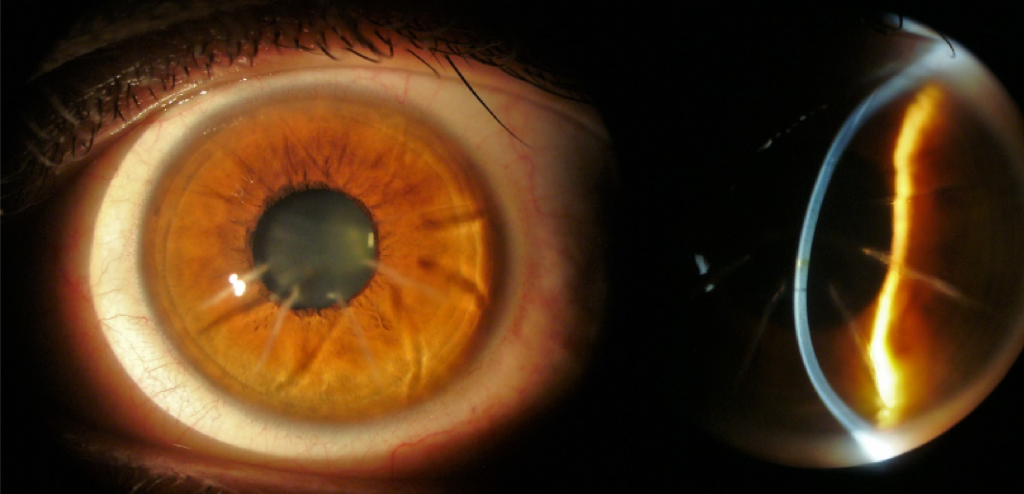
If you’ve been diagnosed with keratoconus, irregular corneas, or continue to experience halos and glare despite wearing scleral lenses, you may have heard about Ovitz technology. Many patients wonder whether investing in wavefront-guided lenses is worthwhile and what kind of improvement they can realistically expect.
The answer depends on your eye condition and visual goals. For patients with significant higher-order aberrations (HOAs), Ovitz technology may provide noticeably sharper vision than conventional scleral lenses by correcting subtle optical imperfections that standard prescriptions cannot address.
- What Are Ovitz Lenses?
Ovitz is an advanced wavefront-guided technology that measures higher-order aberrations throughout the entire optical system of the eye. This information is then incorporated into customized specialty contact lenses to improve overall visual quality.
Patients searching for Ovitz technology Charlotte are typically looking for solutions after traditional glasses, soft lenses, or even standard scleral lenses have not completely eliminated glare, halos, ghosting, or blurred vision.
- Who May Benefit the Most?
Ovitz-guided lenses may be recommended for patients with:
- Keratoconus
- Post-LASIK visual disturbances
- Corneal scarring
- Irregular corneas
- Persistent halos or glare
- Poor night vision despite good visual acuity
- Previous specialty lens wear with remaining visual distortion
Not every patient requires wavefront-guided correction, but those with significant HOAs may experience meaningful improvements.
- What Results Can You Expect?
Results vary from person to person because every eye has a unique optical profile.
Many eligible patients report improvements such as:
- Sharper overall vision
- Reduced halos and glare
- Better night driving
- Improved contrast sensitivity
- Less ghosting or double vision
- Better visual quality even when reading smaller details
While Ovitz technology can significantly reduce higher-order aberrations for many patients, it may not eliminate every visual symptom. Your results depend on your eye health, the severity of the aberrations, and how well the customized lens aligns with your eye.
- What About the Cost?
Many patients ask whether Ovitz lenses cost more than traditional scleral lenses.
Because every case is customized, there is no single price that applies to every patient. Costs can vary depending on:
- The complexity of your prescription
- Diagnostic testing required
- Lens design
- Number of fitting visits
- Insurance benefits
- Whether additional wavefront-guided optics are recommended
The best way to understand your expected investment is through a comprehensive specialty contact lens consultation, where your provider can explain available treatment options and associated costs.
- What Happens During an Ovitz Evaluation?
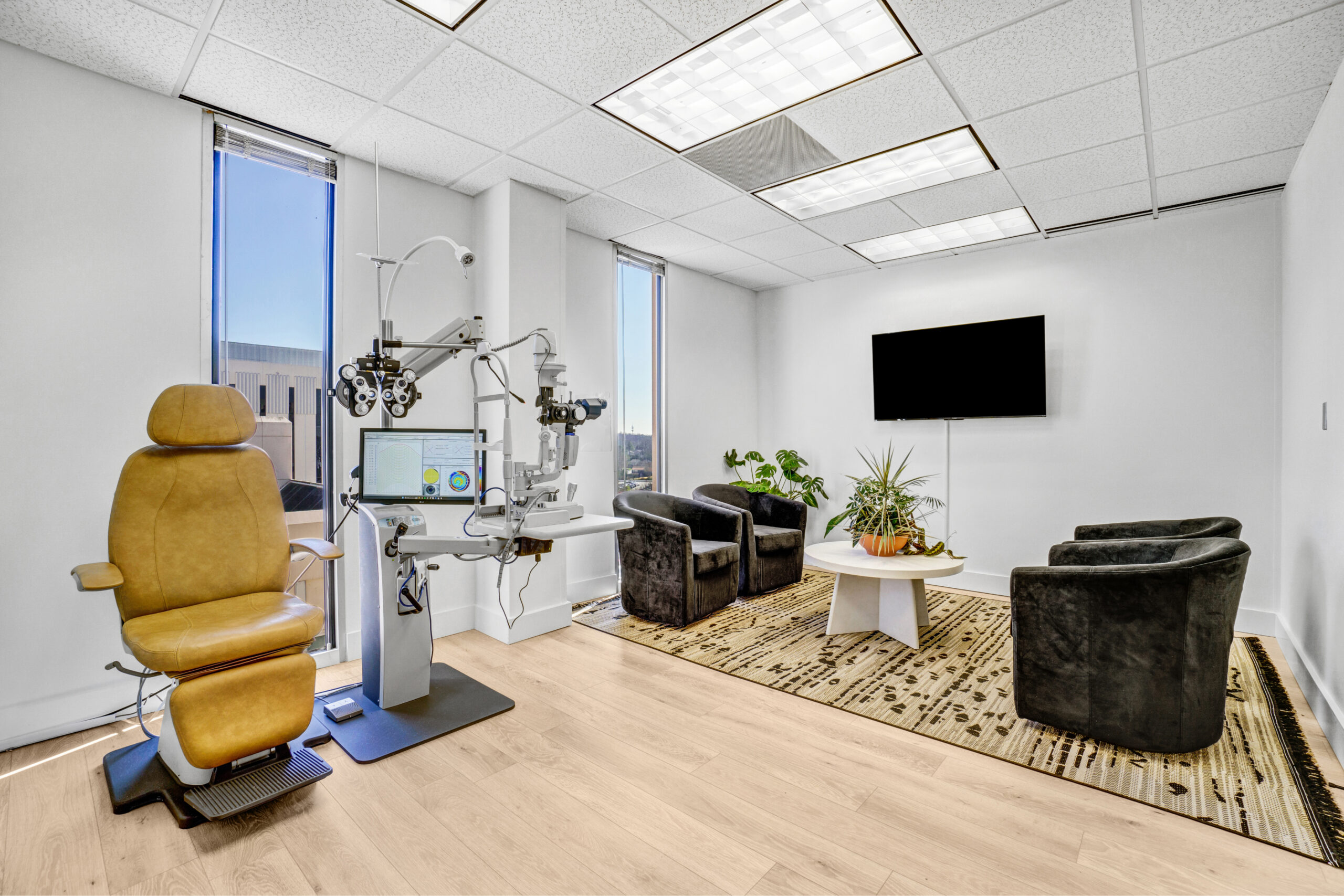
An Ovitz consultation is more detailed than a routine eye exam and may include:
- Comprehensive eye examination
- Corneal topography
- Wavefront aberrometry
- Higher-order aberration measurements
- Specialty scleral lens evaluation
- Personalized treatment recommendations
These advanced measurements help determine whether wavefront-guided optics are likely to improve your visual quality.
- How Long Does the Process Take?
Every patient is different, but the process generally involves:
- Initial specialty consultation
- Advanced imaging and measurements
- Custom lens design
- Lens dispensing appointment
- Follow-up visits for fine adjustments
Some patients achieve an excellent fit quickly, while others may require additional refinements to optimize both comfort and vision.
- Are Ovitz Scleral Lenses Worth It?
Patients considering Ovitz scleral lenses Charlotte often ask whether the additional customization is justified.
If your current scleral lenses already provide excellent vision without glare or halos, standard scleral lenses may continue to meet your needs.
However, if you still struggle with:
- Night driving
- Halos around lights
- Starbursts
- Ghost images
- Reduced visual quality despite achieving 20/20 vision
wavefront-guided technology may offer an additional level of visual improvement that conventional lenses cannot provide.
- Is Ovitz Technology Right for You?
Ovitz technology is not designed for every specialty contact lens patient. It is intended for individuals whose vision is limited by higher-order aberrations that remain after traditional correction.
For the right candidate, customized wavefront-guided scleral lenses may improve clarity, reduce visual distortions, and make everyday activities—including night driving and reading—more comfortable.
A comprehensive specialty contact lens evaluation is the best way to determine whether Ovitz technology is an appropriate option for your vision needs.
- Frequently Asked Questions
What are Ovitz lenses?
Ovitz lenses use advanced wavefront-guided technology to measure and correct higher-order aberrations that cannot be corrected with standard glasses or conventional contact lenses.
Who is a good candidate for Ovitz technology?
Patients with keratoconus, irregular corneas, post-LASIK complications, corneal scars, or persistent glare and halos despite wearing scleral lenses may benefit from an evaluation.
Is Ovitz technology Charlotte different from standard scleral lens fitting?
Yes. Ovitz technology Charlotte includes advanced wavefront aberrometry to create customized optics that address higher-order aberrations in addition to the standard prescription.
Will Ovitz lenses completely eliminate halos and glare?
Results vary from person to person. Many patients experience noticeable reductions in halos, glare, and ghosting, but the level of improvement depends on the underlying eye condition and the severity of higher-order aberrations.
Are Ovitz scleral lenses Charlotte worth the additional investment?
For patients whose vision is limited by higher-order aberrations, the added customization may provide better visual quality than traditional scleral lenses. Your eye care provider can help determine whether the expected benefits justify the additional cost.
Does insurance cover Ovitz lenses?
Insurance coverage varies by provider and individual plan. During your consultation, your eye care team can explain what benefits may apply and discuss any out-of-pocket costs.
How long does it take to receive Ovitz lenses?
The process typically includes advanced testing, custom lens manufacturing, fitting, and follow-up visits. The exact timeline depends on the complexity of the case and whether lens refinements are needed.
Can Ovitz technology help after LASIK?
Yes. Patients with higher-order aberrations following LASIK may benefit from wavefront-guided scleral lenses if they continue to experience glare, halos, or reduced night vision.
Can Ovitz lenses help patients with keratoconus?
Many patients with keratoconus have higher-order aberrations that affect vision quality. Ovitz technology may improve visual clarity beyond what standard scleral lenses alone can provide.
How do I know if Ovitz technology is right for me?
A comprehensive specialty contact lens evaluation with advanced imaging and wavefront measurements is the best way to determine whether Ovitz-guided lenses are appropriate for your specific vision needs.