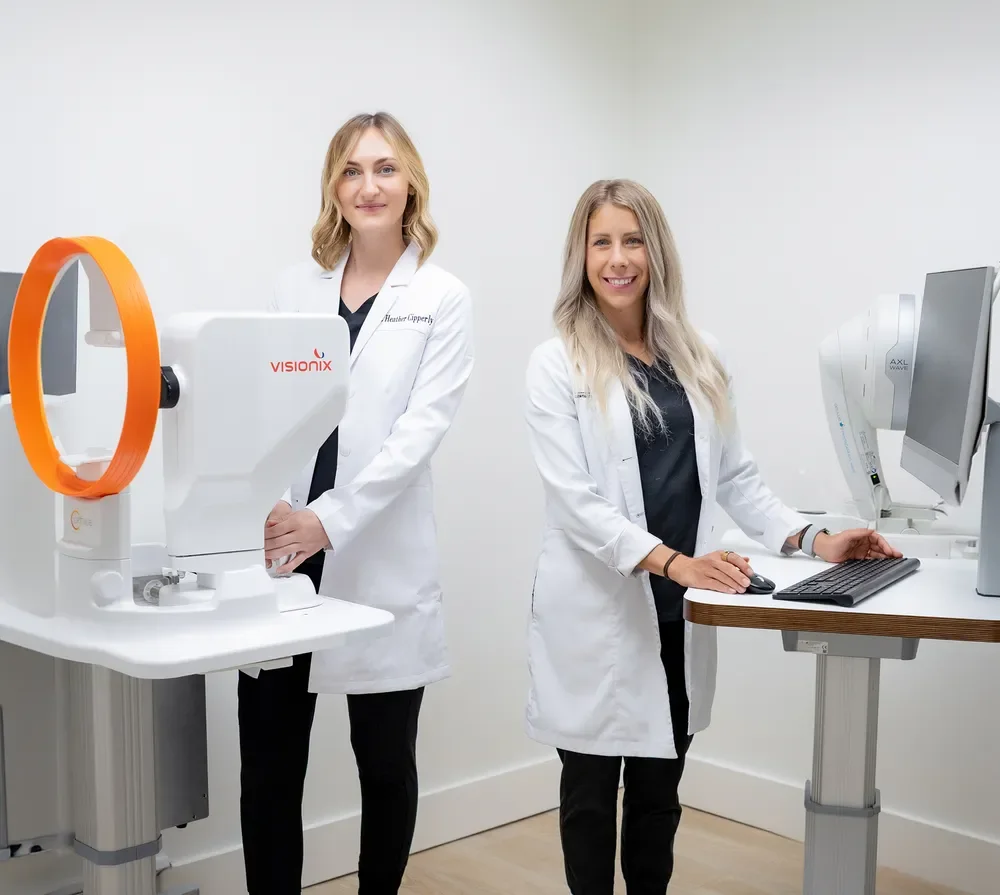
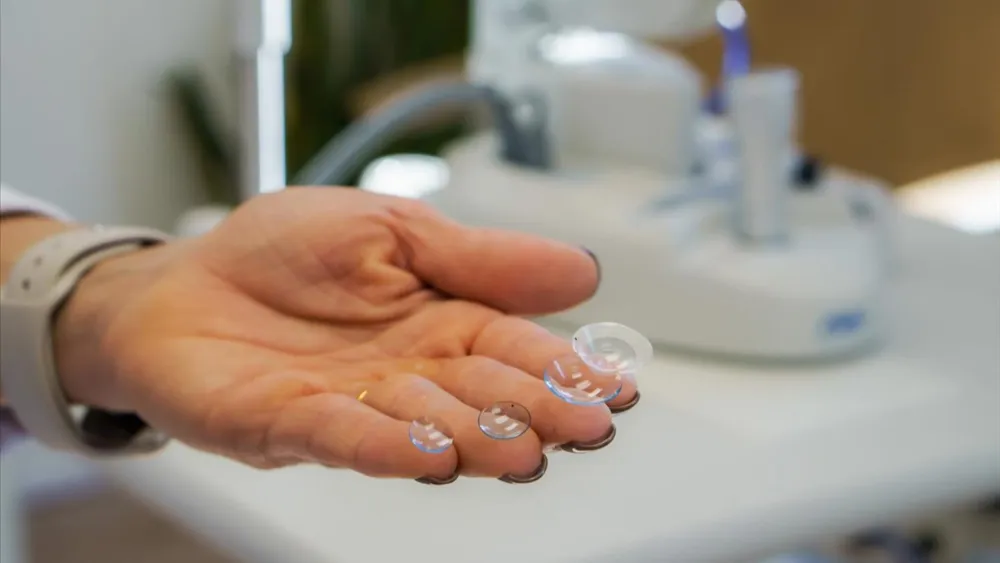
When it comes to specialty contact lenses, precision makes all the difference—especially for patients with irregular corneas or persistent vision problems even after wearing scleral lenses. The Ovitz Higher-Order Aberration (HOA) system is redefining what’s possible, helping doctors move beyond the limits of traditional lenses to deliver clearer, sharper vision than ever before.
Why Standard Scleral Lenses Aren’t Always Enough
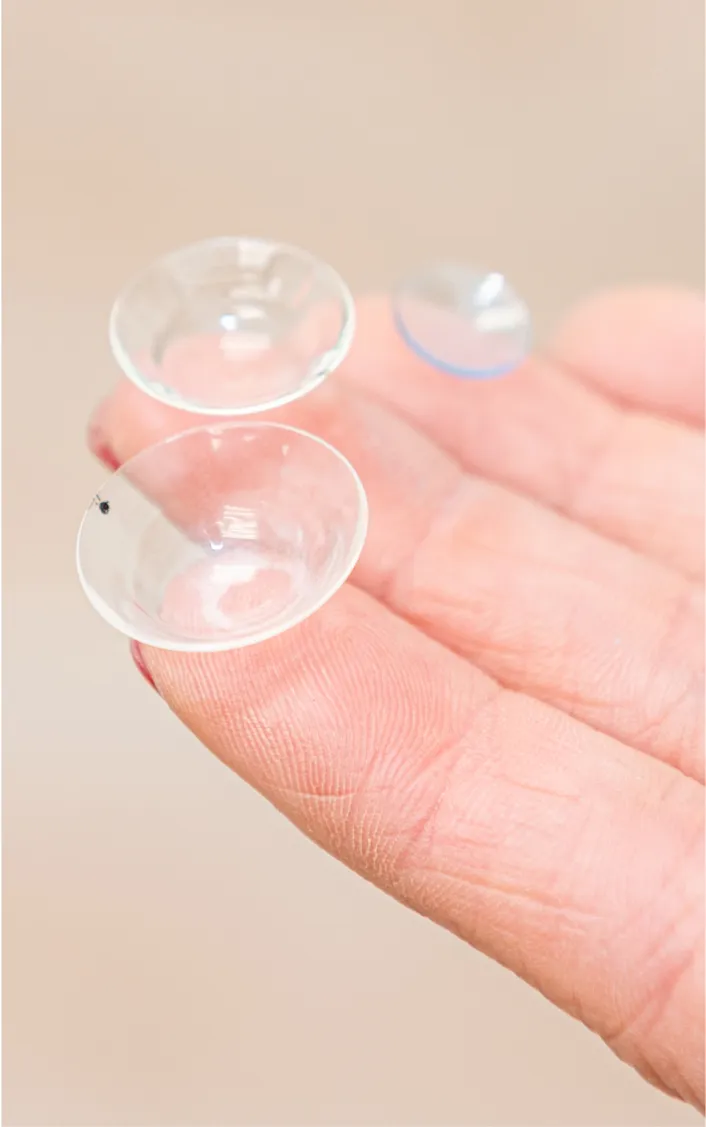
Scleral lenses are already a breakthrough treatment for conditions like keratoconus, post-LASIK ectasia, corneal transplants, and other corneal irregularities. They vault over the cornea, creating a smooth optical surface and restoring vision that glasses and soft contacts cannot.
But for some patients, even a perfect scleral lens fit doesn’t eliminate frustrating symptoms like:
- Glare
- Halos around lights
- Starbursts at night
- Double or “ghosted” vision
These issues are usually caused by higher-order aberrations—microscopic optical distortions that standard prescriptions (like nearsightedness or astigmatism) cannot correct.
How the Ovitz HOA System Works
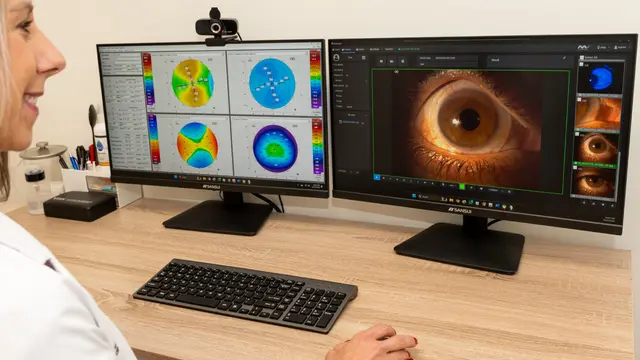
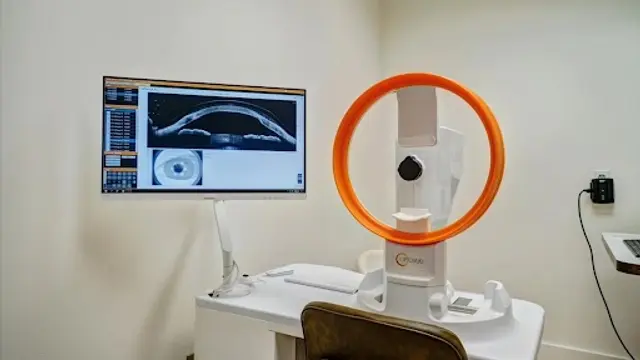
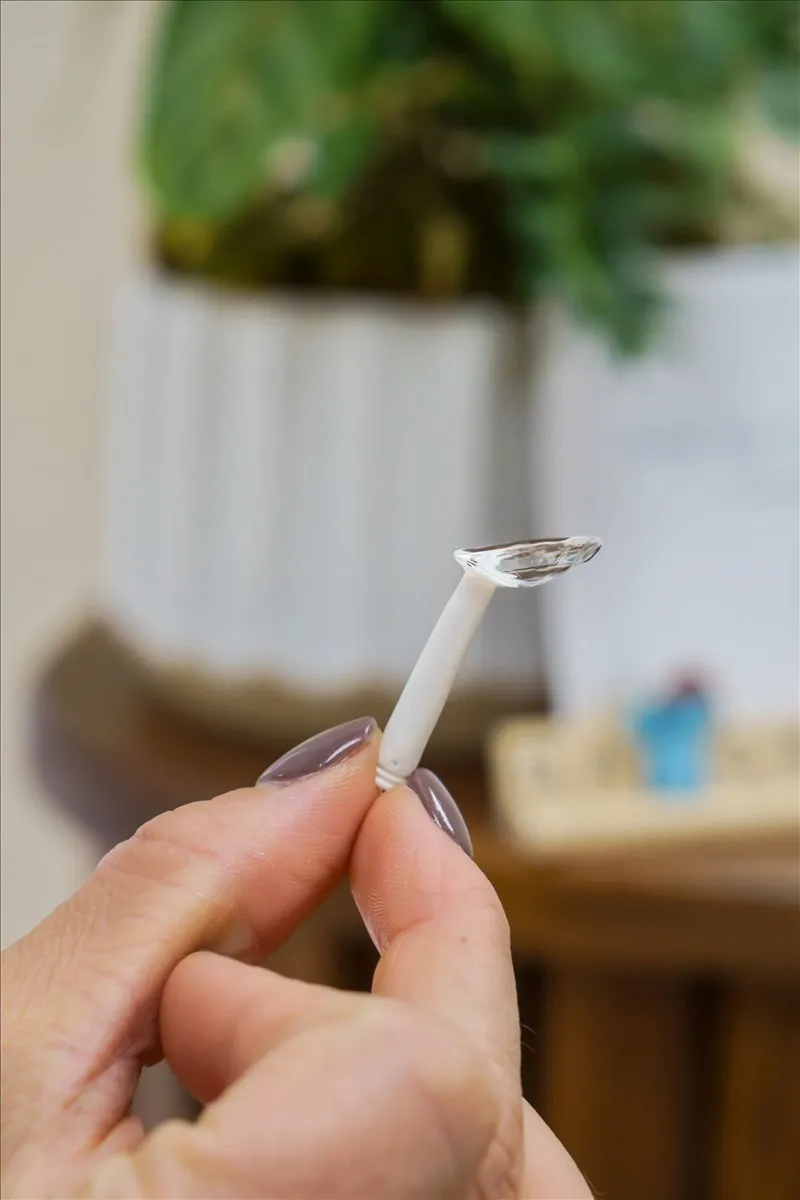
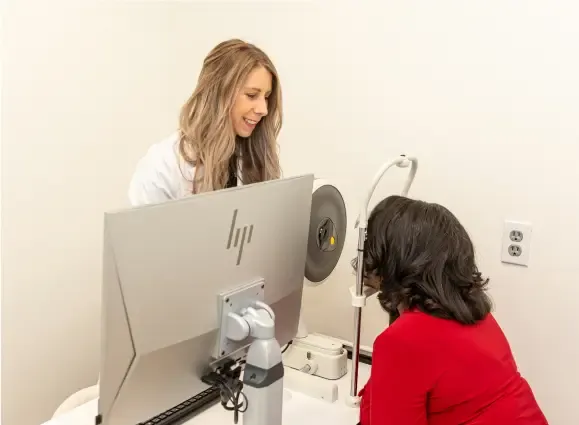
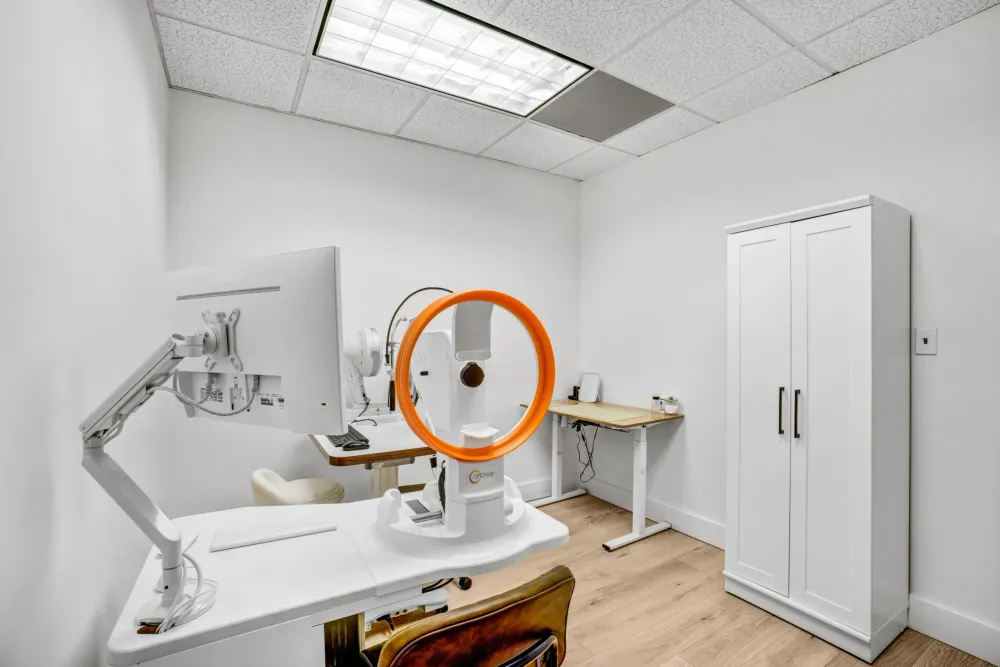
The Ovitz system uses advanced wavefront aberrometry to measure exactly how light travels through your eye. Instead of only detecting basic vision errors, it maps the subtle, complex distortions that cause visual disturbances.
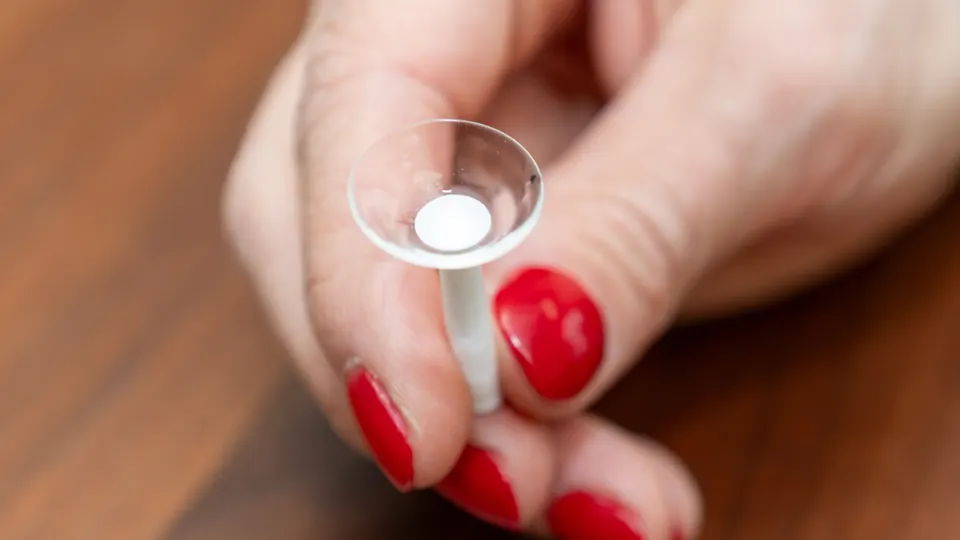
Using this highly detailed data, we design custom scleral lenses that neutralize those aberrations. The result? Vision that is often sharper, more natural, and more comfortable than patients thought possible.
Our Fitting Process at the Charlotte Contact Lens Institute
When we fit scleral lenses with Ovitz technology, the process includes:
- Baseline Aberrometry Scan – Mapping existing optical distortions in your vision.
- Custom Lens Design – Incorporating Pentacam AXL Wave data, scleral topography, and Ovitz HOA mapping.
- Verification – Testing the custom lens on-eye and fine-tuning for precision.
- Finalization – Creating your final HOA-correcting scleral lens.
This process takes a little more time than a standard scleral fitting, but the payoff is often life-changing clarity.
Who Benefits Most from Ovitz HOA-Correcting Lenses
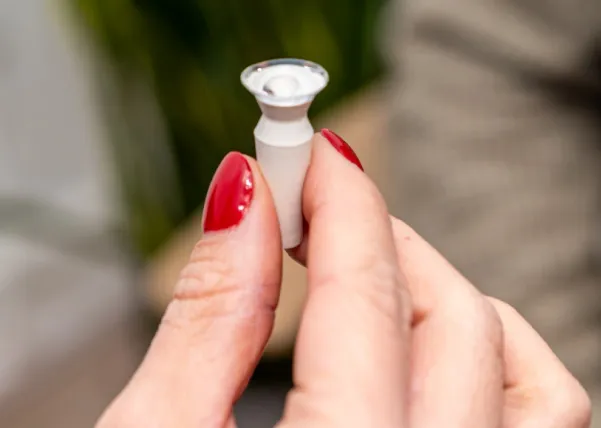
Patients who may see the biggest improvements include:
- Those with keratoconus or pellucid marginal degeneration
- Individuals with post-LASIK ectasia or post-RK distortions
- Patients with corneal transplant irregularities or corneal scarring
- Anyone struggling with glare, halos, or ghosting despite a good scleral lens fit
Frequently Asked Questions
Will I notice an immediate improvement with HOA correction?
Many patients notice dramatic changes right away. Others adapt gradually as the brain adjusts to sharper input.
How is this different from a regular scleral lens?
Standard scleral lenses smooth the corneal surface and correct basic vision errors. Ovitz HOA lenses go further, addressing microscopic distortions that standard optics cannot.
Does the fitting process take longer than normal?
Yes. Because extra measurements and follow-up visits are required, the process is more detailed—but the enhanced clarity is well worth it.
Looking for Clearer, More Comfortable Vision?
Whether you suffer from keratoconus, post-surgical corneal irregularities, severe dry eye, or are seeking pediatric myopia control, our doctors have the diagnostic technology and expertise to find the right solution for your eyes.