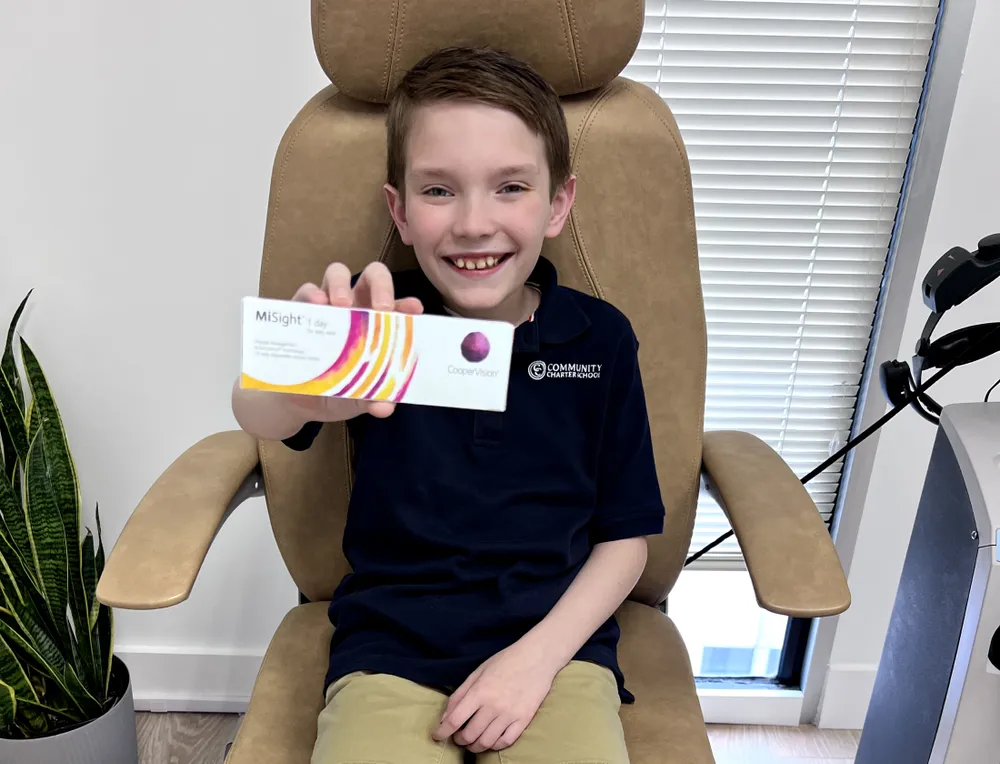
Irregular corneas can make everyday vision frustrating and unpredictable. Many patients struggle with blurry vision, glare, halos, or discomfort—even when wearing glasses or standard contact lenses.
As diagnostic technology and lens design continue to advance, specialty contact lenses are increasingly becoming the preferred solution for managing complex corneal conditions.
At the Charlotte Contact Lens Institute, we focus on customized lens designs that restore visual quality for patients who need more than traditional correction methods.
What Causes an Irregular Cornea?
An irregular cornea means the eye’s surface is uneven, preventing light from focusing properly on the retina. This condition may develop due to:
- Keratoconus or corneal ectasia
- Previous eye surgeries (LASIK, PRK, corneal transplants)
- Corneal scarring or trauma
- Degenerative corneal conditions
When the cornea loses its smooth shape, standard vision correction options often fall short.
Why Glasses and Soft Contacts Often Aren’t Enough
Glasses and soft contact lenses sit in front of—or directly on—the irregular corneal surface. As a result, they cannot fully compensate for surface distortions, leading to:
- Inconsistent vision clarity
- Poor night vision
- Visual fatigue
- Ongoing discomfort
This is where specialty lenses offer a significant advantage.
How Specialty Lenses Improve Vision for Irregular Corneas
Specialty contact lenses are designed to vault over or neutralize corneal irregularities, creating a smooth optical surface for light to pass through.
Key Benefits Include
- Sharper, more stable vision
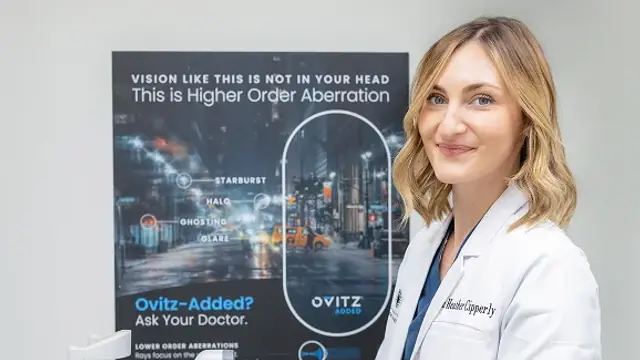
- Reduced glare and halos
- Improved contrast sensitivity
- Greater comfort for long-term wear
For patients with dryness or surface sensitivity, collaboration with a dry eye specialist is often an important part of achieving successful lens wear and long-term comfort.
Types of Specialty Lenses Commonly Used
Depending on the condition and severity, specialty lenses may include:
- Scleral lenses – Rest on the white of the eye and hold a tear reservoir
- Custom rigid gas-permeable lenses – Designed for precise optical correction
- Hybrid lenses – Combine a rigid center with a soft outer skirt
Each option is customized to the patient’s eye shape, visual needs, and lifestyle.
Why Specialty Lenses Are Gaining Popularity
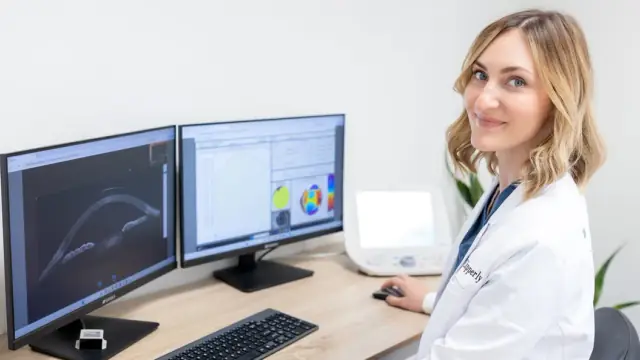
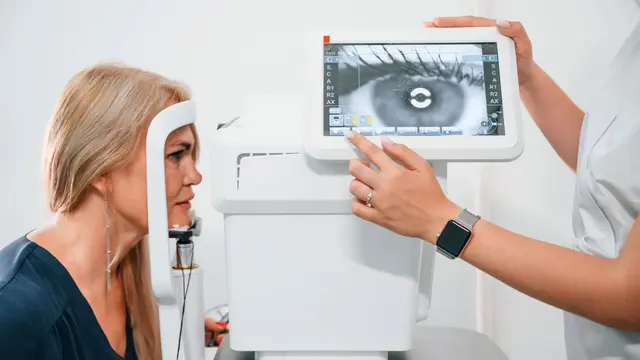
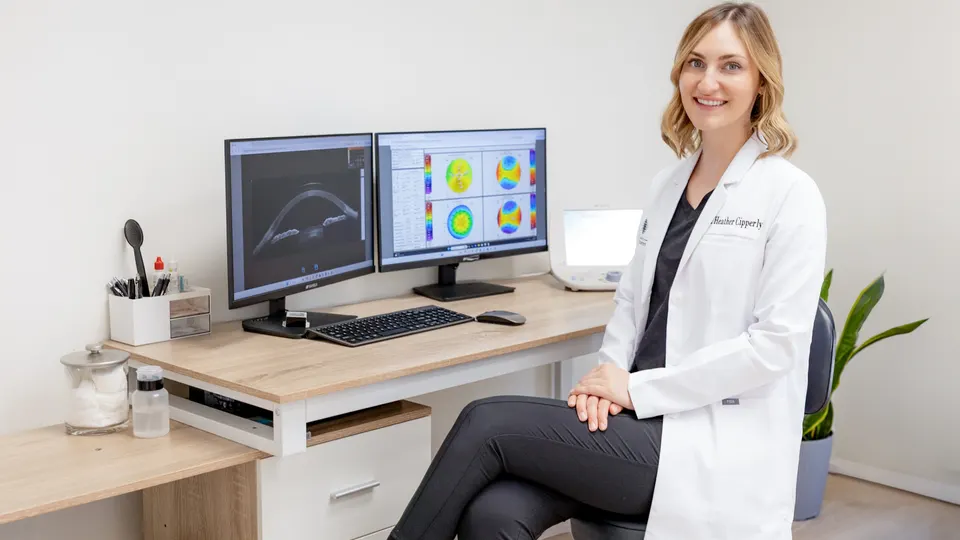
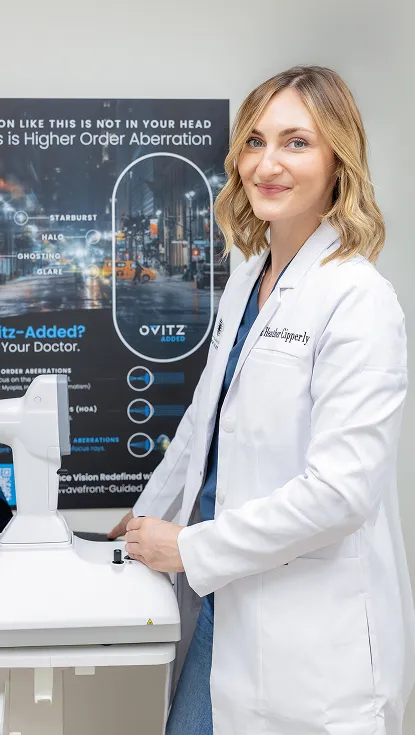
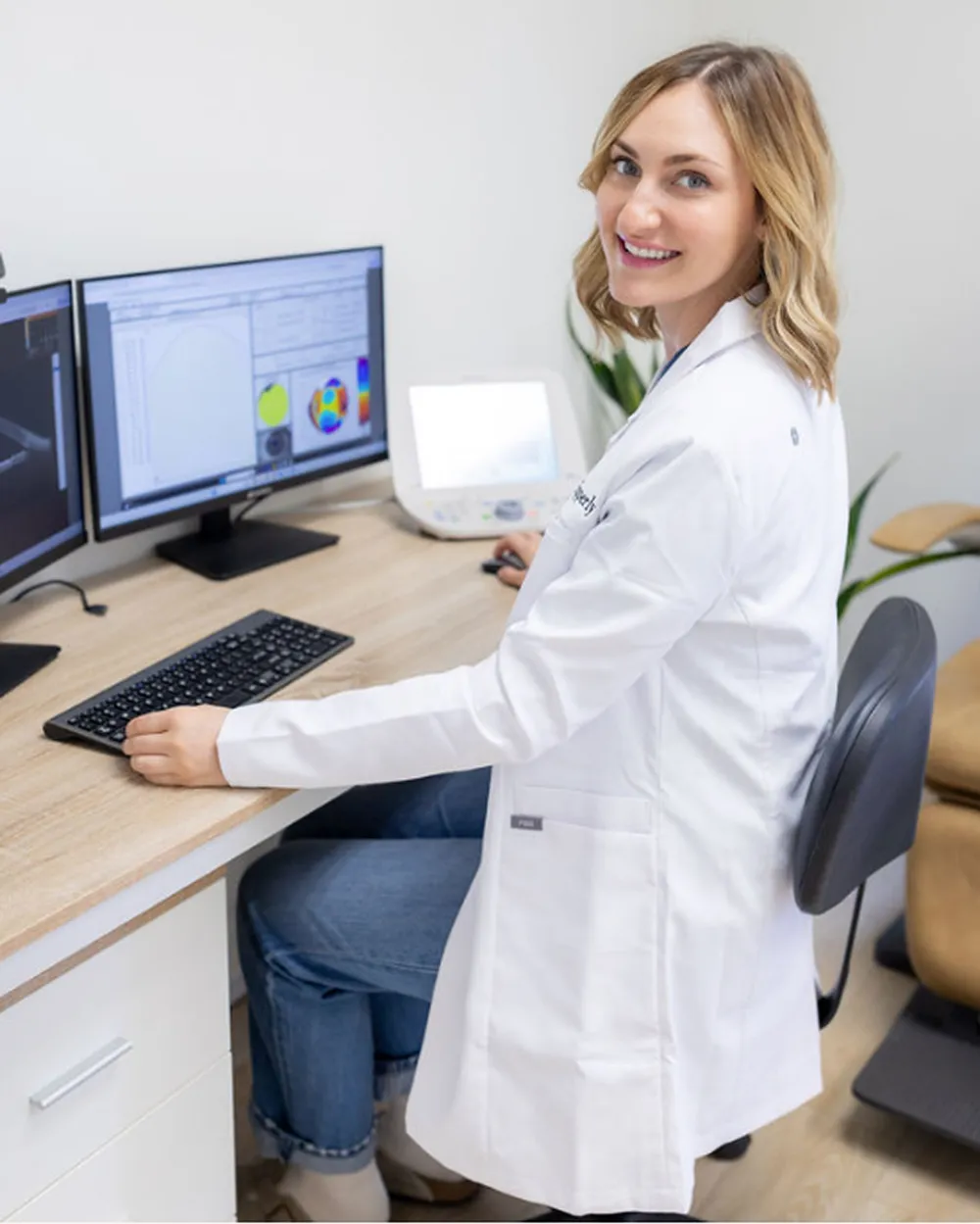
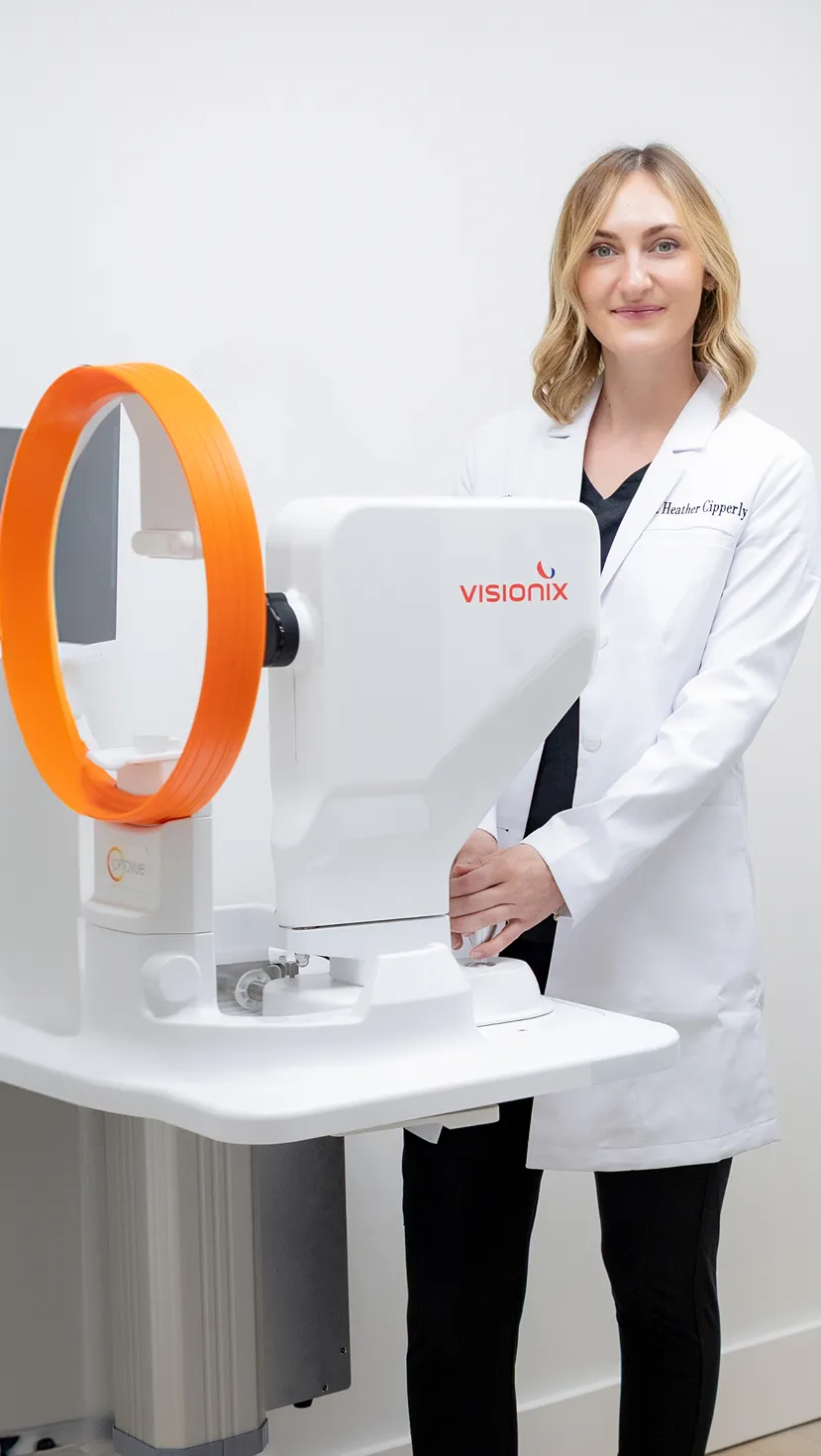
Advancements in diagnostic imaging—such as corneal topography, wavefront aberrometry, and scleral profilometry—allow for more precise lens designs than ever before.
These technologies make it possible to treat even highly irregular corneas with comfort and reliability, turning specialty lenses into a long-term vision solution rather than a last resort.
Who Should Consider Specialty Lenses?
You may benefit from a specialty lens evaluation if you experience:
- Blurry or distorted vision despite glasses
- Poor night driving vision
- Light sensitivity or halos
- Discomfort with standard contacts
- Vision problems after eye surgery
A comprehensive evaluation helps determine the most effective approach for your individual eyes.
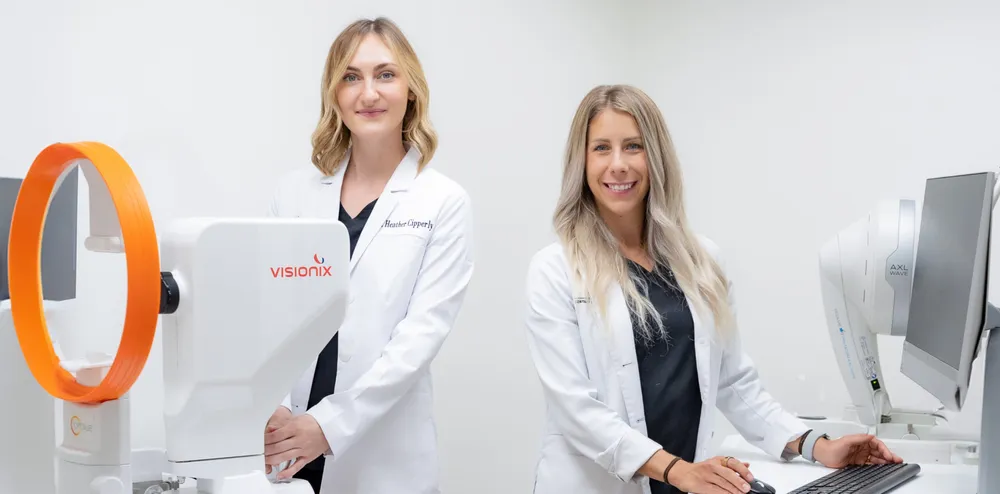
Why Choose the Charlotte Contact Lens Institute
Our practice is dedicated exclusively to specialty contact lenses and complex corneal conditions.
Through advanced diagnostics and personalized fittings, we help patients achieve clearer, more comfortable vision—even when other options have failed.

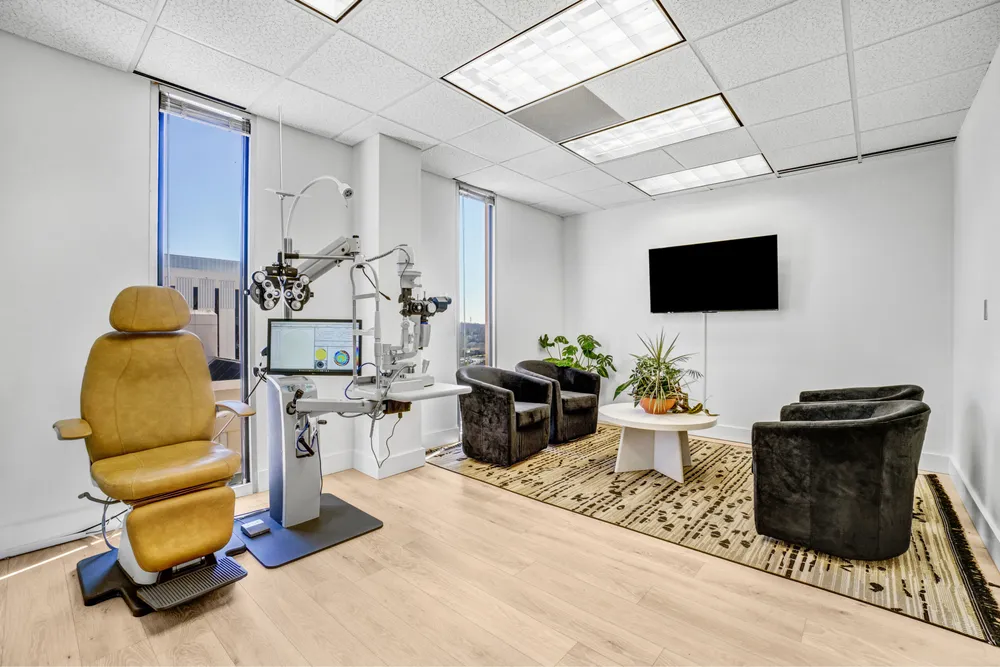
Frequently Asked Questions
What are specialty contact lenses?
Specialty contact lenses are custom-designed lenses created for eyes with irregular shapes or complex vision needs. They provide clearer, more stable vision than standard glasses or soft contact lenses.
Why are specialty lenses better for irregular corneas?
Irregular corneas prevent light from focusing properly on the retina. Specialty lenses create a smooth optical surface, helping reduce distortion, glare, and fluctuating vision.
Are specialty lenses comfortable to wear?
Yes. When properly fitted, many specialty lenses—especially scleral lenses—are comfortable for all-day wear because they rest on the white of the eye and maintain a hydrated environment.
Can specialty lenses help after LASIK or other eye surgery?
Yes. Many patients with post-surgical visual changes benefit from specialty lenses, as they correct irregularities that glasses cannot address.
Do specialty lenses help with dry eye symptoms?
In many cases, yes. Some specialty lenses hold a layer of fluid over the eye, which can improve comfort. Coordination with a dry eye specialist is often helpful for managing underlying surface issues.
How do I know if I need specialty contact lenses?
If you experience distorted vision, glare, poor night vision, or discomfort with standard lenses, a specialty lens evaluation can determine the best solution for your eyes.
Looking for Clearer, More Comfortable Vision?
Whether you suffer from keratoconus, post-surgical corneal irregularities, severe dry eye, or are seeking pediatric myopia control, our doctors have the diagnostic technology and expertise to find the right solution for your eyes.