

Is Keratoconus Becoming More Common, and Why Haven’t I Heard of It Before?
Many patients feel surprised when they are diagnosed with keratoconus. A common reaction is, “Why haven’t I heard of this condition before?” Although keratoconus has existed for many years, awareness about it has grown only recently as diagnostic technology and specialty eye care have improved.
Today, earlier detection and better understanding of corneal diseases have made keratoconus diagnosis and treatment more accessible than ever before. As a result, more patients are being identified and treated before the condition significantly affects their vision.
- What Is Keratoconus?
Keratoconus is a progressive eye condition where the cornea gradually thins and bulges outward into a cone-like shape. This change alters how light enters the eye, leading to distorted or blurred vision.
In early stages, symptoms may appear mild and similar to common refractive errors. However, as the cornea becomes more irregular, glasses often stop providing clear vision.
Common symptoms include:
- Increasing nearsightedness or astigmatism
- Blurred or distorted vision
- Sensitivity to light
- Halos or glare around lights
- Frequent changes in eyeglass prescriptions
Because symptoms develop gradually, many patients may not realize they have keratoconus until a detailed eye exam is performed.
- Why Keratoconus Is Being Diagnosed More Often
It may seem like keratoconus is becoming more common, but the reality is that detection has improved significantly. Modern corneal imaging technologies allow eye care providers to identify subtle corneal changes earlier than before.
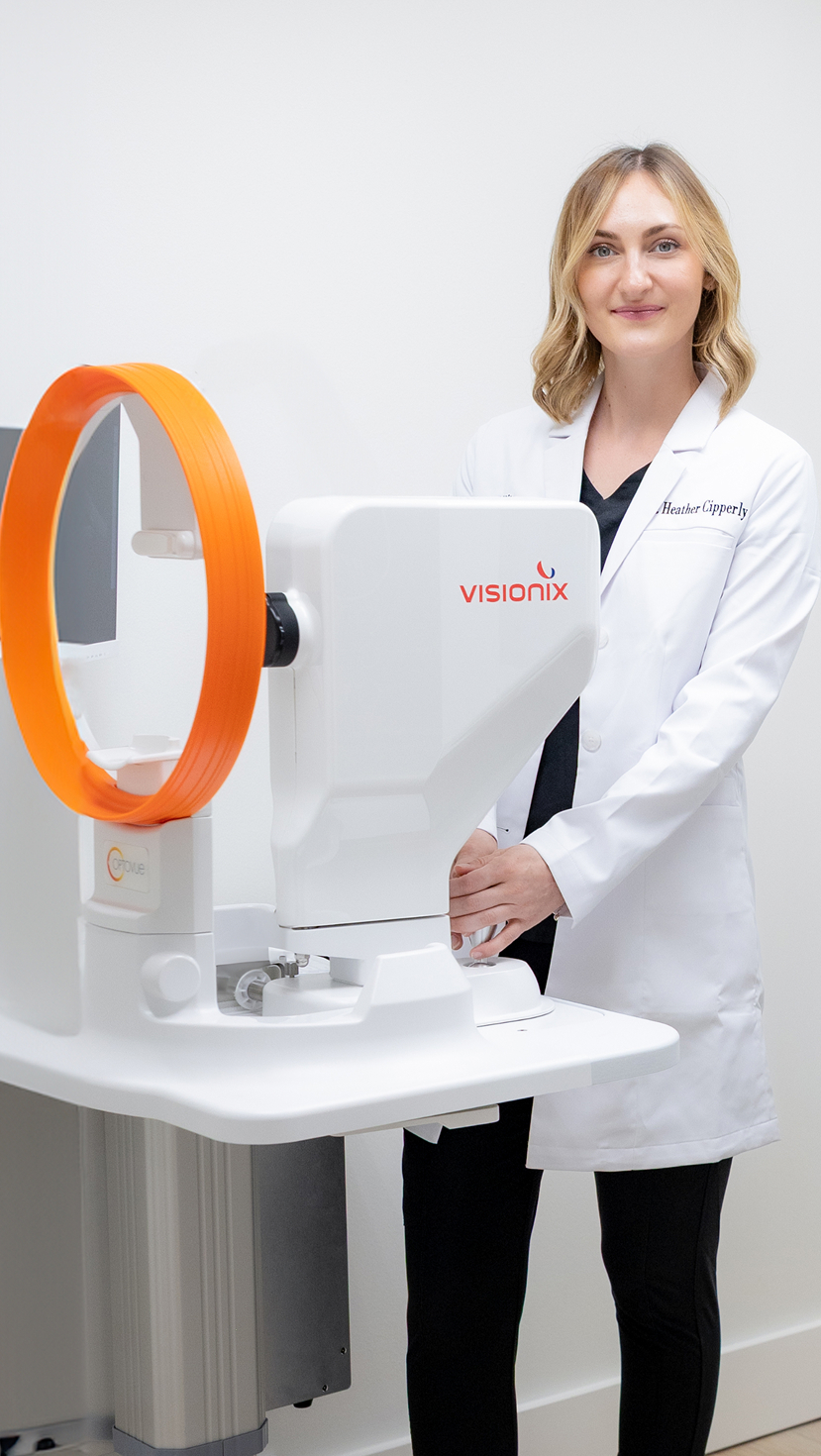
Tools such as corneal topography and tomography can map the shape and thickness of the cornea with high precision. These advancements make keratoconus diagnosis and treatment possible even in the earliest stages, when symptoms may still be minimal.
In the past, many cases were simply labeled as “irregular astigmatism” because the condition could not be clearly detected.

- Risk Factors That May Contribute to Keratoconus
Although the exact cause is not fully understood, several factors are believed to contribute to the development of keratoconus.
Possible risk factors include:
- Genetic predisposition
- Chronic eye rubbing
- Allergies or eye irritation
- Connective tissue disorders
Because the condition often begins during teenage years or early adulthood, early screening is especially important for individuals with a family history of corneal disease.
- Modern Treatment Options
The good news is that advances in eye care have significantly improved outcomes for patients with keratoconus. Early intervention helps preserve vision and prevent progression.
Treatment approaches may include:
Specialty Contact Lenses
Custom-designed lenses such as scleral or gas permeable lenses create a smooth optical surface over the irregular cornea, dramatically improving vision clarity.
Corneal Cross-Linking
Cross-linking is a procedure that strengthens the corneal tissue and helps slow or stop the progression of the disease.
Advanced Diagnostic Monitoring
Regular imaging allows eye care providers to track subtle changes in corneal shape and adjust treatment plans accordingly.
With modern keratoconus diagnosis and treatment, many patients can maintain stable vision and continue normal daily activities without requiring invasive surgery.
- Why Awareness Matters
Despite growing awareness among eye care professionals, keratoconus is still relatively unknown to the general public. Because symptoms can resemble common vision problems, many patients do not realize they have the condition until it progresses.
Routine eye examinations that include corneal imaging can help detect the condition early. Early identification allows patients to access modern treatments that protect long-term vision.


- Frequently Asked Questions
What is keratoconus?
Keratoconus is a progressive eye condition where the cornea becomes thinner and gradually bulges outward into a cone shape. This change can cause blurred or distorted vision and increased sensitivity to light.
Why are more people being diagnosed with keratoconus today?
Improved diagnostic technology such as corneal topography and tomography allows eye care professionals to detect the condition much earlier. Because of these tools, keratoconus diagnosis and treatment can begin before vision problems become severe.
At what age does keratoconus usually start?
Keratoconus often begins during the teenage years or early adulthood. However, the condition may not be diagnosed until later if symptoms develop slowly.
Can keratoconus be cured?
Currently, there is no permanent cure for keratoconus. However, modern keratoconus diagnosis and treatment methods—such as specialty contact lenses and corneal cross-linking—can effectively manage the condition and preserve vision.
How is keratoconus diagnosed?
Eye doctors typically use specialized imaging tools that map the shape and thickness of the cornea. These scans help detect early changes and guide appropriate treatment recommendations.
Do all keratoconus patients need surgery?
No. Many patients achieve clear, stable vision using specialty contact lenses such as scleral or gas permeable lenses. Surgical procedures are generally considered only in advanced cases.
Can early detection improve outcomes?
Yes. Early diagnosis allows doctors to monitor the condition closely and recommend treatments that slow progression, helping patients maintain better long-term vision.