Not all vision problems can be corrected with glasses or standard contact lenses. Many patients continue to experience glare, halos, ghosting, or reduced contrast—even when their prescription seems accurate.
This is where Higher-Order Aberration (HOA) mapping plays a critical role in advanced contact lens fitting.
At the Charlotte Contact Lens Institute, we use HOA mapping to design highly customized lenses for patients with complex visual needs, including irregular corneas and post-surgical vision changes.
What Are Higher-Order Aberrations (HOAs)?
Higher-order aberrations are subtle distortions in the eye’s optical system that cannot be corrected with standard glasses or soft contact lenses.
Unlike basic nearsightedness or astigmatism, HOAs affect how light is scattered inside the eye, leading to:
- Halos around lights
- Night vision difficulties
- Reduced contrast sensitivity
- Double or ghost images
- Visual fatigue
These symptoms are especially common in patients with corneal irregularities or a history of refractive surgery.
What Is HOA Mapping?
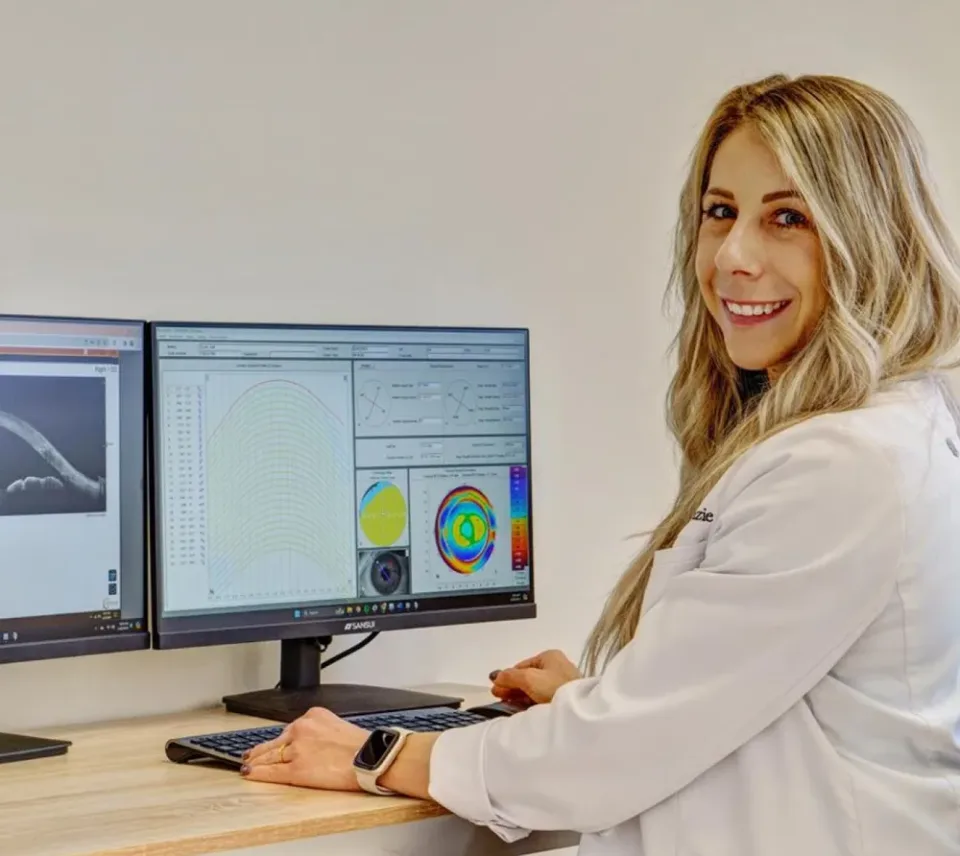
HOA mapping uses advanced wavefront aberrometry to measure how light travels through the eye.
This technology creates a detailed optical fingerprint, identifying distortions that traditional eye exams cannot detect.
By analyzing these measurements, eye care specialists can design lenses that compensate for both lower- and higher-order aberrations—resulting in sharper, more stable vision.
Why HOA Mapping Matters in Advanced Contact Lens Fitting
Advanced contact lenses are not one-size-fits-all. HOA mapping allows for:
More Precise Optical Correction
Customized lens designs can reduce glare, halos, and distortion that persist despite a clear prescription.
Improved Night and Low-Light Vision
HOA-guided lenses significantly enhance contrast and visual quality in challenging lighting conditions.
Better Outcomes for Irregular Corneas
Patients with keratoconus, ectasia, or corneal scarring benefit greatly from wavefront-guided customization.
HOA Mapping for Post-LASIK Patients
Many patients experience lingering visual symptoms years after LASIK—even when their vision tests “20/20.”
HOA mapping helps identify subtle distortions caused by surgical corneal reshaping.
For these individuals, customized lens designs—including post lasik specialty lenses—can significantly improve clarity by addressing optical imperfections that glasses cannot fix.
Lens Types That Benefit From HOA Mapping
HOA mapping is commonly used when designing:
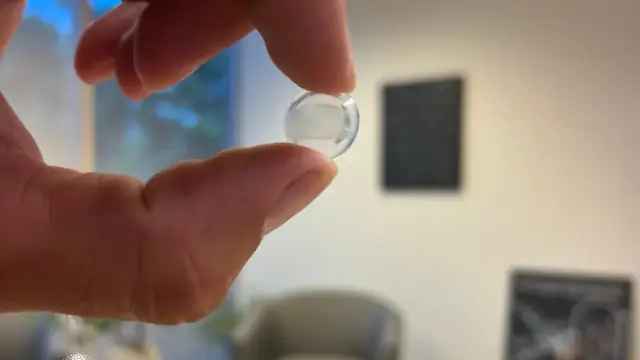
- Scleral lenses
- Custom rigid gas-permeable lenses
- Wavefront-guided specialty lenses
- Lenses for post-surgical or irregular corneas
Each lens is tailored to the patient’s unique optical profile rather than relying on standard measurements alone.

How We Use HOA Mapping at the Charlotte Contact Lens Institute
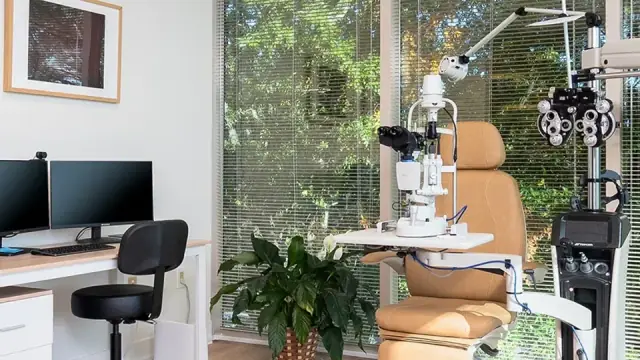
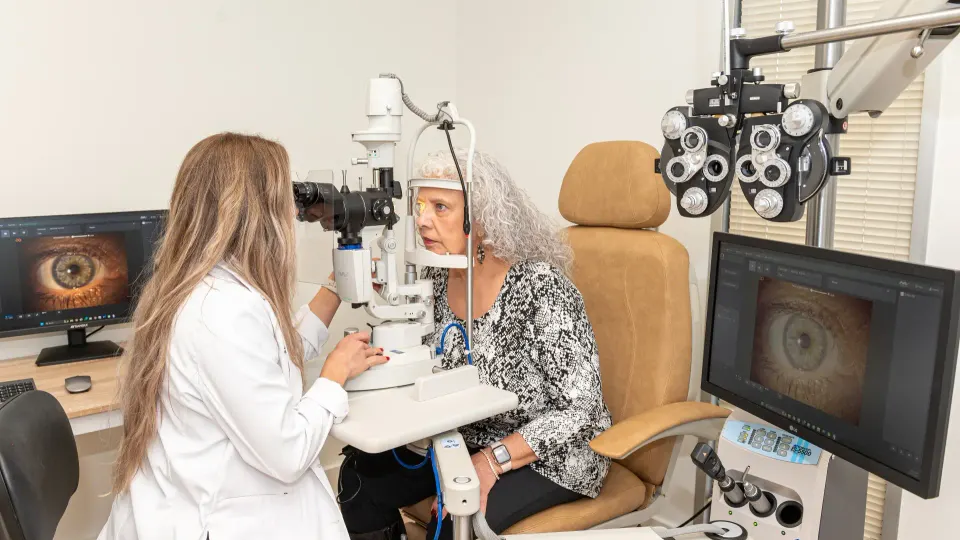
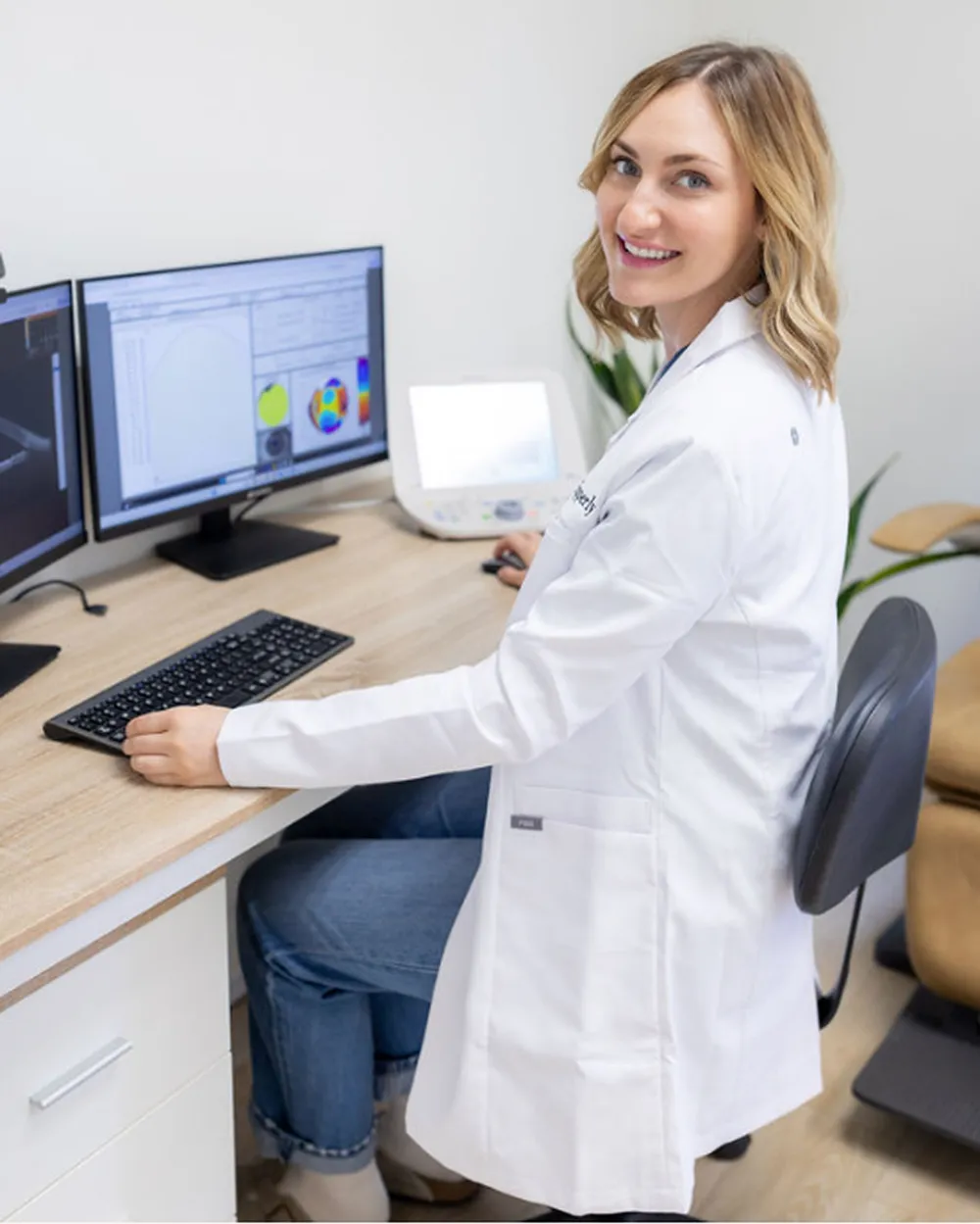
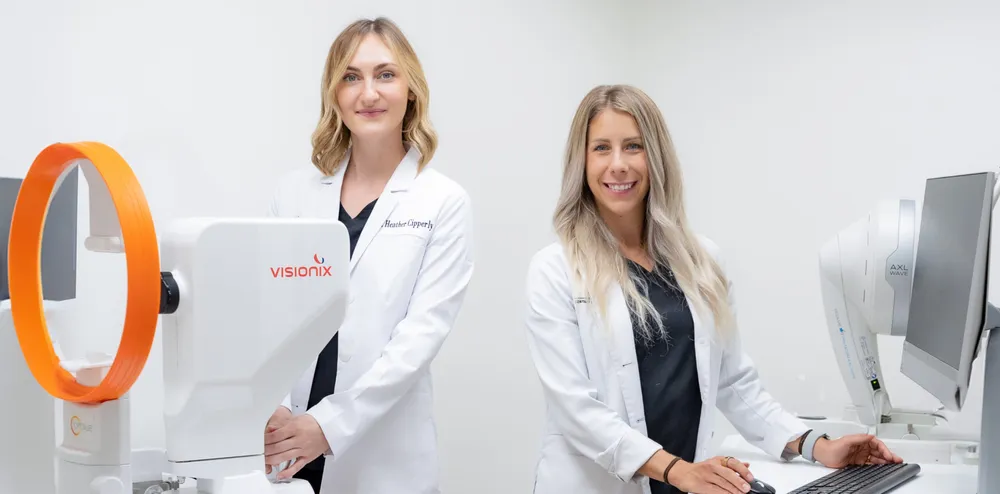
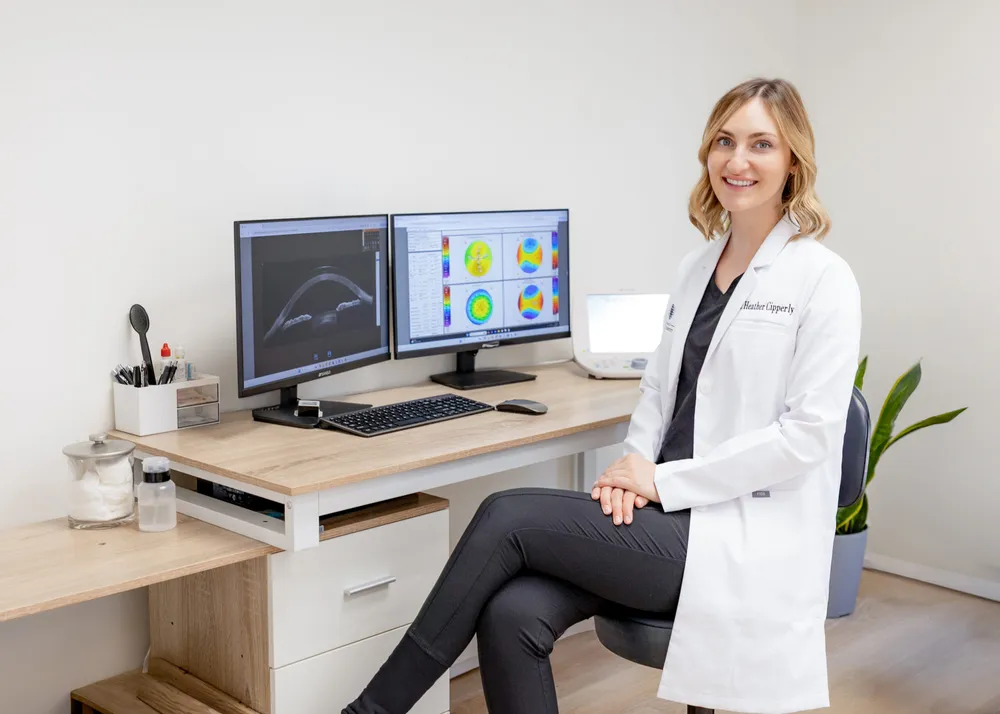
Our clinic integrates HOA data with other advanced diagnostics such as:
- Corneal topography
- Scleral profilometry
- Pentacam AXL Wave imaging
This comprehensive approach allows us to design lenses that improve not just vision—but overall visual comfort and quality of life.
Who Should Consider HOA-Guided Lens Fitting?
You may benefit from HOA mapping if you experience:
- Persistent glare or halos
- Poor night vision
- Visual distortion despite clear prescriptions
- Symptoms after LASIK or other eye surgery
- Irregular corneal conditions
A specialized evaluation can determine whether HOA-guided lenses are right for you.
Frequently Asked Questions
What is HOA mapping and why is it important?
HOA mapping measures higher-order aberrations—visual distortions that glasses and standard contacts cannot correct. This data helps design advanced lenses that improve clarity, contrast, and night vision.
Can HOA mapping improve vision even if my prescription is correct?
Yes. Many patients have a “correct” prescription but still experience glare, halos, or ghosting. HOA mapping identifies subtle optical errors that affect visual quality beyond standard measurements.
Who benefits most from HOA-guided contact lenses?
Patients with irregular corneas, keratoconus, post-surgical vision changes, or ongoing visual disturbances often benefit the most from HOA-guided lens design.
Is HOA mapping helpful after LASIK surgery?
Yes. HOA mapping is especially valuable for patients with post-surgical visual symptoms. It allows for precise customization of lenses, including post lasik specialty lenses, to address distortions that glasses cannot correct.
Does HOA mapping replace corneal topography?
No. HOA mapping complements corneal topography. Together, they provide a complete picture of both the eye’s shape and optical performance.
Are HOA-guided lenses comfortable to wear?
When properly designed and fitted, HOA-guided lenses—such as scleral or custom rigid lenses—are typically very comfortable and suitable for long-term wear.
Looking for Clearer, More Comfortable Vision?
Whether you suffer from keratoconus, post-surgical corneal irregularities, severe dry eye, or are seeking pediatric myopia control, our doctors have the diagnostic technology and expertise to find the right solution for your eyes.