For patients with complex corneal conditions, specialty contact lenses can make a life-changing difference. Over the years, lens technology has evolved significantly, offering more precise customization and improved comfort. Today, patients often ask about the difference between traditional designs and newer free-form manufacturing methods.
Understanding how these two approaches differ can help patients make informed decisions about their eye care.
What Are Traditional Scleral Lenses?
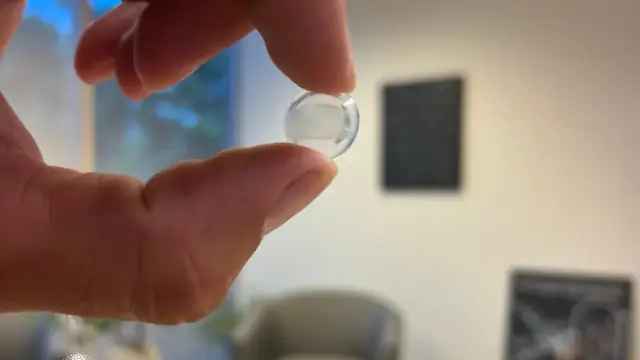
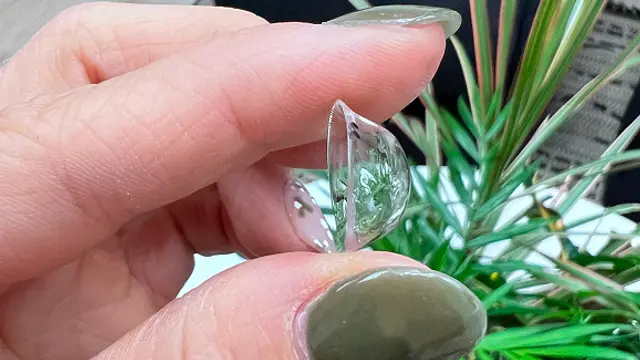
Traditional scleral lenses are large-diameter gas permeable lenses designed to vault over the cornea and rest on the sclera (the white part of the eye). A fluid reservoir between the lens and the cornea helps improve vision while protecting the eye’s surface.
These lenses are especially beneficial for patients with:
- Keratoconus
- Corneal scarring
- Post-surgical irregularities
- Severe dry eye disease
Traditional manufacturing methods rely on standardized parameter sets. While they can be customized to a degree, adjustments are typically made in stepwise increments.
What Is Free-Form Scleral Lens Technology?
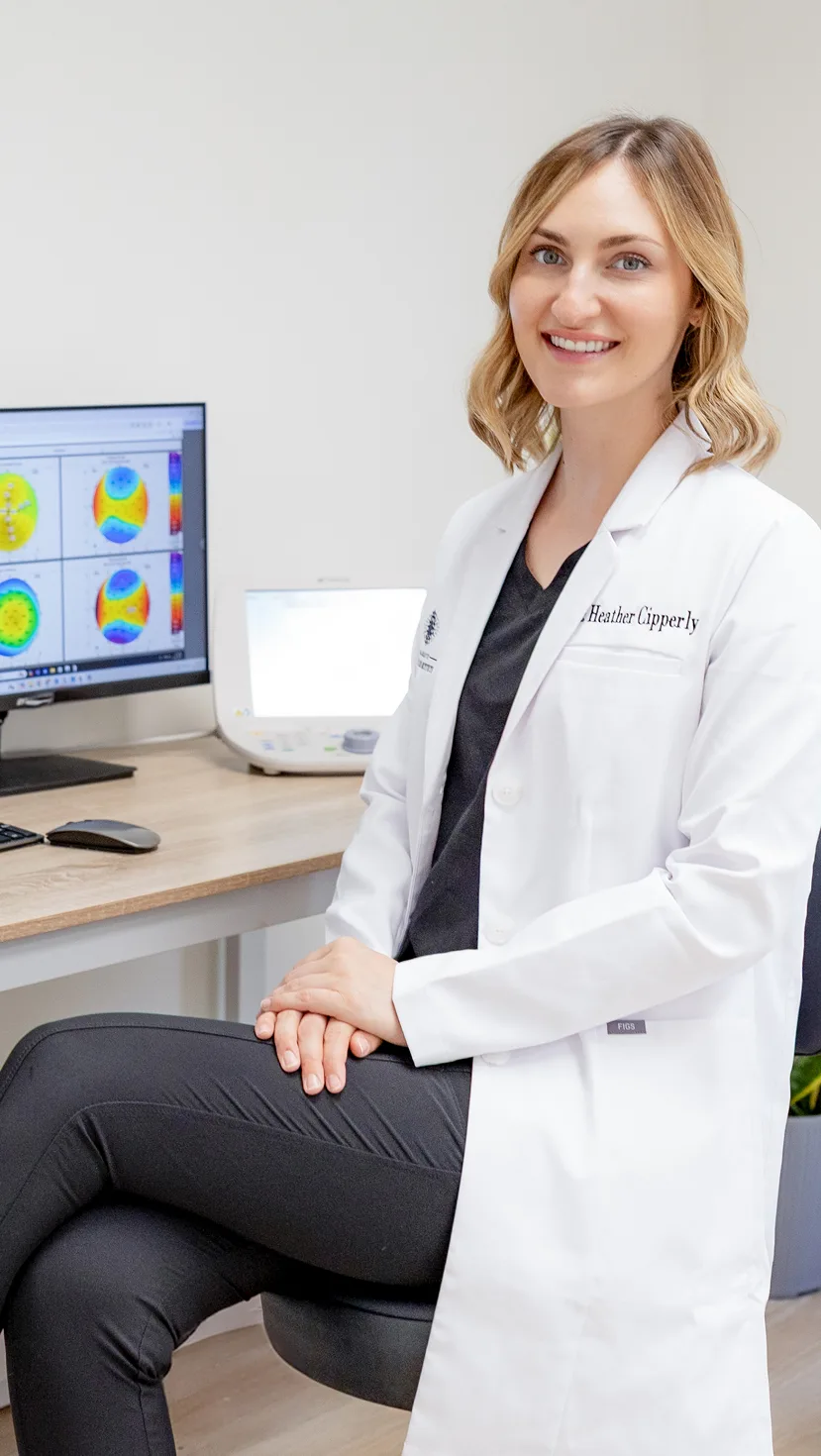
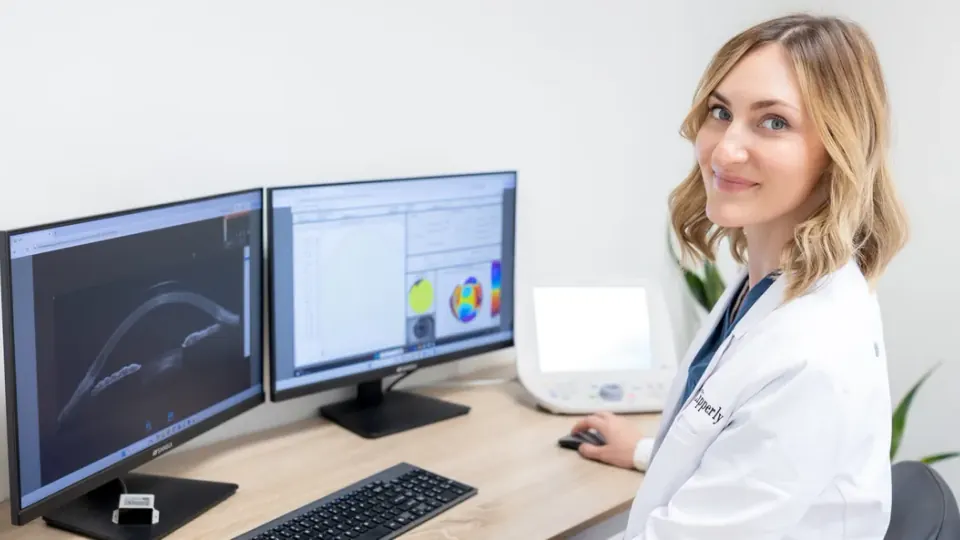
Free-form technology represents a more advanced manufacturing approach. Instead of relying on pre-set curves and incremental modifications, digital lathing and high-resolution corneal mapping allow laboratories to design lenses with highly precise, patient-specific geometry.
This technology enables:
- More refined edge alignment
- Better scleral contour matching
- Reduced need for multiple trial lenses
- Enhanced optical correction
By incorporating digital scanning and advanced modeling, free-form lenses can address subtle irregularities that traditional designs may not fully capture.
Key Differences Between Traditional and Free-Form Designs
- Customization Level
- Fitting Efficiency
- Optical Performance
- Comfort and Stability
Who May Benefit from Free-Form Technology?
Patients with advanced corneal irregularities, previous unsuccessful fittings, or highly asymmetrical scleral shapes may particularly benefit from digital free-form customization. However, traditional designs remain effective for many individuals and may be sufficient depending on the clinical presentation.
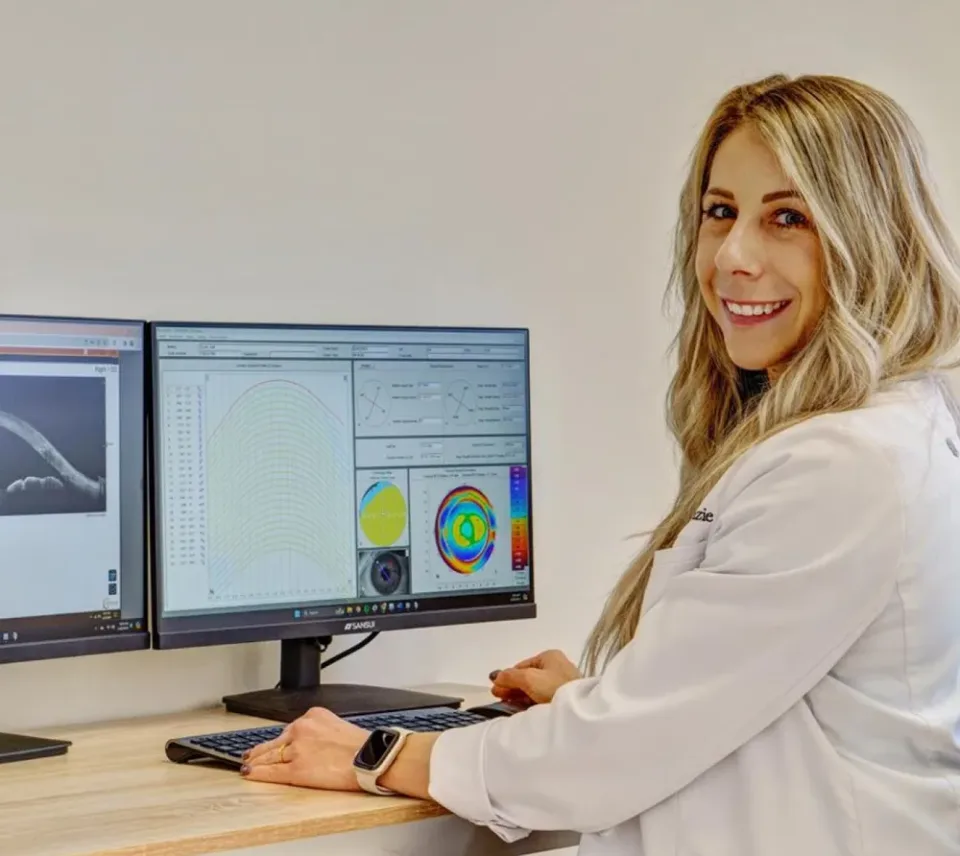
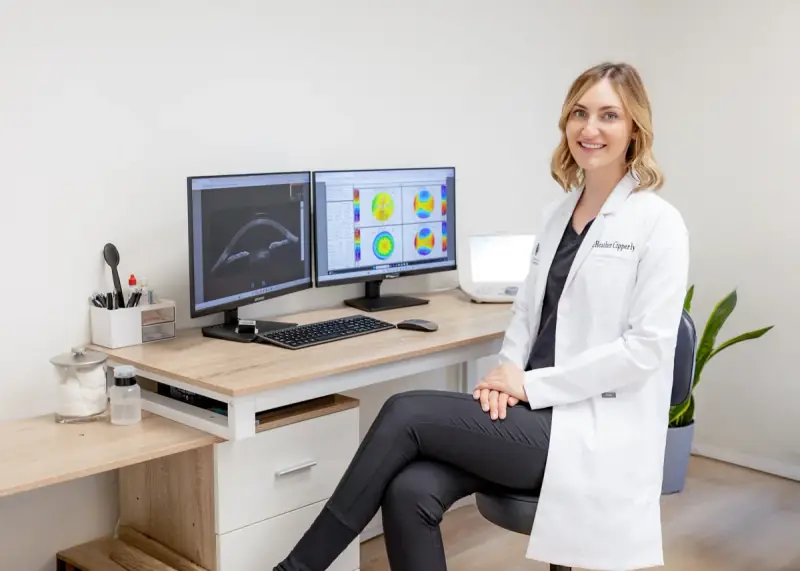
A comprehensive evaluation with advanced corneal imaging helps determine the most appropriate approach.
Why Technology Matters in Specialty Lens Care
The evolution from conventional manufacturing to digitally guided production reflects a broader shift in eye care toward precision medicine. While both traditional and free-form designs serve important roles, the choice often depends on the complexity of the eye and the practitioner’s fitting expertise.
Modern advancements allow eye care providers to deliver increasingly tailored solutions, improving both visual outcomes and overall patient experience.
Frequently Asked Questions
1. What are scleral lenses used for?
Scleral lenses are designed to treat complex corneal conditions such as keratoconus, corneal scarring, post-surgical irregularities, and severe dry eye disease. They vault over the cornea and create a fluid-filled reservoir that improves vision and protects the eye’s surface.
2. What is the difference between traditional and free-form scleral lenses?
Traditional designs are made using standardized parameter adjustments, while free-form technology uses digital mapping and advanced manufacturing to create highly customized lenses with more precise alignment and optical correction.
3. Are free-form lenses more comfortable than traditional designs?
Both options can be comfortable when properly fitted. However, free-form technology may improve edge alignment and stability, which can enhance comfort for patients with highly irregular scleral shapes.
4. Do free-form scleral lenses provide better vision?
In many complex cases, the advanced customization of free-form designs may improve optical performance. However, traditional lenses can also deliver excellent vision for many patients depending on their specific eye condition.
5. How long does it take to get fitted?
The fitting process varies by patient. Traditional fittings may require multiple trial lenses, while digitally designed lenses sometimes reduce the number of adjustments needed. A comprehensive eye evaluation determines the best approach.
6. Are scleral lenses safe for long-term use?
Yes. When properly fitted and maintained, they are considered safe for long-term wear. Regular follow-up visits are important to monitor eye health and ensure continued comfort.
7. How long do these lenses last?
With proper care, they can last several years. Longevity depends on prescription stability, lens material, and how well they are maintained.
Looking for Clearer, More Comfortable Vision?
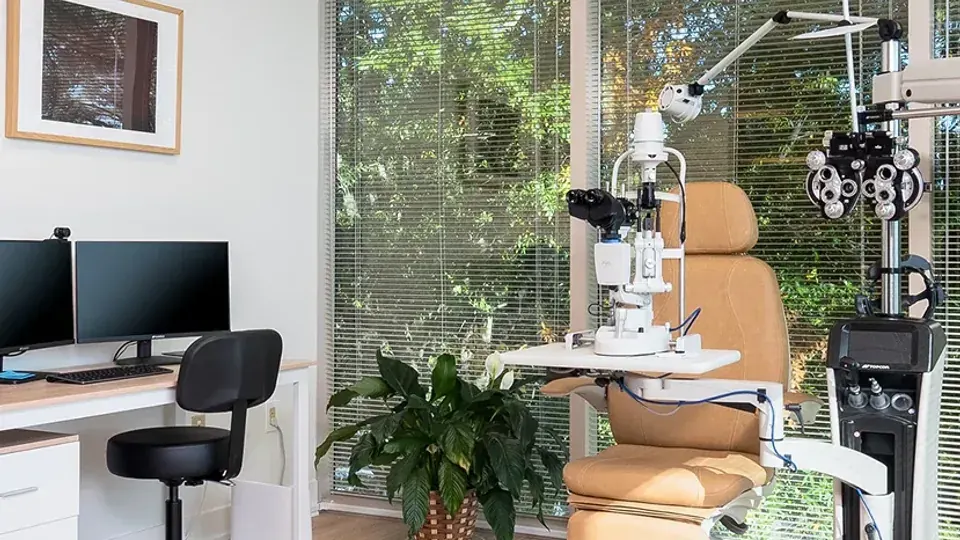
Whether you suffer from keratoconus, post-surgical corneal irregularities, severe dry eye, or are seeking pediatric myopia control, our doctors have the diagnostic technology and expertise to find the right solution for your eyes.