Gas permeable (GP) lenses have long been used to correct complex vision problems, especially for patients with irregular corneas. While GP lenses can provide sharp vision, many patients eventually look for alternatives due to comfort issues or lifestyle limitations.
This is one of the main reasons why more people transition to scleral lenses over time.
At the Charlotte Contact Lens Institute, we frequently help patients who previously wore GP lenses and are now seeking improved comfort, stability, and overall visual quality.
Understanding GP Lenses
GP lenses are small, rigid lenses that sit directly on the cornea. They correct vision by creating a smooth refractive surface, which can be very effective for conditions like keratoconus or corneal irregularity.
However, because GP lenses rest on the sensitive cornea, some patients experience:
- Lens awareness or discomfort
- Frequent lens movement
- Sensitivity to dust or wind
- Difficulty wearing lenses for long hours
While GP lenses work well for many people, they are not always ideal for long-term comfort.
What Makes Scleral Lenses Different?
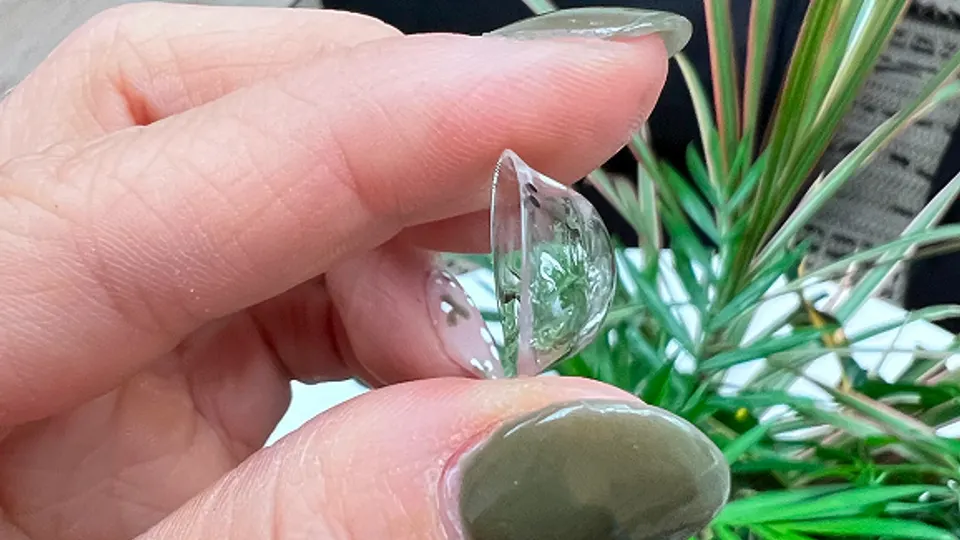
Scleral lenses are larger in diameter and rest on the sclera (the white part of the eye) rather than the cornea. They vault completely over the corneal surface and hold a reservoir of fluid underneath.
This design allows scleral lenses to:
- Reduce irritation caused by corneal contact
- Provide more stable, consistent vision
- Improve comfort throughout the day
- Protect the cornea from dryness and exposure
Because of these benefits, many patients find scleral lenses easier to tolerate than traditional GP lenses.

Why Patients Often Switch from GP to Scleral Lenses
Once diagnostic data is collected, it is sent to specialized laboratories where advanced software and precision manufacturing take over.
Improved Comfort
One of the most common reasons for switching is comfort. Since scleral lenses do not touch the cornea, they are often more comfortable—especially for patients with sensitive or irregular corneas.
More Stable Vision
GP lenses can shift or dislodge during blinking or physical activity. Scleral lenses tend to remain stable, providing clearer and more predictable vision.
Better for Dry Eye and Surface Issues
The fluid reservoir beneath a scleral lens helps keep the eye hydrated, which is especially beneficial for patients who struggle with dryness.
Better Long-Term Wear
Many patients who compare scleral lenses vs gp lenses notice that scleral designs allow for longer, more comfortable wearing times without irritation.
Who Is a Good Candidate for Switching to Scleral Lenses?
Patients may benefit from scleral lenses if they:
- Experience discomfort with GP lenses
- Have irregular corneas or keratoconus
- Struggle with dry eye symptoms
- Need more stable vision for daily activities
- Have difficulty wearing lenses for extended periods
A comprehensive specialty lens evaluation helps determine whether scleral lenses are the best option.
Why Choose the Charlotte Contact Lens Institute
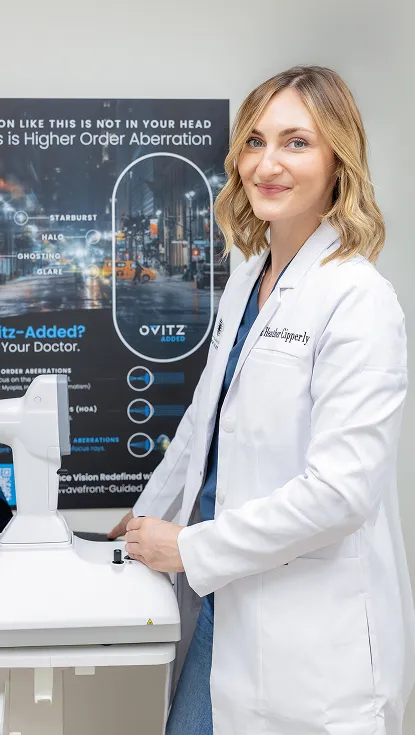
Our practice is dedicated to specialty contact lenses and complex corneal conditions.
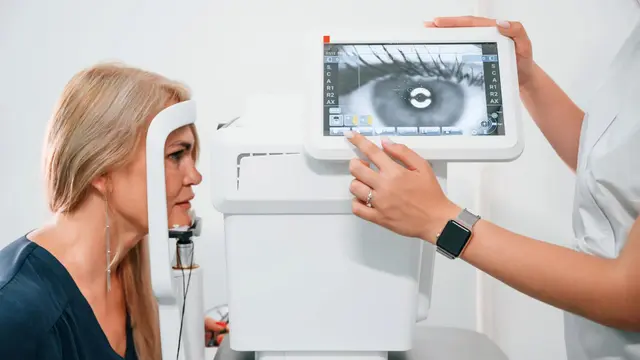
Using advanced diagnostic technology and customized lens designs, we help patients transition smoothly from GP lenses to scleral lenses with improved comfort and visual performance.

Frequently Asked Questions
Why do GP lenses sometimes become uncomfortable over time?
GP lenses rest directly on the cornea, which can lead to increased lens awareness, irritation, or sensitivity—especially if the cornea becomes more irregular or dry over time.
Are scleral lenses more comfortable than GP lenses?
For many patients, yes. Scleral lenses rest on the white part of the eye and vault over the cornea, which often results in greater comfort and less irritation during daily wear.
Do scleral lenses provide better vision than GP lenses?
Both lens types can offer excellent vision. However, scleral lenses often provide more stable and consistent vision, especially for patients with irregular corneas or fluctuating vision.
Is switching from GP lenses to scleral lenses difficult?
Most patients adapt quickly. With proper fitting and guidance, the transition is usually smooth and comfortable.
Can scleral lenses help with dry eye symptoms?
Yes. Scleral lenses hold a fluid reservoir against the eye, which can significantly improve comfort for patients with dryness or surface irritation.
How do I know if scleral lenses are right for me?
If you experience discomfort, unstable vision, or limited wearing time with GP lenses, a specialty lens evaluation can help determine whether scleral lenses are a better option.
Looking for Clearer, More Comfortable Vision?
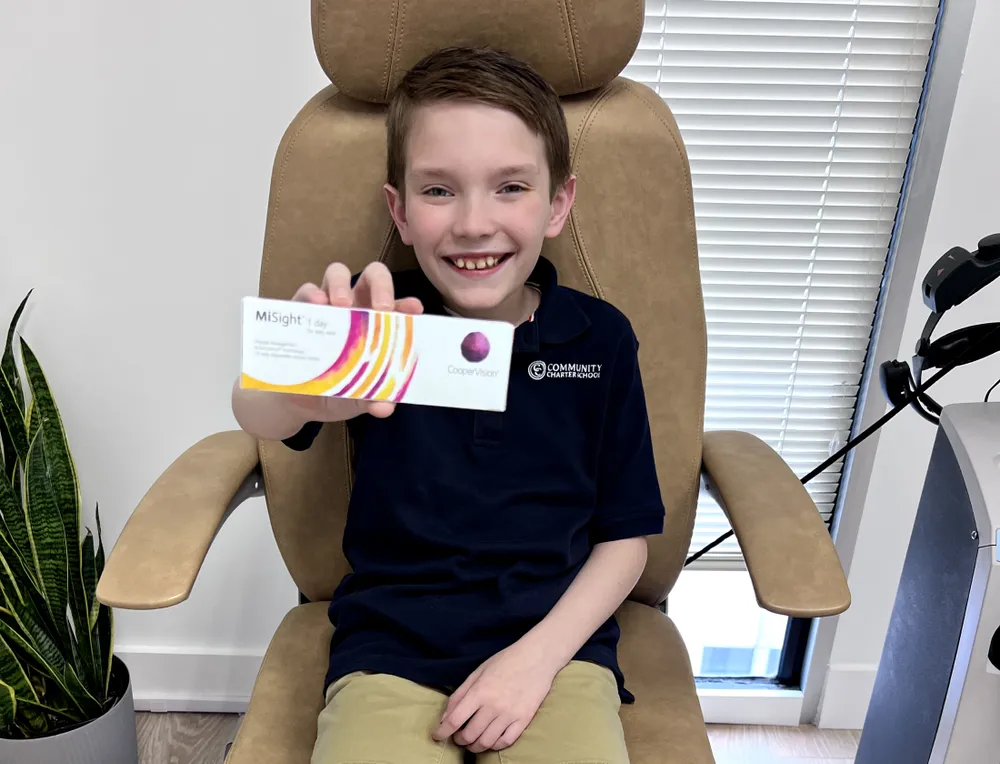
Whether you suffer from keratoconus, post-surgical corneal irregularities, severe dry eye, or are seeking pediatric myopia control, our doctors have the diagnostic technology and expertise to find the right solution for your eyes.