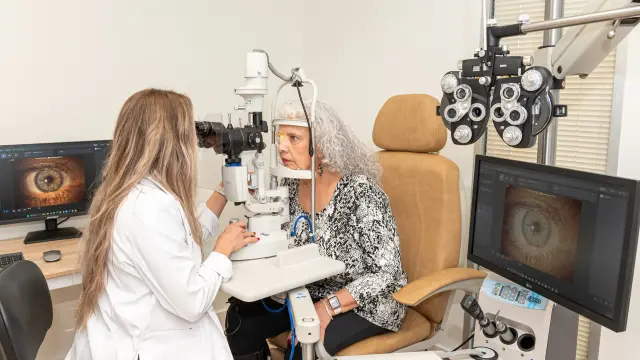
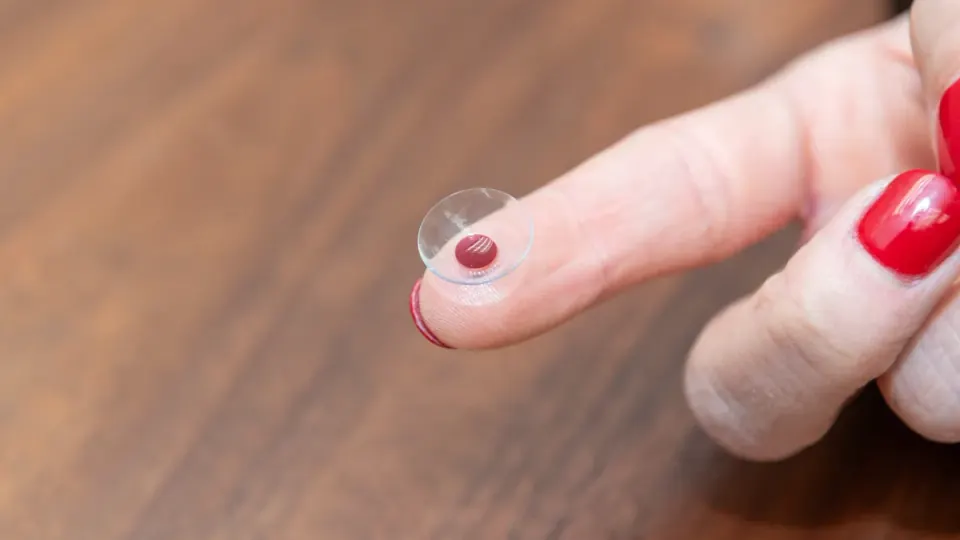

When standard glasses or soft contact lenses no longer provide clear vision, specialty contact lenses often become the next step. Patients with keratoconus, irregular corneas, severe dry eye, or post-surgical vision issues are commonly introduced to two popular options: GP lenses and scleral lenses.
While both lens types can significantly improve vision, they work differently and offer unique benefits. Understanding the differences can help patients choose the solution that best matches their visual needs and lifestyle.
What Are GP Lenses?
Gas permeable (GP) lenses are small, rigid lenses that rest directly on the cornea. Their firm surface helps mask corneal irregularities and creates a smoother optical surface for clearer vision.
GP lenses are often recommended for:
- Mild to moderate keratoconus
- Irregular astigmatism
- Patients seeking sharp visual correction
- Individuals who tolerate smaller rigid lenses well
Because GP lenses sit directly on the cornea, some patients require an adjustment period before they become comfortable.
What Are Scleral Lenses?
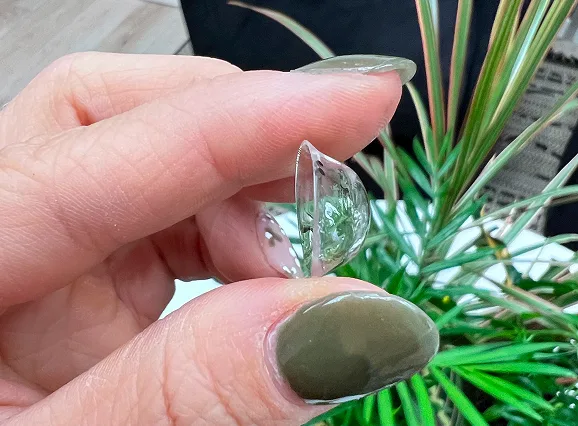
Scleral lenses are larger specialty lenses that vault completely over the cornea and rest on the sclera, the white part of the eye. A fluid reservoir remains beneath the lens, providing both optical correction and continuous hydration.
Many patients searching for custom scleral lenses Charlotte are interested in this option because it combines excellent vision correction with exceptional comfort.
Scleral lenses are frequently used for:
- Keratoconus
- Severe dry eye disease
- Corneal scarring
- Post-LASIK complications
- Complex corneal irregularities

Vision Quality: GP vs Scleral Lenses
Both lens types can provide excellent visual outcomes. However, scleral lenses often deliver more consistent vision because they remain stable throughout the day.
GP lenses may occasionally shift during blinking, which can affect visual stability in some patients. Scleral lenses generally minimize this issue due to their larger size and secure positioning.
Comfort Differences
Comfort is one of the biggest reasons many patients transition from GP lenses to scleral lenses.
Because GP lenses rest directly on the cornea, some individuals experience:
- Lens awareness
- Irritation during windy conditions
- Discomfort after extended wear
Scleral lenses avoid direct corneal contact and maintain a fluid cushion between the lens and the eye, often resulting in improved comfort.
Dry Eye Considerations
For patients with moderate to severe dry eye, scleral lenses are usually the preferred choice.
The fluid reservoir beneath the lens helps:
- Keep the eye hydrated
- Reduce irritation
- Improve comfort throughout the day
- Protect sensitive ocular tissue
This is one reason providers offering scleral lenses Lake Norman, scleral lenses Fort Mill, and scleral lenses Hickory frequently recommend scleral designs for patients struggling with both vision and dryness.
Which Patients May Benefit Most From GP Lenses?
GP lenses may be a good option for:
- Mild keratoconus
- Patients seeking a smaller lens design
- Individuals who have successfully worn GP lenses for years
- Cases where corneal irregularity is less severe
They remain an effective specialty lens option for many patients.
Which Patients May Benefit Most From Scleral Lenses?
Scleral lenses are often preferred when patients need:
- Maximum comfort
- Advanced keratoconus management
- Dry eye relief
- Post-surgical vision correction
- Greater lens stability
Advances in technology have made scleral lenses one of the most versatile specialty lens options available today.

The Importance of a Professional Evaluation
Choosing between GP and scleral lenses depends on several factors, including corneal shape, eye health, comfort needs, and lifestyle preferences.
A comprehensive specialty lens evaluation can help determine which option is most appropriate. With modern fitting technology and personalized care, patients can achieve clearer vision and improved quality of life regardless of which lens type is selected.
Frequently Asked Questions
Are GP lenses and scleral lenses made from the same material?
Both lens types are typically made from highly oxygen-permeable materials, but their designs and fitting methods are significantly different.
Which provides better comfort: GP lenses or scleral lenses?
Many patients find scleral lenses more comfortable because they rest on the sclera rather than directly on the cornea.
Are scleral lenses better for keratoconus?
For moderate to advanced keratoconus, scleral lenses often provide greater comfort and visual stability. However, GP lenses can still be effective in certain cases.
Can scleral lenses help dry eye symptoms?
Yes. The fluid reservoir beneath the lens helps keep the eye hydrated and can provide significant relief for patients with dry eye disease.
Do GP lenses provide sharper vision?
Both lens types can provide excellent vision. The best choice depends on the patient’s eye condition and how well the lens fits.
How long do specialty lenses last?
With proper care, GP and scleral lenses can often last several years, although replacement may eventually be necessary due to prescription or eye health changes.
How do I know which lens is right for me?
A specialty contact lens evaluation is the best way to determine whether GP or scleral lenses are the most appropriate option for your eyes.
Looking for Clearer, More Comfortable Vision?
Whether you suffer from keratoconus, post-surgical corneal irregularities, severe dry eye, or are seeking pediatric myopia control, our doctors have the diagnostic technology and expertise to find the right solution for your eyes.